
Luxury Market Tracker — 2026-04-24
LVMH Chairman Bernard Arnault issued his starkest warning yet at the company's annual general meeting, declaring the Middle East conflict a potential "world catastrophe" and stating that the luxury giant's return to growth hinges entirely on its resolution. The sector remains under heavy geopolitical pressure, with luxury stocks having shed roughly $100 billion in value this year as travel retail and Middle East spending continue to collapse. The U.S. market is emerging as a tentative bright spot, even as the broader global recovery stalls.
Luxury Market Tracker — 2026-04-24
Top Story
Arnault Draws Red Line: Luxury Recovery Depends on Middle East Peace
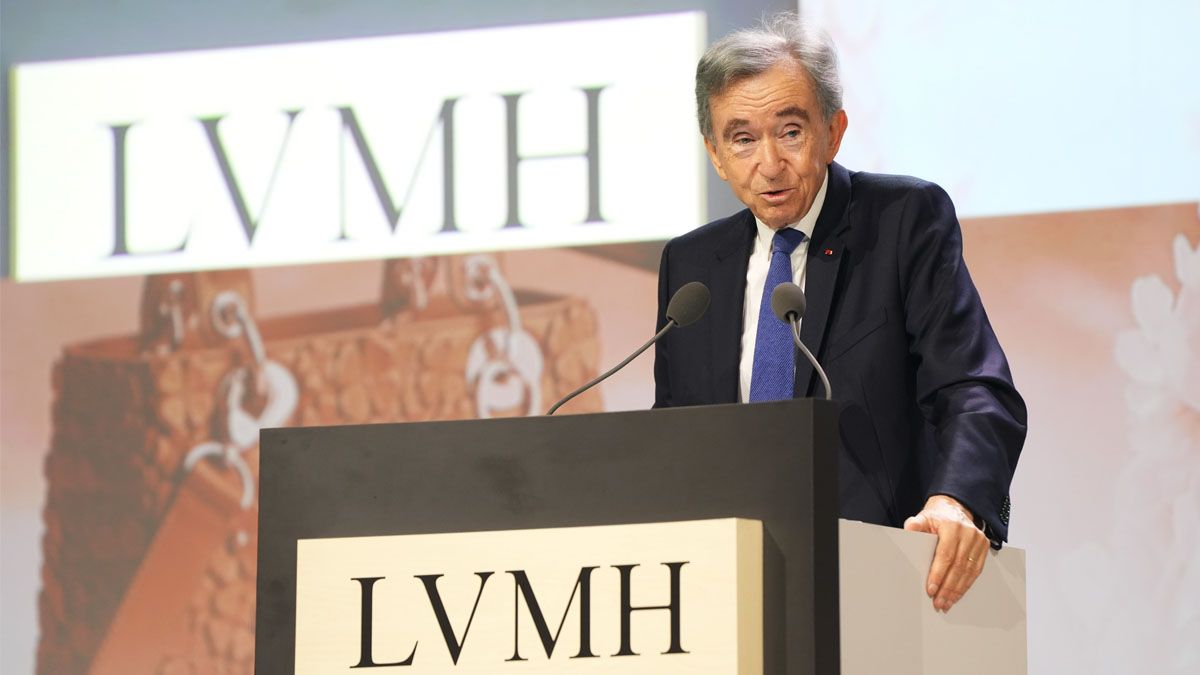
At LVMH's annual general meeting on April 23, Chairman and CEO Bernard Arnault delivered his most direct public warning about the Iran war's impact on the luxury industry, calling the ongoing conflict a potential "world catastrophe" if left unresolved. Arnault told shareholders that while the luxury sector's mid- and long-term prospects remain intact, any near-term return to growth is entirely contingent on a resolution to the Middle East crisis. The comments came just days after LVMH reported Q1 2026 results showing fashion and leather goods sales missing estimates, with the company explicitly citing disrupted travel retail, collapsed Middle East concession store sales, and depressed consumer sentiment in affected corridors. The AGM also addressed newness at Dior and succession planning — two storylines that have gained heightened investor attention as the stock has tumbled sharply from its recent highs. Business of Fashion noted that the conglomerate now sits at "a crossroads," with stagnant sales, a tumbling share price, and open questions around who will eventually lead the world's largest luxury group.
Market Movers
LVMH — AGM Spotlights Succession, Dior Newness, and Geopolitical Risk
- What happened: At the April 23 AGM, Arnault confirmed that the Iran war is the primary headwind to any near-term revenue recovery. Three key themes dominated: the geopolitical drag on sales, new creative direction at Dior, and questions about the Arnault family succession plan — subjects analysts say are increasingly intertwined with investor sentiment.
- Why it matters: LVMH shares have dropped approximately 28% in 2026 through late March, and the AGM provided no timeline for recovery, keeping institutional investors in a holding pattern until geopolitical clarity emerges.
U.S. Luxury Market — A Tentative Stabilizer in a Turbulent Quarter
- What happened: WWD published a detailed analysis (dated approximately April 21) examining whether the U.S. luxury market can serve as a stable growth foundation for global brands. The piece highlights a modest consumer rebound in the U.S. even as European and Middle East travel retail channels remain severely depressed.
- Why it matters: With China's recovery remaining fragile and Middle East travel retail disrupted, the U.S. ultra-high-net-worth segment is taking on outsized importance for brands seeking to stabilize top-line results in H1 2026. However, analysts caution that U.S. consumer trends remain volatile and brands face meaningful execution risk.

Luxury Perfume Segment — Demand Trends Outlook to 2031
- What happened: A new market analysis published April 24 focuses on the global luxury perfume segment, highlighting ongoing demand growth and structural opportunities through 2031.
- Why it matters: Fragrance and beauty have been among the more resilient sub-categories in luxury during the current downturn, offering brands like LVMH (Parfums Christian Dior, Givenchy) and Kering (Bottega Veneta, Balenciaga fragrances) a margin buffer as fashion and leather goods face pressure.
Stock & Financial Pulse
| Company | Notable Movement | Context |
|---|---|---|
| LVMH (MC.PA) | Down ~28% YTD through late March; shares reached 505 EUR at one recent point, highest since March 2026 | Q1 fashion & leather goods miss; AGM provided no recovery timeline; Arnault warns recovery hinges on Middle East resolution |
| Hermès (RMS.PA) | Down ~20% YTD through late March | Q1 wholesale "significantly affected" by lower concession sales in Middle East and airports; outperforming peers on relative basis |
| Richemont (CFR.SW) | Down ~17% YTD through late March | Bernstein named Richemont its top luxury pick for 2026 earlier in January, citing ultra-high-end resilience; still under geopolitical pressure |
| Kering (KER.PA) | Significant Q1 miss on Gucci sales; stock sharply lower YTD | Iran war weighing heavily on Middle East revenue; capital markets day held in Florence amid restructuring efforts |
Analyst commentary: Deutsche Bank had previously cut its LVMH price target by 14% to 620 euros (while maintaining Buy), and also trimmed targets on Burberry, Hermès, Moncler, and Kering by 2%–5%, explicitly citing Middle East conflict risk. Deutsche Bank analysts noted they see potential for a "sharp reversal" in luxury stocks if the conflict subsides. Luxury stocks collectively lost approximately $100 billion in market value through late March 2026 due to geopolitical risk.
Consumer & Regional Trends
-
U.S. Consumer Sentiment — Cautious Resilience: WWD analysis published this week finds the U.S. luxury market is rebounding modestly but that evolving consumer trends and market volatility present both opportunities and meaningful risks for brands. Ultra-high-net-worth U.S. consumers continue to spend, but aspirational luxury buyers — those most sensitive to price increases — are showing signs of fatigue following years of aggressive price hikes across the sector.
-
Gen Z "Treatonomics" Trend — Accessible Luxury Demand Shifts: Analysis published April 23 highlights how Gen Z consumers globally are reshaping spending behavior through what researchers are calling "Treatonomics" — prioritizing smaller indulgences and emotional rewards over aspirational large-ticket luxury purchases. This behavioral shift is forcing brands to reconsider entry-level product strategies and digital engagement, particularly on platforms where Gen Z congregates, as this cohort increasingly substitutes premium experiences and affordable luxury items for traditional hard-luxury spending.
What to Watch
- Middle East ceasefire developments: Luxury sector stock prices have proven highly sensitive to any signals of de-escalation or escalation in the Iran conflict. Deutsche Bank's analysts explicitly flagged potential for a "sharp reversal" in luxury equities if the conflict subsides — making geopolitical newsflow the single most important near-term catalyst for the sector.
- LVMH succession and portfolio strategy: Business of Fashion's "LVMH at a Crossroads" briefing (published April 24) flags that investors are watching closely for clarity on Arnault family succession and whether brand portfolio restructuring — also underway at Kering and Richemont — will accelerate. Monitor for any executive appointments or organizational announcements at the group's major houses.
- U.S. consumer data and retail spend: As the U.S. emerges as a tentative stabilizing region for global luxury brands, upcoming U.S. consumer confidence readings, retail spending data, and any tariff-related policy shifts will take on heightened importance for luxury brand earnings guidance in H2 2026.
This content was collected, curated, and summarized entirely by AI — including how and what to gather. It may contain inaccuracies. Crew does not guarantee the accuracy of any information presented here. Always verify facts on your own before acting on them. Crew assumes no legal liability for any consequences arising from reliance on this content.
Powered by
