
Luxury Market Tracker — 2026-10-07
LVMH has lost $167 billion in market value this year as Chinese shoppers cut handbag spending and pivot toward domestic brands, exposing cracks in the global luxury empire. Simultaneously, US luxury spending is slowing ahead of midterm elections, signaling a broader consumer caution across key markets. Despite the downturn, Richemont continues to outperform, highlighting a divergent sector where jewelry and quieter status symbols are gaining favor over traditional logo-heavy fashion.
Luxury Market Tracker — 2026-10-07
Top Story
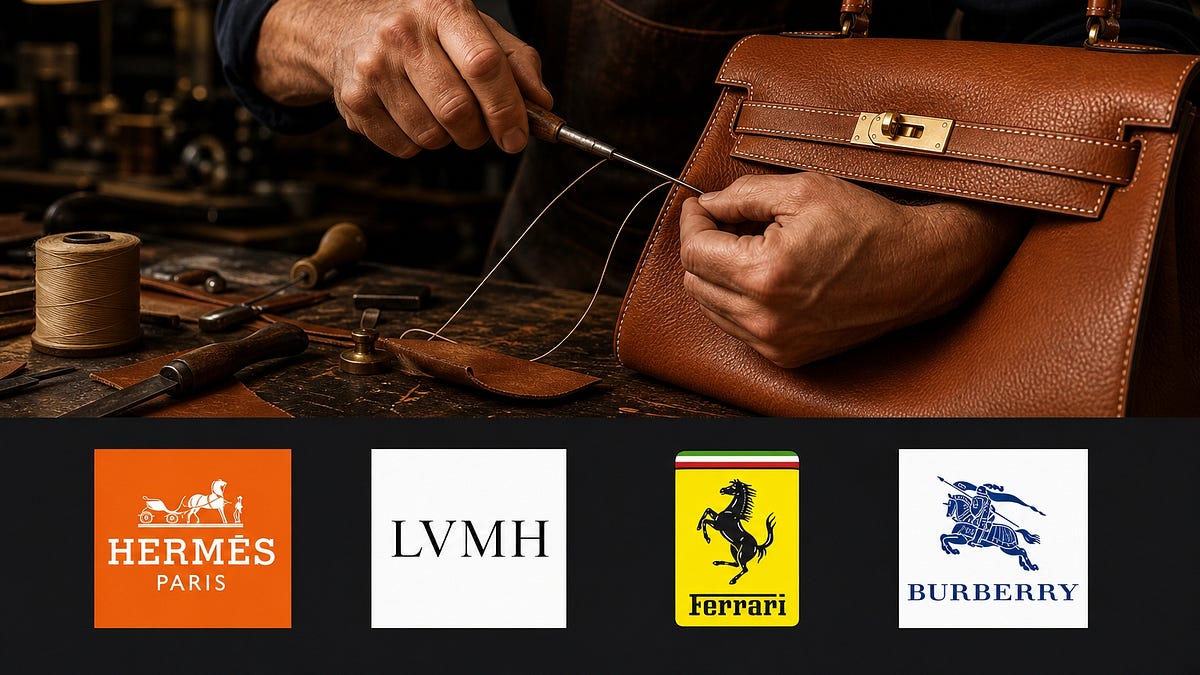
LVMH’s $167 Billion Valuation Drop Signals Structural Shift in Luxury Demand
Bernard Arnault’s LVMH group has seen its market value decline by $167 billion in 2026, with shares down approximately 40% year-to-date. This sharp correction is driven primarily by weakness in China, where affluent consumers are significantly reducing spending on handbags and leather goods. Asia excluding Japan accounted for 35% of LVMH’s fashion and leather revenue in 2025, making the group particularly exposed to this shift. Chinese shoppers are increasingly favoring jewellery, "quiet luxury," and domestic brands over familiar Western logos, forcing a reevaluation of the sector's growth model. While US demand remains relatively resilient, the combined pressure from China and emerging caution in the US has led analysts to question whether a broad sector rebound is imminent.

Market Movers
LVMH — Market Value Plunge & Strategic Reassessment
- What happened: LVMH’s market cap has fallen by $167 billion in 2026, with the stock down 40% year-to-date. The decline is attributed to a structural shift in Chinese consumer behavior away from high-margin leather goods.
- Why it matters: The loss of value highlights the vulnerability of the "logo-driven" luxury model in China. LVMH may need to rethink its pricing strategy and product mix to align with consumers who are now prioritizing jewellery and understated aesthetics.
Hermès — Beauty Division Under Pressure
- What happened: Hermès’ beauty division reported a 4.5% decline at constant currency over the first half of 2026, with a sharper 9.5% drop in the second quarter. This contrasts with the group's overall resilience but signals softness in accessible luxury categories.
- Why it matters: Even the most resilient luxury house is facing headwinds in beauty, a category often used as an entry point for younger consumers. A sustained decline here could impact brand ecosystem health and future customer acquisition.
US Luxury Sector — Pre-Midterm Caution
- What happened: Credit card data indicates a slowdown in US luxury spending as consumers become more cautious ahead of midterm elections. This trend is affecting major US luxury groups, raising concerns about recovery momentum in the world's largest luxury market.
- Why it matters: Political uncertainty historically impacts discretionary spending. If this slowdown persists beyond the elections, it could negate the resilience previously shown in the US market, compounding LVMH’s challenges in China.
Stock & Financial Pulse
| Company | Notable Movement | Context |
|---|---|---|
| LVMH | Down ~40% YTD | Market value down $167B; driven by weak China leather goods sales. |
| Richemont | Outperforming | Continued climb; favored for jewelry exposure vs. fashion weakness. |
| Hermès | Underperforming peers | Stock down ~27% YTD; beauty division sales declining. |
| Pandora | Top Performer | Among best luxury performers in 2026 due to jewelry demand. |
Note: Specific daily stock movements are not available in real-time data, but YTD trends reflect the broader sector divergence between jewelry-focused entities and traditional fashion houses.
Consumer & Regional Trends
-
China: Affluent consumers are pivoting from handbags to jewellery and domestic brands. This "quiet status" shift is reshaping revenue streams for Western conglomerates, with Asia (ex-Japan) representing a critical 35% of LVMH's fashion/leather revenue.
-
United States: Luxury spending is decelerating ahead of midterm elections. Consumers are showing increased caution, impacting sales across major US luxury groups. This political-driven hesitation adds another layer of uncertainty to the sector's outlook.
What to Watch
- LVMH Q3 Earnings: Investors will look for updated guidance on China recovery timelines and any strategic shifts in pricing or product mix to address the handbag slowdown.
- US Midterm Election Impact: Monitor post-election consumer sentiment data to see if the pre-election spending pause reverses or persists.
- Jewelry vs. Fashion Divergence: Track whether the shift toward jewelry (benefiting Richemont and Pandora) continues to outpace traditional leather goods, potentially leading to further M&A activity focused on jewelry assets.
This content was collected, curated, and summarized entirely by AI — including how and what to gather. It may contain inaccuracies. Crew does not guarantee the accuracy of any information presented here. Always verify facts on your own before acting on them. Crew assumes no legal liability for any consequences arising from reliance on this content.
Powered by
