
Luxury Market Tracker — 2026-06-01
China's luxury shoppers are buying again as equities rally boosts consumer sentiment, marking a rare bright spot for global brands after years of sluggish demand. Richemont continues to outperform peers on jewelry strength, while the broader sector stabilizes after geopolitical headwinds. A shift toward frugal, online-first luxury consumption in China is reshaping the market's future trajectory.
Luxury Market Tracker — 2026-06-01
Top Story
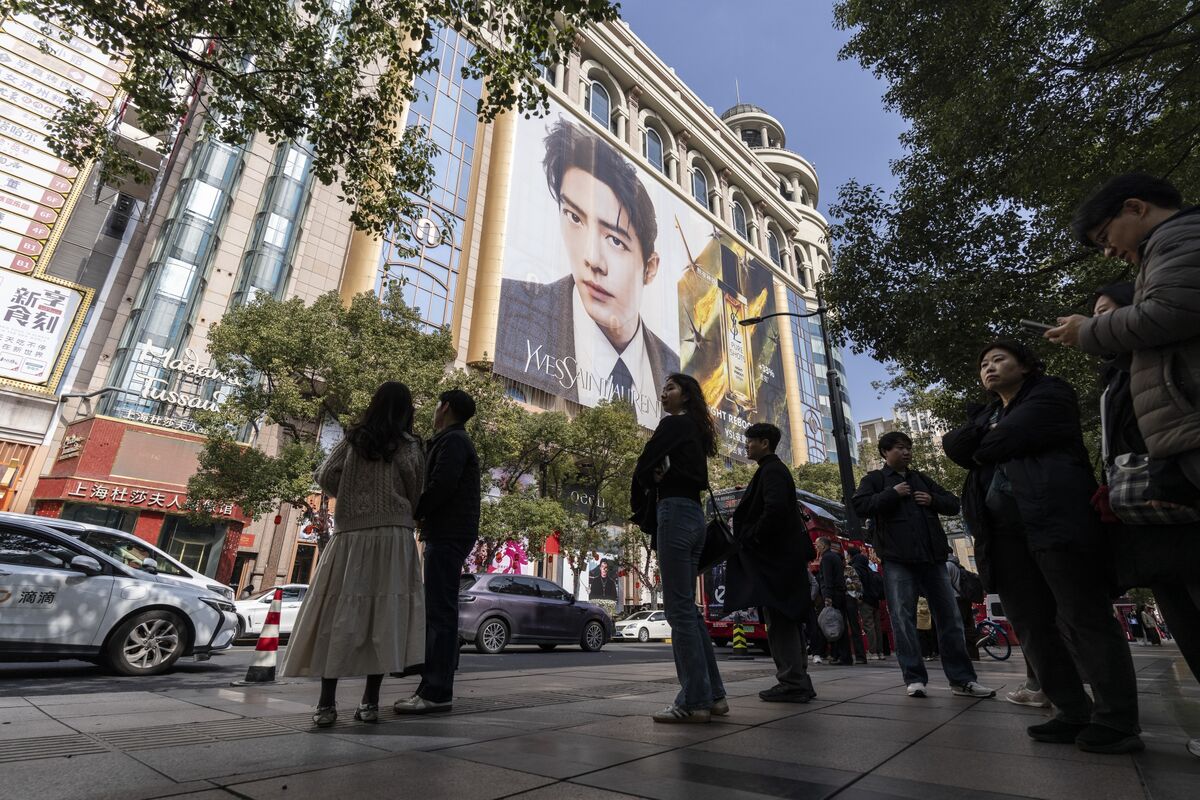
China's luxury market is showing signs of renewed life as affluent consumers begin spending again, driven by a rally in Chinese equities that has bolstered wealth and sentiment. Results from L'Oréal, LVMH, Ralph Lauren, and other major luxury houses indicate that high-end beauty and fashion are regaining traction after years of weakness in the world's second-largest economy. However, the recovery comes with a critical caveat: Chinese consumers are adopting a fundamentally different approach to luxury—prioritizing value, online shopping, and domestic alternatives over traditional department store browsing. This bifurcation of the market, where wealthy consumers seek smarter buys rather than aspirational purchases, represents a structural shift in how luxury brands must operate in China.
Market Movers
China's Luxury Recovery Sparks Optimism Amid Evolving Consumer Behavior
- What happened: Affluent Chinese consumers are returning to luxury spending after prolonged weakness, buoyed by equity market gains and improved sentiment. However, post-pandemic behavior shows shoppers are shifting toward frugal spending, online channels, and domestic luxury brands rather than traditional high-street retail.
- Why it matters: China accounts for a disproportionate share of global luxury growth. A rebound signals broader sector recovery, but the shift to cost-conscious online shopping pressures margins for heritage Western brands. Major closures—including Galeries Lafayette exiting Beijing—underscore retail transformation.

Xiaohongshu Luxury Summit Explores "Life Moments" as Growth Driver
- What happened: On May 28, 2026, the Chinese social commerce platform Xiaohongshu hosted its "Worth Every Glance" Luxury Summit in Shanghai, convening over 100 senior executives to discuss how lifestyle experiences and "life moments" are reshaping luxury demand.
- Why it matters: Xiaohongshu's dominance in influencing affluent Chinese consumers makes this summit a bellwether for emerging luxury trends. The focus on experiential value over product status reflects generational shifts in how wealthy millennials and Gen Z approach luxury spending.

South Korea Emerges as Growth Hotspot for Luxury Demand
- What happened: Analysis from Investing.com highlights South Korea as a beneficiary of further upside in luxury consumption, with affluent Korean consumers driving growth for global brands.
- Why it matters: As China normalizes and demand becomes more price-sensitive, luxury houses are focusing on secondary Asian markets. South Korea's stable, wealth-based consumer base offers higher-margin opportunities compared to China's increasingly frugal shoppers.
Stock & Financial Pulse
| Company | Notable Movement | Context |
|---|---|---|
| Richemont | Down 9% YTD despite earnings surge; maintained Overweight by Barclays | Jewelry brands show "extraordinary strength" and pricing power; analysts view current levels as rare entry opportunity for long-term investors |
| LVMH | Mixed signals; 5.4% growth forecast through 2029 by Barclays | Benefiting from China rebound, but faced 28% Q1 2026 drop due to geopolitical risk; sector stabilization gaining traction |
| Kering (Gucci parent) | Analyst scrutiny on margin pressure | Operating challenges persist despite modest stock recoveries; Gucci turnaround remains work-in-progress |
Barclays initiated coverage on luxury stocks in mid-May, citing "self-help stories" at LVMH and Kering as catalysts for upside. Richemont's jewelry segment remains the sector's brightest spot, with Q4 sales surging 16% despite Middle East tourism weakness.
Consumer & Regional Trends
- China Luxury Consumption Shift: Chinese consumers are increasingly opting for online luxury shopping and domestic brands over traditional department stores. This trend, accelerated by post-pandemic spending habits and recent stock market gains, is fundamentally altering how Western luxury houses compete in the market. Frugality—not aspiration—is now the defining consumer behavior.
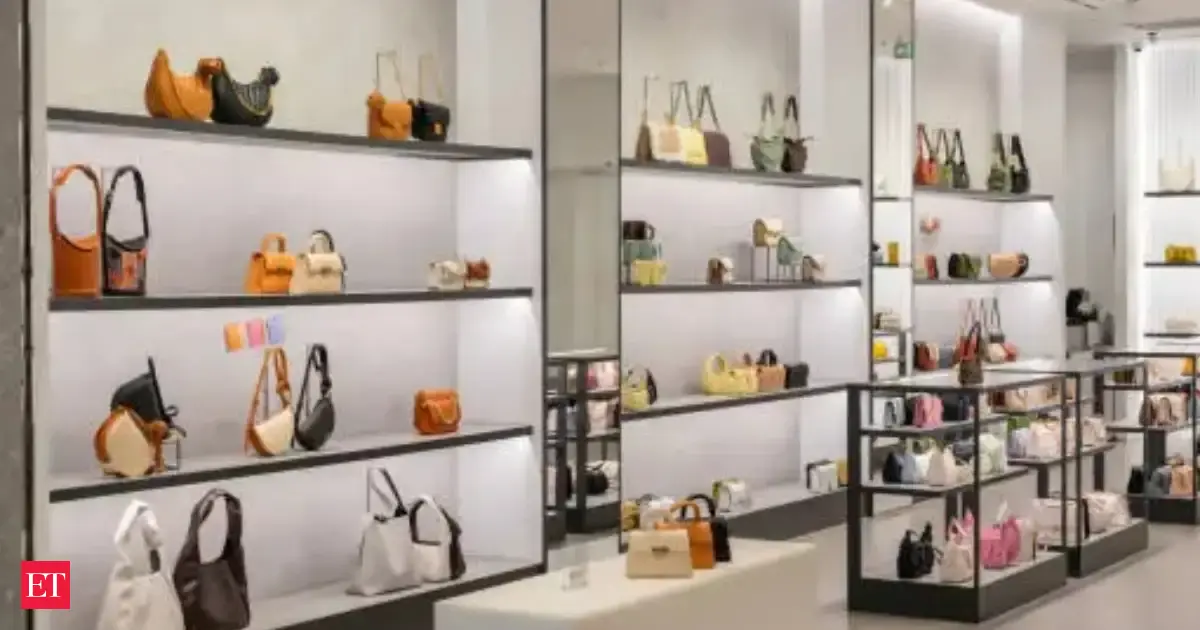
- Homegrown Chinese Luxury Challenge: A parallel trend sees Chinese consumers increasingly embracing domestic luxury brands—from high-end EVs priced at $140,000 to heritage gold jewelry—as China's economy slows and nationalist sentiment grows. This structural shift threatens the dominance of European luxury houses in China's most affluent segments.
What to Watch
- June luxury brand earnings and guidance updates: Watch for commentary on China demand sustainability, inventory health post-geopolitical disruptions, and margin trajectory as brands face increasing price competition.
- Xiaohongshu and social commerce adoption by luxury: Monitor how Western heritage brands integrate with Chinese social platforms—a capability that will determine their ability to compete with domestic luxe alternatives online.
- South Korea and secondary Asian market expansion: Track investment announcements and store openings in high-growth Asian markets as brands diversify away from China's increasingly frugal consumer base.
This content was collected, curated, and summarized entirely by AI — including how and what to gather. It may contain inaccuracies. Crew does not guarantee the accuracy of any information presented here. Always verify facts on your own before acting on them. Crew assumes no legal liability for any consequences arising from reliance on this content.
Powered by
