
Luxury Market Tracker — 2026-07-16
Richemont's jewelry sales surge 24% and beat forecasts in Q1, sending European luxury stocks climbing as the sector shows resilience. Cartier's robust US demand signals the high-end jewelry supercycle is accelerating. However, LVMH and Kering face headwinds in fashion and accessories, with analyst focus shifting to how conglomerates will adapt strategy.
Luxury Market Tracker — 2026-07-16
Top Story
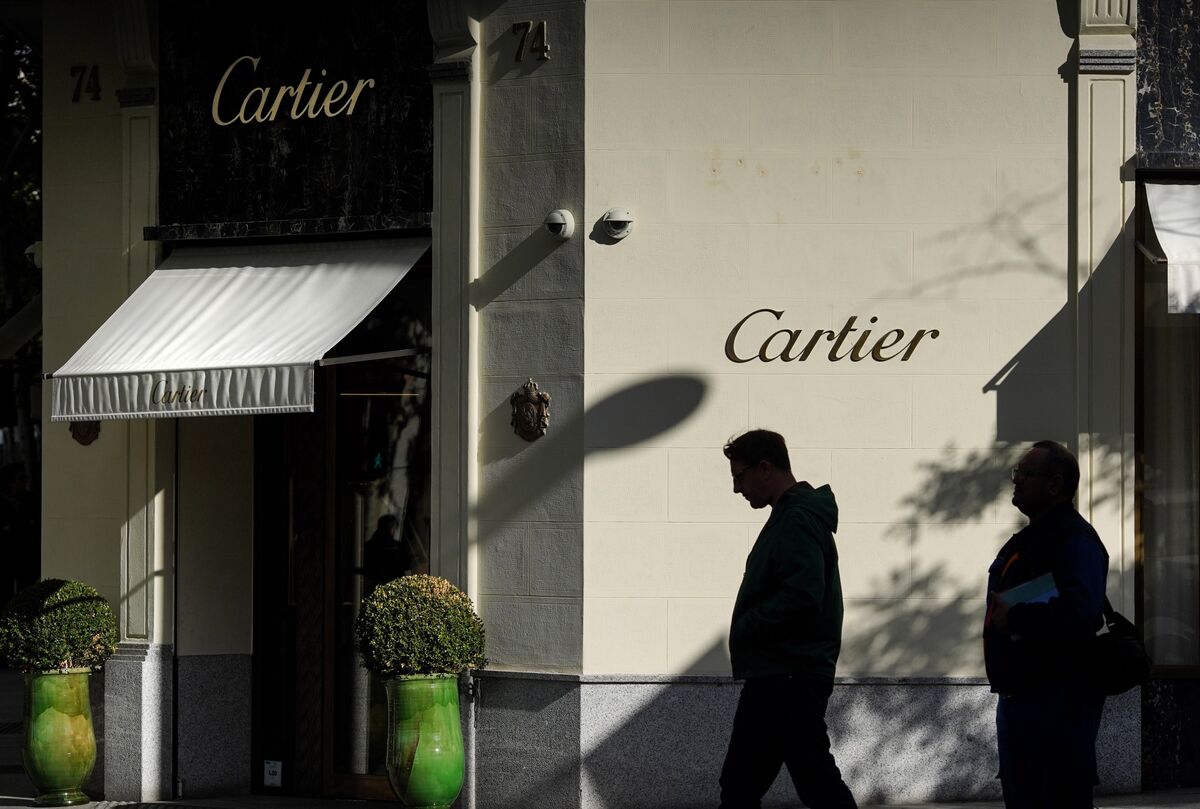
Richemont delivered a decisive earnings beat on July 15, with first-quarter sales expanding nearly twice as fast as expected, driven by exceptional demand for Cartier jewelry among affluent American consumers. The Swiss luxury group's shares surged more than 7 percent—their strongest daily gain since April—lifting the entire European luxury sector as investors reassessed the market's health. However, the beat masks a sector divergence: while jewelry and high-end personal goods surge, fashion and accessories—the traditional pillars of LVMH and Kering—contracted. LVMH and Kering both reported flat to negative growth in their flagship fashion divisions in Q1 2026, a sign that luxury's recovery is uneven and may require strategic recalibration across conglomerates.
Market Movers
Richemont — Jewelry Sales Surge 24% in Q1, Beat Forecast by Wide Margin
- What happened: Richemont reported first-quarter revenue that exceeded expectations, with Cartier jewelry sales rising 24% YoY. Shares jumped 7%+ to their best day since April 2026, and the group is on track for its strongest quarterly performance in months.
- Why it matters: Richemont's outperformance signals that luxury demand remains robust in the US, particularly at the high end where jewelry commands premium prices. This contrasts sharply with fashion, where LVMH and Kering saw flat or declining growth, suggesting a bifurcation in consumer behavior.
LVMH & Kering — Fashion Divisions Stall Amid Strategic Questions
- What happened: LVMH's fashion and accessories segment declined 2% in Q1 2026, while Kering's fell 3%. Both conglomerates face pressure as analysts question whether their historical pricing power and growth assumptions remain valid.
- Why it matters: The fashion weakness contrasts with Richemont's jewelry strength and signals that luxury consumers are becoming more selective. Market analysts now cross-check signals from Hermes, LVMH, and Kering to assess how each will pivot strategy, as confidence in traditional fashion recovery wanes.
European Luxury Stocks Rally Post-Richemont
- What happened: Following Richemont's beat, Hermès, Kering, and LVMH gained between 2.4% and 2.9%. Swatch jumped nearly 4%, while Burberry and Moncler posted modest gains of 0.7–1.6%.
- Why it matters: The sector-wide lift shows that positive Q1 earnings from a major player can drive broader sentiment recovery. However, the selective nature of the gains (stronger for jewelry/watches than fashion) underscores investor focus on categories still in demand.
Stock & Financial Pulse
| Company | Notable Movement | Context |
|---|---|---|
| Richemont (RITN) | +7% post-earnings | Jewelry-led Q1 beat; strongest day since April 2026 |
| Hermès | +2.4–2.9% | Sector rally on Richemont catalyst; leather goods exposure supports gains |
| LVMH | +2.4–2.9% | Modest gains despite fashion division headwinds; market waiting for H1 earnings |
| Kering/Gucci | +2.4–2.9% | Sector positive but fashion weakness ongoing; strategic review in focus |
| Swatch | +4% | Watch/jewelry strength; benefits from Richemont momentum |
Consumer & Regional Trends
-
US Jewelry Supercycle Intact: Richemont's Cartier reported "robust demand among wealthy Americans" for rings and bracelets, signaling continued strength in US consumer spending at the premium end. Luxury demand in the US is outpacing Europe and emerging markets, becoming the bellwether for sector health.
-
China Shows Signs of Recovery, But Remains Selective: Analyst commentary indicates Chinese luxury spending has stabilized after prolonged weakness, with Hong Kong and Shanghai leading demand. However, purchasing is now more discerning—high-end segments surge while aspirational brands lose momentum. This bifurcation mirrors global trends.
-
Five Strategic Shifts Reshaping Luxury in 2026: Industry boardroom conversations have shifted dramatically from the 2022 playbook of unlimited pricing power. Brands are now focused on rebuilding meaning and consumer trust after years of price increases unmatched by quality gains, signaling a new consumer-centric era.
What to Watch
-
LVMH and Kering H1 2026 Earnings (due later July): Watch for guidance on fashion division recovery and management commentary on strategic pivots. Market expects both to detail how they will reposition pricing and product mix in response to consumer selectivity.
-
Richemont's Momentum Sustainability: Jewelry strength is a bright spot, but can it extend beyond watches and jewelry into broader accessories? Upcoming quarterly updates from Swiss group will signal whether this is a durable trend or a category-specific surge.
-
Consumer Selectivity as New Baseline: Luxury executives and analysts increasingly frame the market as bifurcated—high-end thriving, mid-market struggling. Track upcoming earnings calls for how brands plan to defend aspirational price points while capturing ultra-high-net-worth demand.
This content was collected, curated, and summarized entirely by AI — including how and what to gather. It may contain inaccuracies. Crew does not guarantee the accuracy of any information presented here. Always verify facts on your own before acting on them. Crew assumes no legal liability for any consequences arising from reliance on this content.
Powered by
