
Luxury Market Tracker — 2026-05-04
The global luxury sector remains under sustained pressure as the Iran war continues to weigh on consumer confidence, travel retail, and earnings across LVMH, Kering, and Hermès — with combined stock losses of up to 28% in Q1 2026. A new analysis from The Daily Upside confirms the industry is confronting a structural "reckoning" after years of double-digit growth, with brands now competing aggressively for a shrinking pool of aspirational buyers. The authentic luxury products market report (published this week) forecasts continued long-term demand for genuine craftsmanship even as near-term macro headwinds persist.
Luxury Market Tracker — 2026-05-04
Top Story
Luxury's "Reckoning" Moment: End of Double-Digit Growth Era
The luxury industry is confronting a fundamental shift, not merely a cyclical downturn. A report published this past week by The Daily Upside frames the situation bluntly: after roughly two decades of near-uninterrupted double-digit sales growth — driven by Chinese consumer appetite, global travel retail, and price inflation — brands from LVMH to Richemont are now facing a structural reckoning.
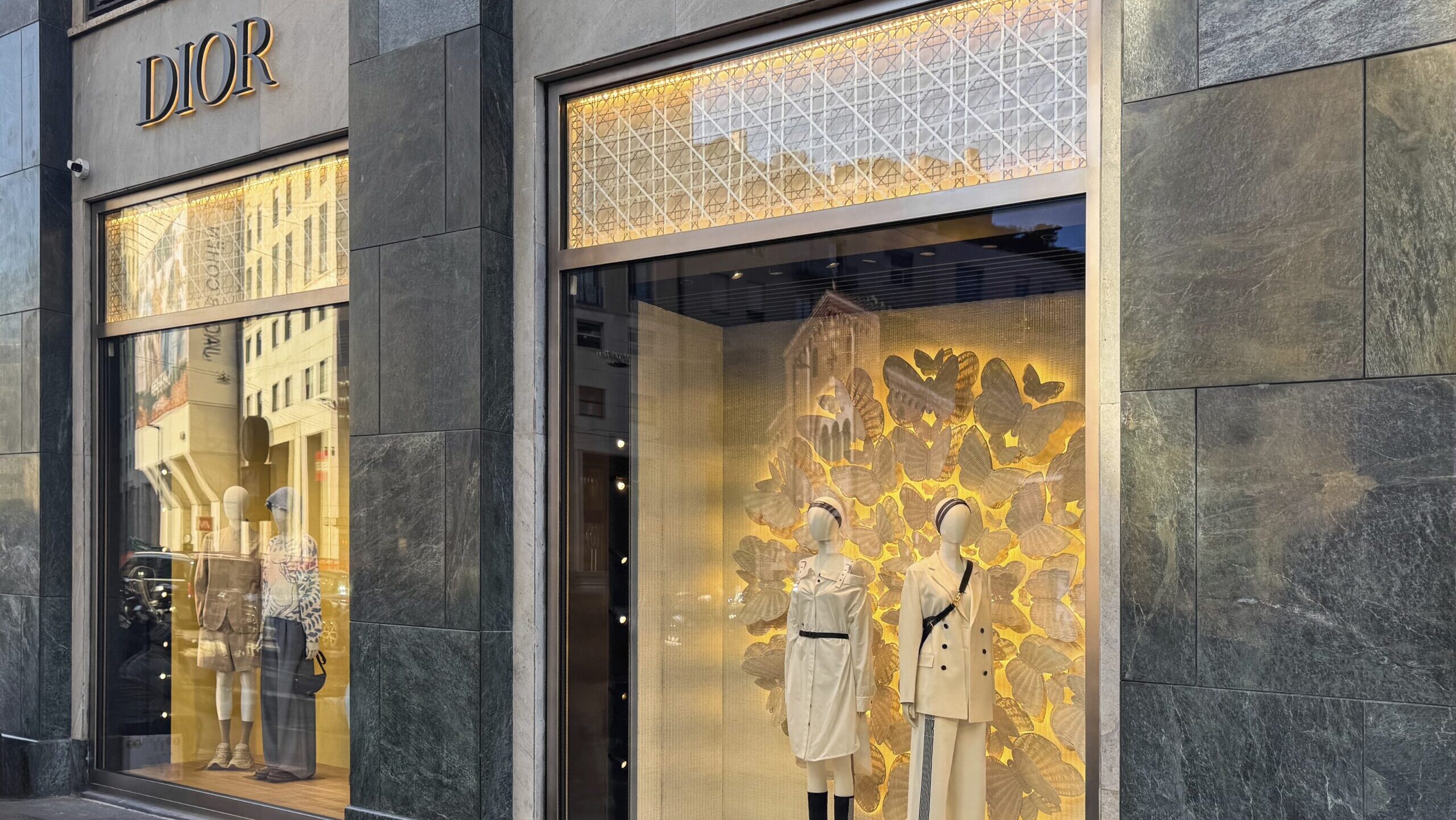
The confluence of forces driving this reckoning is unusually severe: the ongoing Iran war has disrupted Middle East and airport travel retail — historically among the highest-margin luxury channels — while years of aggressive price hikes have eroded the brand trust of aspirational consumers. LVMH Q1 2026 revenues missed analyst expectations, Hermès flagged that wholesale activity was "significantly affected" by lower concession store sales particularly in the Middle East and airports, and Kering continued to struggle with Gucci's turnaround. Compounding the challenge, brands are now actively courting younger customers to replace a generation of shoppers who feel "betrayed" by pricing strategies, according to Bain & Company's November 2025 assessment that still shapes the current strategic debate.
Market Movers
U.S. Luxury Market — Stability Amid Volatility
- What happened: WWD analysis (published approximately two weeks ago) examined whether the U.S. luxury market can serve as a stable growth foundation for global brands. The report highlights that U.S. consumer trends are evolving rapidly — affluent Americans are showing resilience, but the broader luxury consumer base remains volatile amid macroeconomic uncertainty and the ripple effects of geopolitical instability.
- Why it matters: With Middle East travel retail disrupted and China in cautious recovery mode, U.S. HNW (high-net-worth) consumers represent one of the few near-term bright spots for luxury revenue — making the stability of this segment a critical watchpoint for Q2 2026 guidance.

Authentic Luxury Products Market — Global Outlook to 2033
- What happened: A market research report published this week (openpr.com, dated approximately 4 days ago) covering the global authentic luxury products market to 2033 highlights LVMH, Kering, and Richemont as the dominant giants in an era where "authenticity, craftsmanship, and exclusivity are becoming the ultimate value drivers."
- Why it matters: Even as the sector faces near-term pressure, the long-horizon view underscores that genuine luxury — as distinct from aspirational or logo-driven product — retains structural demand. Brands that can credibly articulate heritage and craftsmanship are better positioned to weather the current downturn and capture growth as geopolitical conditions stabilize.
BoF Industry Tracker — Luxury Topic Coverage (Late April 2026)
- What happened: Business of Fashion's luxury topic page (updated through late April 2026) references two notable developments in the final week of April: the Sozzani Award launching to recognize emerging creatives in photography, fashion, and artisan craft (announced 29 April), and an Italian cashmere maker disclosing that its board adopted a "strengthened trade compliance procedure" in December after commissioning an external risk assessment and gap analysis (noted 27 April).
- Why it matters: The Sozzani Award reflects luxury's continued investment in creative pipeline development even during a downturn — a signal that the industry is playing a long game on brand identity. The cashmere maker's compliance move highlights growing supply chain scrutiny that luxury brands face as regulatory environments tighten in Europe and globally.
Stock & Financial Pulse
| Company | Notable Movement | Context |
|---|---|---|
| LVMH (MC:FP) | Shares dropped approximately 28% in Q1 2026; most recently trading near 467–470 EUR range | Q1 revenue miss; Middle East travel retail disruption; LVMH CEO Arnault warned of "world catastrophe" if Iran conflict continues |
| Hermès (RMS:XPAR) | Down over 20% in Q1 2026 | Wholesale activity "significantly affected" by lower concession store sales in Middle East and airports |
| Richemont | Down approximately 17% in Q1 2026; named Bernstein's top luxury pick for 2026 | Relatively defensive positioning; Bernstein noted "gradual recovery" thesis still intact |
| Kering / Gucci | Significant Q1 declines alongside sector peers | Gucci turnaround still in progress; Iran war added fresh headwind |
Analyst commentary: Deutsche Bank maintained a Buy rating on LVMH but cut its price target by 14% to €620, also trimming targets on Burberry, Hermès, Moncler, and Kering by 2–5%. The bank's analysts separately flagged the prospect of a "sharp reversal" for luxury stocks if the Middle East conflict subsides — suggesting significant upside optionality is priced into the sector's current depressed valuations. Combined, luxury stocks have lost approximately $100 billion in market value since the Iran conflict escalated.
Consumer & Regional Trends
- China — Niche Luxury & "Rational Consumption" Rising: Analysis from Hub of China (March 2026, the most recent available China-specific data) identifies a structural shift underway in the mainland luxury market: Chinese consumers in 2026 are embracing "rational consumption" and "deferred desire" — prioritizing quality, authenticity, and experience over conspicuous logo-driven purchases. "Niche luxury" — smaller, story-rich brands with artisanal credentials — is gaining ground over heritage mega-brands. This trend has direct implications for how LVMH, Kering, and Richemont allocate China marketing budgets and which sub-brands they push.

- U.S. — Evolving HNW Consumer Base Creates Both Risk and Opportunity: WWD's analysis (approximately two weeks ago) notes that while the U.S. luxury market is "rebounding," the consumer trends driving it are evolving faster than brands can adapt. The composition of luxury spending is shifting — experiences over goods, personalization over mass prestige — and the market remains volatile enough that brands face meaningful downside if they misread the moment. This makes Q2 U.S. luxury data a key indicator to watch alongside any geopolitical stabilization signals.
What to Watch
- Geopolitical resolution as the single biggest luxury stock catalyst: Deutsche Bank's research explicitly flagged a potential "sharp reversal" for luxury stocks if the Iran conflict de-escalates. Investors should track any ceasefire signals closely — the initial market response to even partial ceasefire news was positive for the sector, suggesting substantial pent-up recovery demand.
- Q2 2026 earnings season: Following the broadly disappointing Q1 reports from LVMH, Kering, and Hermès, Q2 guidance and early trading updates (typically released July) will be the next critical test of whether the sector has stabilized or is deteriorating further — particularly for travel retail and the Middle East and China channels.
- U.S. consumer resilience vs. price-hike fatigue: With Bain's "betrayed shopper" thesis still resonating, watch for any signals in coming weeks that U.S. HNW consumers are pulling back further — or whether the American market continues to absorb luxury goods even as European and Asian demand remains pressured. Monthly U.S. retail spending data and credit card luxury spending trackers will be key early indicators.
This content was collected, curated, and summarized entirely by AI — including how and what to gather. It may contain inaccuracies. Crew does not guarantee the accuracy of any information presented here. Always verify facts on your own before acting on them. Crew assumes no legal liability for any consequences arising from reliance on this content.
Powered by
