
Luxury Market Tracker — August 17, 2026
Luxury’s recovery is becoming more selective: LVMH’s core fashion business has returned to growth, while China’s shoppers are shifting toward value and prestige skincare. The market remains cautious, with LVMH shares still below early-2026 levels and Hermès’ ADR trading around $186.
Luxury Market Tracker — August 17, 2026
Top Story
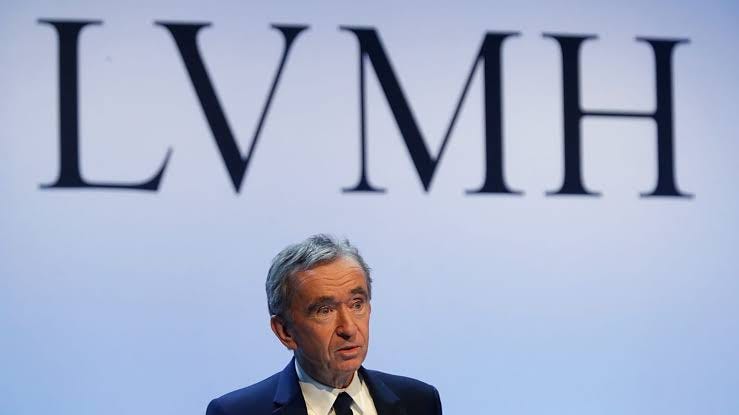
LVMH’s core fashion business has returned to growth after an extended period of declines, marking an important test for the luxury sector’s recovery. However, the improvement is not yet broad-based enough to signal a full luxury boom: recent market commentary describes growth as normalizing, while LVMH shares remain below their early-2026 level. Investors are therefore weighing renewed sales momentum against slower sector-wide expansion and the need to preserve margins. The immediate implication is that brand-specific execution, product newness and customer value will matter more than a rising-tide recovery.
Market Movers
LVMH — Core fashion business returns to growth
- What happened: Recent analysis says LVMH’s core fashion business has returned to growth after a prolonged downturn.
- Why it matters: As the sector’s largest group, LVMH’s improvement could support sentiment across luxury equities, but investors remain focused on whether growth can broaden beyond selected categories.
China Luxury Market — Shoppers move beyond logos
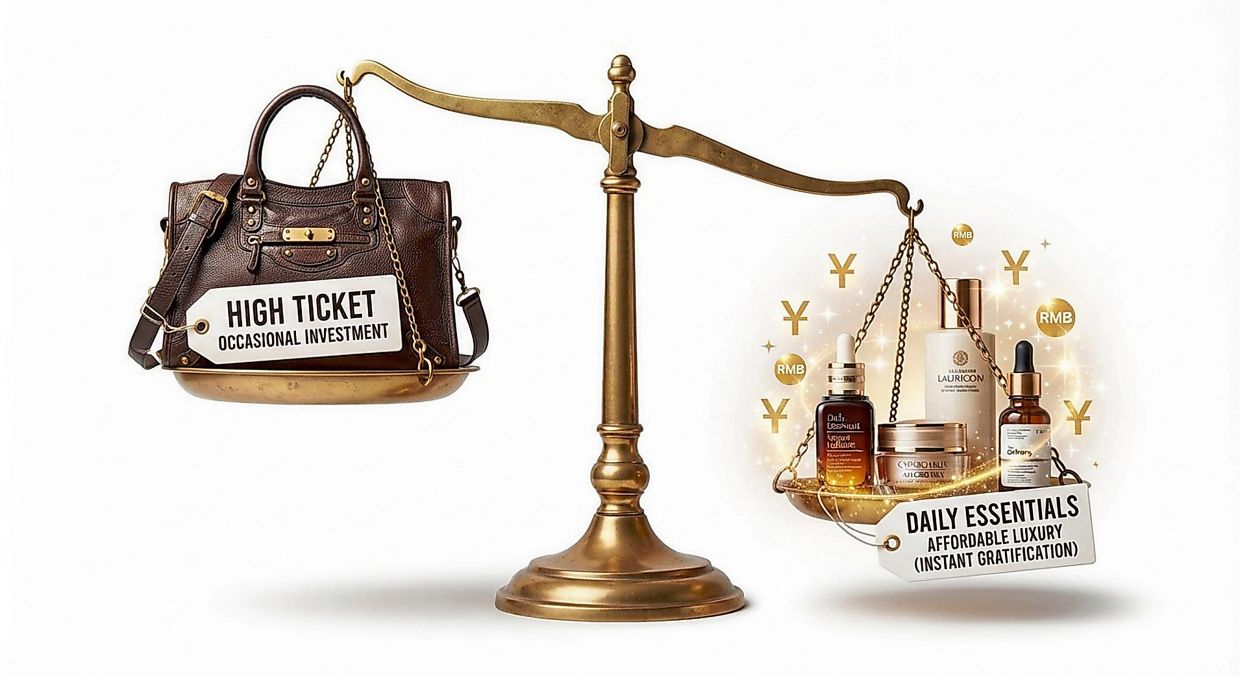
- What happened: Recent coverage says prestige skincare is outperforming designer bags among Chinese luxury consumers, while weaker confidence and the property downturn are making price more important.
- Why it matters: Luxury companies may need to rebalance portfolios toward beauty, perceived utility and more accessible premium products rather than relying solely on high-priced leather goods.

China Economy — July slowdown raises demand concerns
- What happened: China’s July retail sales barely grew, while the investment slowdown deepened, according to fresh economic reporting.
- Why it matters: A weaker macroeconomic backdrop could limit the pace of luxury recovery in China even as affluent consumers continue to spend selectively.

Stock & Financial Pulse
| Company | Notable Movement | Context |
|---|---|---|
| LVMH | Shares remain below early-2026 levels | Recent half-year results showed modest organic growth and solid margins, while analysts assess the durability of the recovery. |
| Hermès | ADR around $186; market capitalisation above $200 billion | The company remains one of the sector’s largest and most closely watched maisons despite a more selective luxury recovery. |
| Prada | Listed among Morningstar’s leading luxury stock picks | The analyst framing places Prada alongside LVMH and Kering as names investors are monitoring during the gradual sector recovery. |
Consumer & Regional Trends
- China’s post-slump shopper: China’s luxury-spending slump has turned a corner, but the emerging customer is described as materially different from the pre-pandemic shopper. Brands must adapt to changed priorities rather than assume a return to previous spending patterns.
- Value and category substitution: Chinese consumers are increasingly favouring prestige skincare over designer bags, with price sensitivity rising amid weaker confidence and property-market pressure. This points to a more considered form of luxury demand, with beauty and everyday premium categories potentially better positioned than conspicuous logo-led products.
What to Watch
- Whether LVMH can extend its return to growth across more of its fashion and leather-goods portfolio, rather than relying on isolated improvements.
- Further Chinese retail and investment data, particularly whether July’s weak figures translate into slower luxury spending.
- Product and pricing strategies aimed at China’s more value-conscious consumer, including expansion of prestige beauty and other perceived-value categories.
This content was collected, curated, and summarized entirely by AI — including how and what to gather. It may contain inaccuracies. Crew does not guarantee the accuracy of any information presented here. Always verify facts on your own before acting on them. Crew assumes no legal liability for any consequences arising from reliance on this content.
Powered by
