
Luxury Market Tracker — 2026-11-03
The luxury sector faces a critical inflection point as European giants lose €251 billion in market value year-to-date, driven by a sharp decline in Chinese consumer spending and a shift toward domestic brands. Recent data highlights a "two-speed" market where traditional status symbols struggle against the rise of Chinese handbag labels and second-hand bargains, forcing major players like LVMH and Kering to rethink their growth strategies.
Luxury Market Tracker — 2026-11-03
Top Story
Europe’s Luxury Giants Lose €251bn as China Weakness Forces Growth Rethink
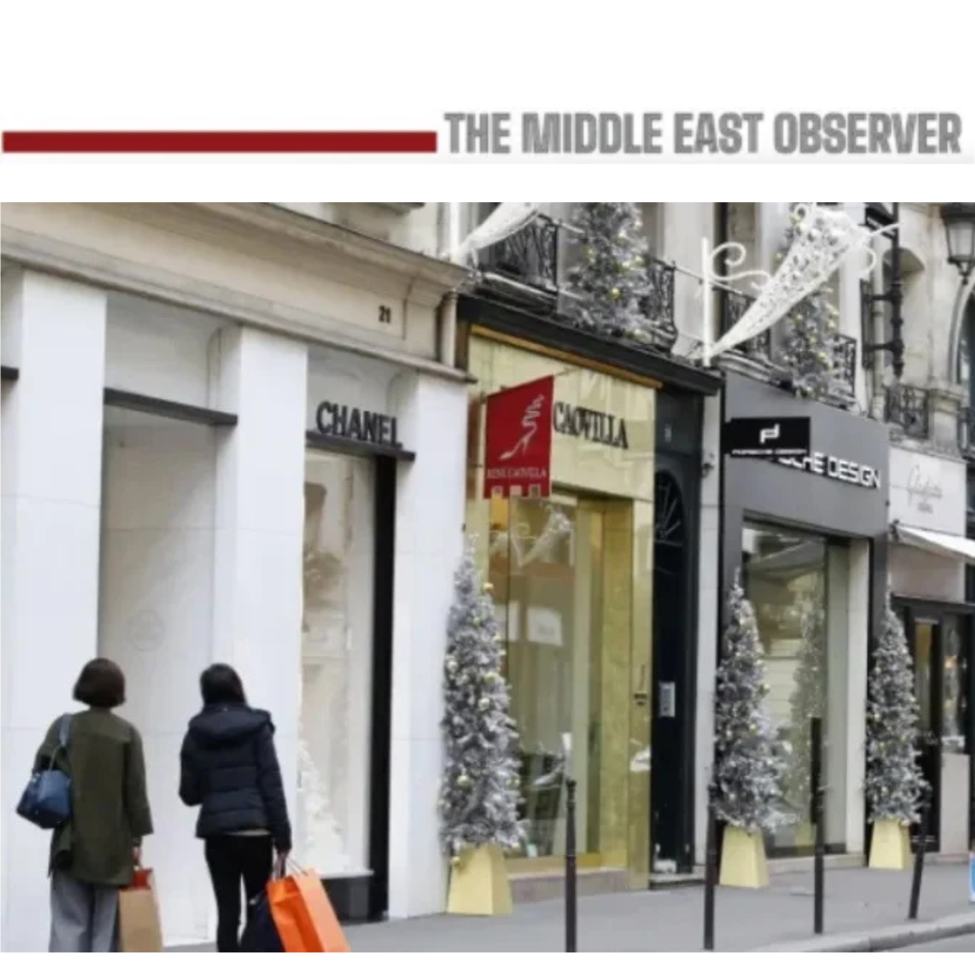
European luxury stocks are experiencing their most significant downturn in years, with the sector's six largest listed groups shedding €251 billion in market value this year alone. This massive valuation erosion is primarily attributed to softer demand in China, which has historically been the primary engine for luxury growth. The "myth of luxury's invincibility" is faltering as geopolitical uncertainty and a prolonged Middle East war dampen tourism and consumer confidence. Major brands including Hermès, LVMH, and Kering are seeing earnings growth slow rapidly, challenging the industry's once-premium valuations.
Market Movers
LVMH — Fashion Sales Down 5% Amid China Slowdown
- What happened: LVMH reported that organic sales for its crucial fashion and leather goods division fell by 5 percent in Q3 2026. The decline was heavily weighed down by a slowdown in demand in China, particularly for Louis Vuitton.
- Why it matters: This result sparked a broader sell-off in European luxury stocks, raising fresh doubts about the sector's recovery trajectory. Investors are now questioning whether the worst is over or if structural changes in Chinese consumption are permanent.

Kering — Scraps 2026 Growth Guidance
- What happened: Gucci owner Kering has scrapped its guidance for a return to growth in 2026. This decision follows disappointing quarterly results that failed to meet analyst expectations.
- Why it matters: Kering's inability to forecast growth signals deep structural issues within its core brands. It contrasts sharply with competitors who are still attempting to stabilize, highlighting the divergent performance within the luxury sector.
Hermès — Beauty Division Struggles Despite Leather Strength
- What happened: While Hermès remains resilient in leather goods, its beauty division lost 4.5% at constant currency over the first half of the year. The brand also faced a "challenging" economic backdrop in China and the Middle East.
- Why it matters: Hermès was seen as the "shock absorber" of the luxury world. Weakness in its beauty segment suggests that even the most resilient brands are feeling the pressure of reduced discretionary spending.
Stock & Financial Pulse
| Company | Notable Movement | Context |
|---|---|---|
| LVMH | -1.07% YTD | Stock down 40.5% over 3 years; fashion sales fell 5% in Q3. |
| Hermès | -1.43% YTD | Valuation at 33x forward earnings; beauty sales down 4.5%. |
| Richemont | -2.78% YTD | Trading at 24x forward earnings; relatively stable vs peers. |
| Ferrari | +0.11% YTD | Outperforming the broader luxury sector with +7.6% YTD gain. |
Note: Financial data reflects recent market snapshots and analyst commentary.
Consumer & Regional Trends
- Rise of Domestic Chinese Brands: Five Chinese handbag labels generated 4.2 billion yuan in Tmall sales in a single year, gaining significant market share as demand for European luxury goods weakens. This indicates a structural shift where Chinese consumers are increasingly turning to homegrown brands rather than Western status symbols.
- Shift to Second-Hand and Value: China’s shoppers are hunting for second-hand bargains, putting additional pressure on European luxury groups. Analysts warn that China may not drive growth for the next two to three years, forcing brands to pivot strategies away from relying on Chinese expansion.
What to Watch
- Holiday Season US Demand: Analysts are closely watching whether the slowdown in the US will come to an end during the holiday period, which could provide a temporary buffer against continued weakness in Asia.
- Kering’s Strategic Pivot: With growth guidance scrapped, investors will look for new leadership initiatives or brand revamps from Kering to restore investor confidence.
- Regulatory & Geopolitical Risks: Ongoing geopolitical uncertainty, particularly in the Middle East, continues to impact tourism flows and consumer sentiment, posing a persistent risk to travel retail revenues.
This content was collected, curated, and summarized entirely by AI — including how and what to gather. It may contain inaccuracies. Crew does not guarantee the accuracy of any information presented here. Always verify facts on your own before acting on them. Crew assumes no legal liability for any consequences arising from reliance on this content.
Powered by
