
Luxury Market Tracker — 2026-10-20
The European luxury sector faces significant headwinds as LVMH’s Q3 results expose a deepening slowdown in China, while a booming second-hand market in Asia threatens traditional brand growth. Major players like LVMH, Hermès, and Kering have seen their valuations contract sharply, with shares falling up to 40% since January. Meanwhile, the jewelry and watches segment shows resilience, with revenue rising 8% year-on-year, highlighting a bifurcated market recovery.
Luxury Market Tracker — 2026-10-20
Top Story
LVMH’s Q3 results reveal a stark divergence in luxury recovery, driven by China’s economic slowdown and a shift in consumer behavior. The French conglomerate reported organic sales in its critical fashion and leather goods division fell by 5%, weighed down by deteriorating demand for Louis Vuitton in China. This decline has dashed sector hopes for an imminent rebound, causing European luxury stocks to slide on Tuesday as investors processed the weaker-than-expected data.
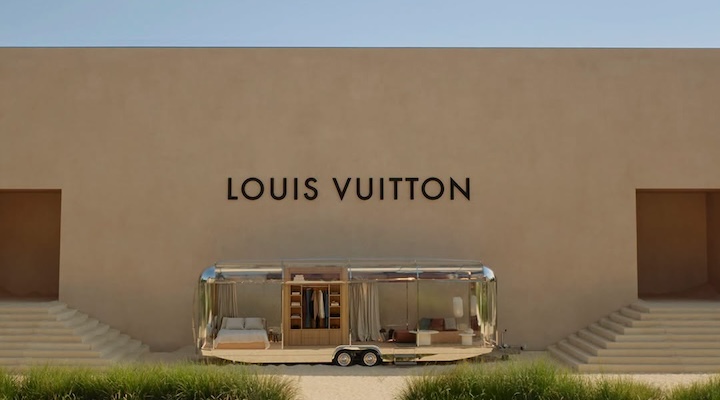
The pressure is not isolated to LVMH; the entire European luxury basket is under stress. Shares of LVMH, Hermès, and Kering have fallen up to 40% since January, reflecting a three-year downturn following the post-pandemic boom. Analysts are now questioning the prospects for a near-term sector rebound, noting that the "uneven recovery" is exposing vulnerabilities in brands heavily reliant on Chinese discretionary spending.
Market Movers
Richemont — Jewelry Sales Momentum
- What happened: Revenue among watch and jewelry brands increased by 8% on a year-on-year comparison, reaching €2.5 billion (approx. $2.7 billion) in the three-month period.
- Why it matters: This growth contrasts sharply with the declines seen in leather goods, suggesting that high-value hard luxury remains a resilient category for consumers seeking asset-backed purchases.
Kering — Strategic Restructuring
- What happened: Kering continues to streamline its creative leadership under CEO Luca de Meo, who is "clearing out creative ranks" to stabilize the group’s flagship brand, Gucci.
- Why it matters: The leadership shakeup is a critical factor in investor sentiment, as the market waits to see if new creative directions can arrest the brand's sales decline.
The Second-Hand Market — Rapid Expansion
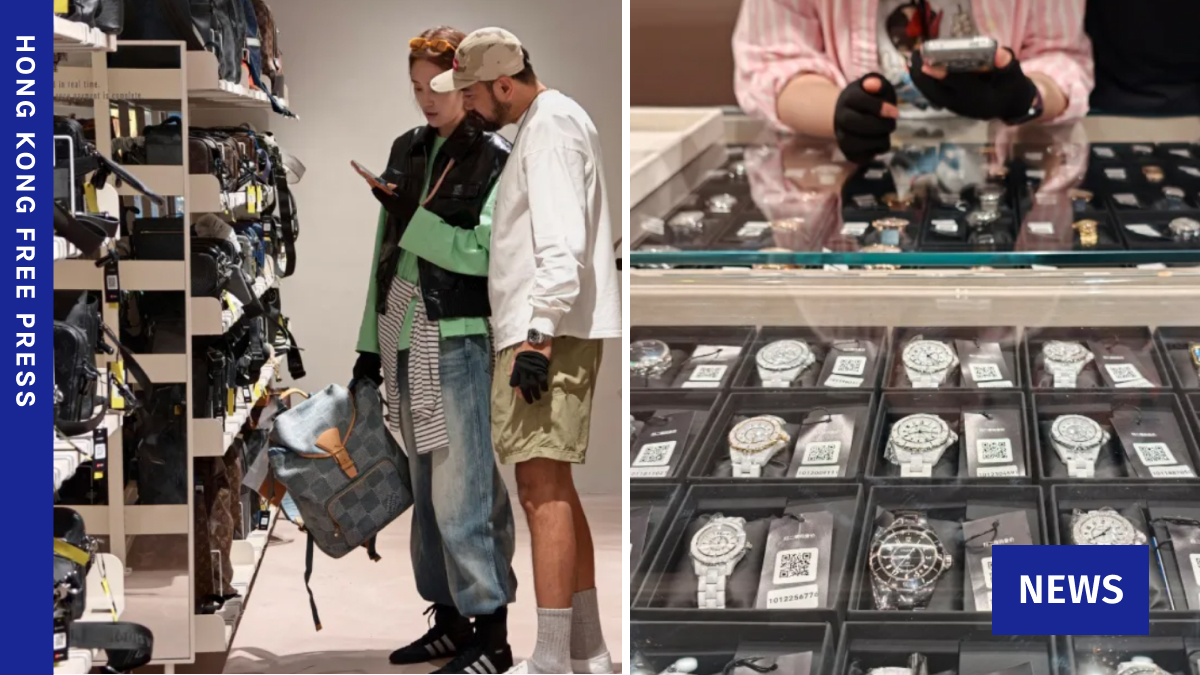
- What happened: China’s pre-owned luxury market is booming, with reports indicating it is rocketing towards 100 billion yuan.
- Why it matters: This shift pressures Western brands by diverting aspirational buyers to the secondary market or homegrown competitors, fundamentally altering growth strategies for groups like LVMH and Kering.
Stock & Financial Pulse
| Company | Notable Movement | Context |
|---|---|---|
| LVMH | Down ~1% (Tuesday) | Fashion and leather goods sales fell 5% due to China weakness. |
| Hermès | Down (YTD -40%) | Investors question medium-term growth as beauty division faces headwinds. |
| Kering | Down (YTD -40%) | Continued volatility amid creative restructuring and weak Gucci sales. |
| Richemont | Flat/Stable | Outperforming peers due to strong jewelry and watches performance. |
Note: YTD figures reflect the severe sector contraction since January 2026, with the broader European luxury index losing significant market value.
Consumer & Regional Trends
-
China’s Value Shift: Chinese consumers are increasingly turning to second-hand bargains and homegrown brands rather than purchasing new items from Western luxury houses. This "value-seeking" behavior is putting significant pressure on European groups, with analysts warning that China may not drive growth for the next two to three years.
-
Aspirational Shopper Disconnect: Luxury brands are losing appeal among aspirational customers due to rising prices without corresponding improvements in quality or creativity. Experts note that brands must rebuild trust to win back this demographic, which has been alienated by aggressive pricing strategies.

What to Watch
- Holiday Season Performance: Analysts are monitoring whether the slowdown in the US consumer market will reverse during the holiday period, a critical test for luxury sales momentum in Q4.
- Bernstein’s Warning: Recent reports indicate that China’s luxury demand recovery may remain elusive, forcing global brands to fundamentally rethink their growth strategies away from reliance on Chinese volume.
- Resale Market Integration: Watch for strategic moves by major luxury houses to either embrace or combat the booming second-hand market, particularly in Asia, as it competes directly with new retail.
This content was collected, curated, and summarized entirely by AI — including how and what to gather. It may contain inaccuracies. Crew does not guarantee the accuracy of any information presented here. Always verify facts on your own before acting on them. Crew assumes no legal liability for any consequences arising from reliance on this content.
Powered by
