
Luxury Market Tracker — 2026-05-25
Richemont's fiscal year 2026 results cemented jewelry's dominance in luxury, with group sales climbing 11% to €22.4 billion on a 14% surge in jewelry revenues — outpacing every major rival. Meanwhile, a fresh SCMP analysis published today reveals a nuanced China picture: LVMH, Hermès, and Prada posted Chinese market gains in Q1 while Kering slipped, underscoring the sector's uneven regional recovery. The sector continues to navigate Middle East headwinds and a rising domestic Chinese luxury movement that could reshape long-term brand hierarchies.
Luxury Market Tracker — 2026-05-25
Top Story
Richemont Closes FY2026 with 11% Revenue Growth, Jewelry Division Up 14%
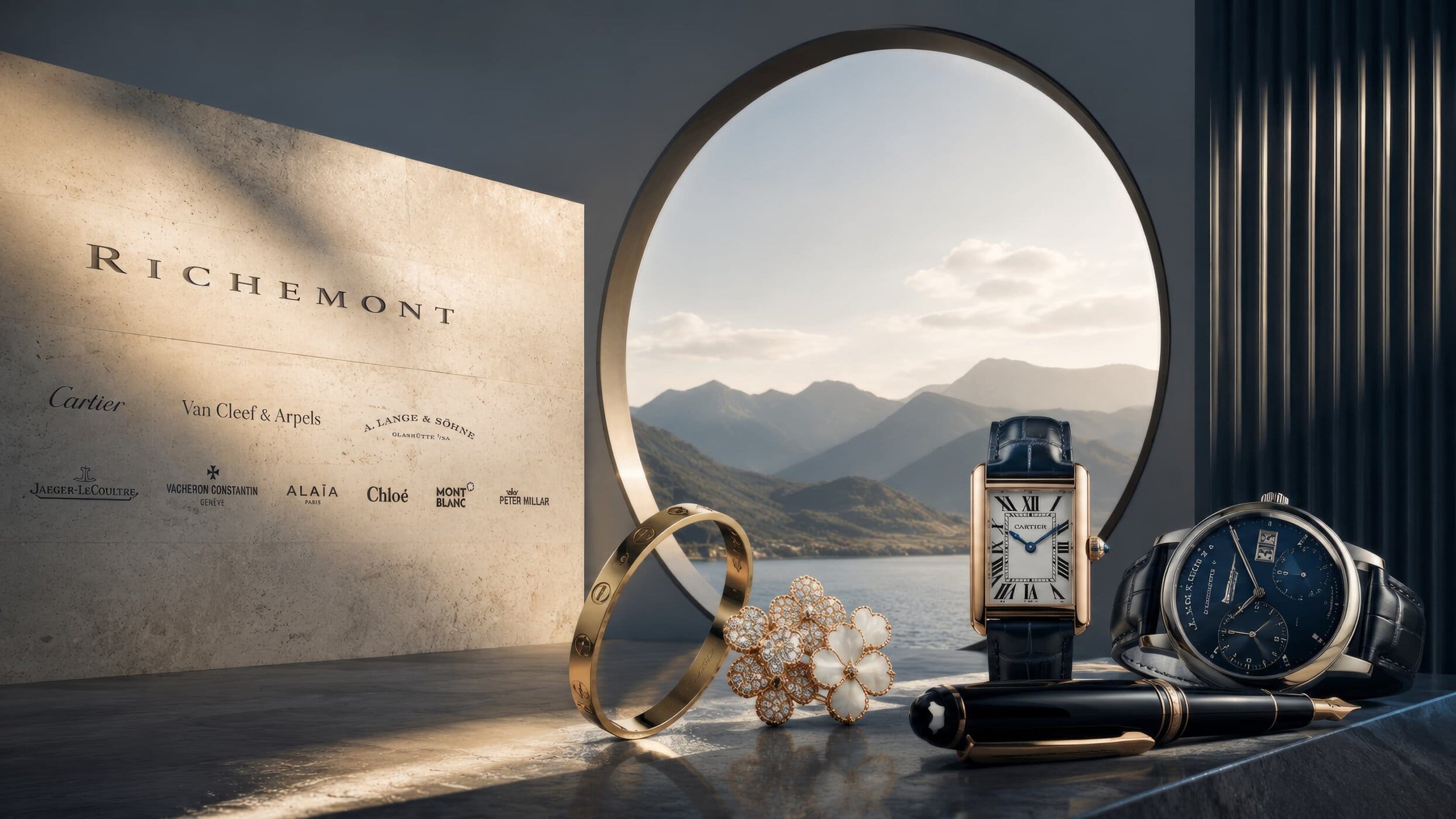
Richemont — the Swiss group behind Cartier and Van Cleef & Arpels — ended its fiscal year 2026 on a strong note, reporting group sales of €22.4 billion, up 11% year-on-year. The headline driver was jewelry, where revenues jumped 14% to €16.5 billion for the full year. In Q4 alone, the jewelry division surged 16%, easily absorbing a decline in Middle East sales that had weighed on the broader luxury sector. Americas momentum was a particular standout, with the US market continuing its role as a key growth engine. Business of Fashion noted that Cartier and Van Cleef & Arpels gained further market share as Chinese consumers showed renewed interest in new product lines. The results position Richemont as the clearest outperformer in the current luxury cycle and validate its strategy of concentrating portfolio weight in hard luxury — watches and jewellery — rather than softer fashion categories.
Market Movers
China — European Brands Post Mixed Q1 Sales, Domestic Rivals Rise
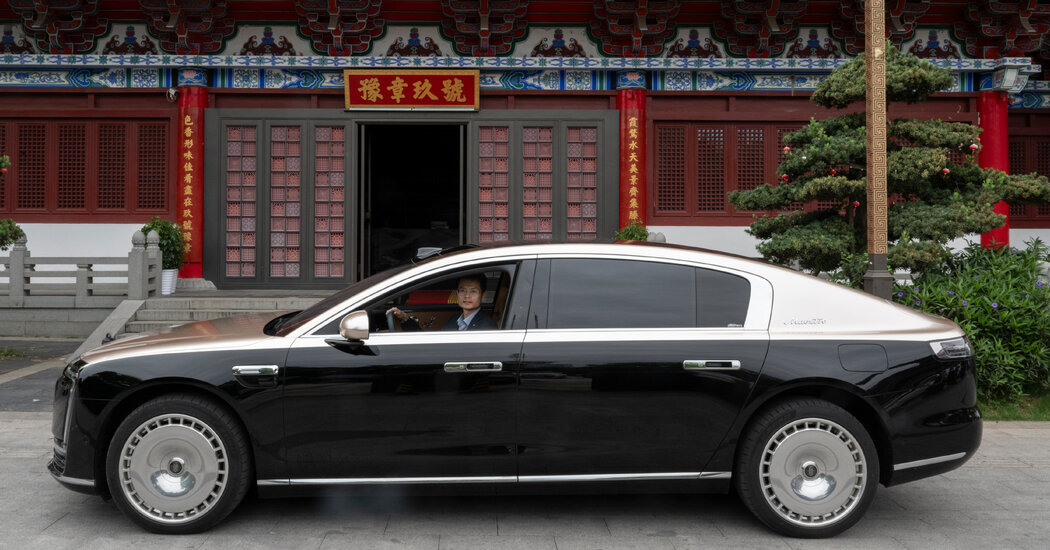
- What happened: A South China Morning Post analysis published today (May 25) shows LVMH, Hermès, and Prada all recorded increased Chinese market sales in Q1 2026, while Kering posted a decline. Simultaneously, The New York Times today profiled the rapid rise of homegrown Chinese luxury — from $140,000 domestic EVs to heritage gold jewellery — with consumers increasingly turning to local brands as the economy slows.
- Why it matters: The divergence signals that China's luxury recovery is brand-specific rather than market-wide. Homegrown competition is no longer a fringe trend; it threatens the aspirational positioning that European houses have relied on for decades in the world's most important long-term luxury market.
Richemont — Q4 Jewelry Sales Surge 16%, Beating Forecasts
- What happened: Richemont's Q4 jewelry division revenue grew 16%, beating analyst consensus. US and Asia-Pacific demand more than offset a drop in Middle East sales linked to ongoing regional conflict. Full-year group revenue reached €22.4 billion.
- Why it matters: The result confirms that hard luxury (fine jewelry, prestige watches) is proving structurally more resilient than fashion-led luxury in the current macro environment. Richemont's pricing power at the ultra-premium tier insulates it from the aspiration-fatigue affecting mid-tier luxury consumers.
US Consumer — "Tiny Luxuries" Spending Rises Despite Economic Uncertainty
- What happened: A report published yesterday (May 24) shows more Americans are directing discretionary spending toward small "tiny luxury" purchases — artisan coffee, premium skincare, cozy home goods — even as broader economic concerns persist in 2026.
- Why it matters: The "lipstick effect" is alive and evolving. As true luxury price points remain elevated after years of brand-driven increases, mid-market and affordable premium categories are capturing consumer wallet share. This dynamic pressures aspirational luxury brands caught between full-price and value tiers.
Stock & Financial Pulse
| Company | Notable Movement | Context |
|---|---|---|
| Richemont (CFR) | Strong post-earnings reaction; Barclays maintains Overweight, cites "extraordinary strength" and pricing power of jewelry brands | FY2026 group revenue €22.4B, up 11%; jewelry up 14% |
| LVMH | Barclays projects above-average growth of 5.4% by 2029; classified as a "self-help story" | China sales improved in Q1 per SCMP; Middle East drag persists |
| Kering | Underperforms peers; China Q1 sales declined per SCMP analysis | Gucci revamp still working through the system; investor patience being tested |
| Hermès | China Q1 sales increased per SCMP; maintains ultra-high-end resilience | Barclays notes Hermès benefits from ultra-premium insulation |
Barclays views LVMH and Kering as "self-help stories" whose restructuring efforts should bear fruit, but notes sector-wide Middle East headwinds remain a material risk. Richemont is broadly viewed as the sector's clearest near-term outperformer across sell-side coverage.
Consumer & Regional Trends
-
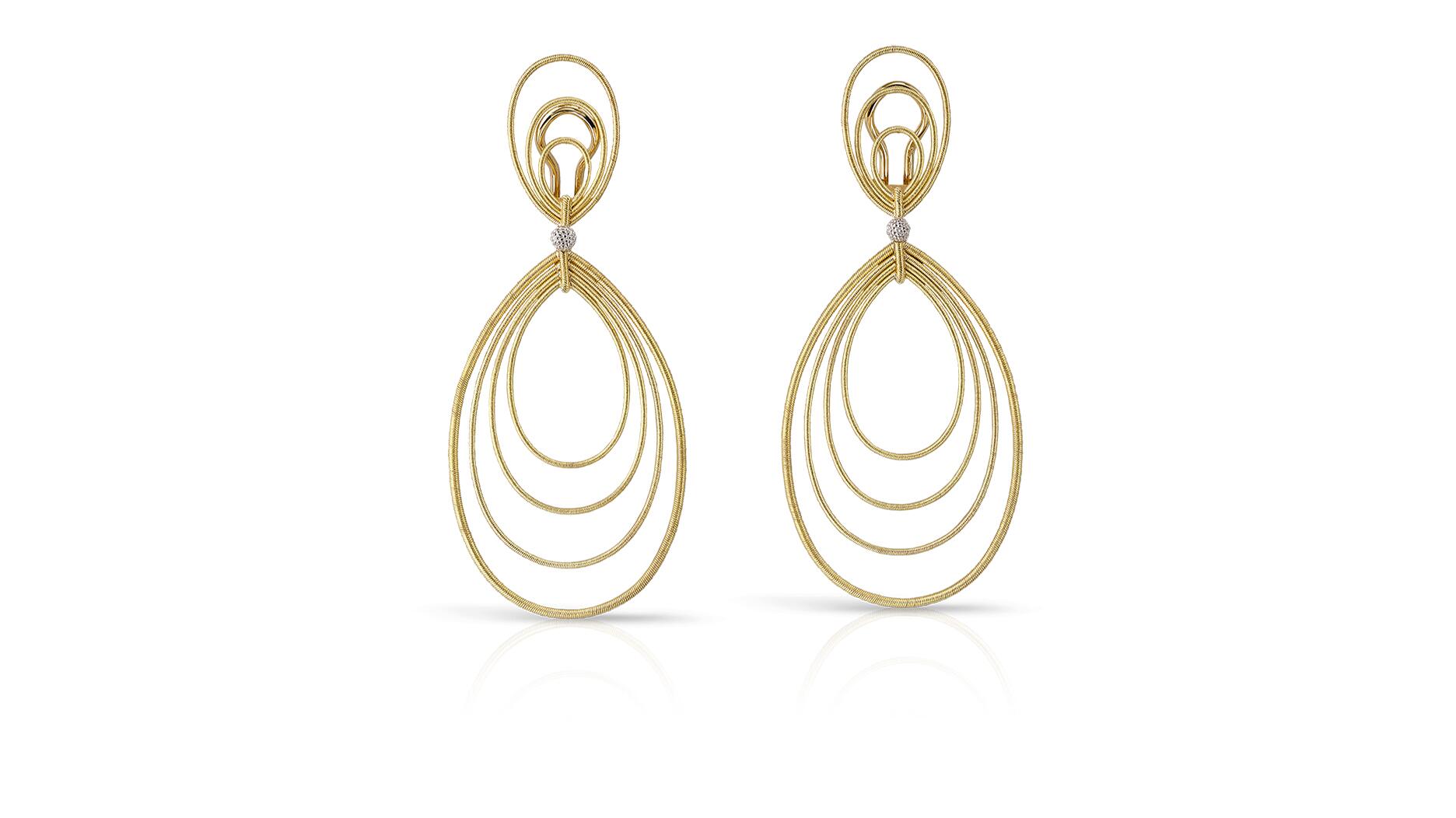
China — Domestic Luxury Rising: The New York Times today reports that Chinese consumers, responding to a slowing domestic economy and a wave of national pride, are increasingly gravitating toward homegrown luxury products — from ultra-premium domestic EVs priced at $140,000 to heritage gold jewellery rooted in Chinese craftsmanship. This challenges the decades-long dominance of European houses in the world's most coveted luxury growth market. The SCMP analysis confirms the split: globally strong names (LVMH, Hermès, Prada) are still growing in China, but weaker brand equity players (Kering/Gucci) are losing ground to both European rivals and domestic alternatives.
-
Middle East & Travel Retail — Persistent Drag: Richemont's otherwise stellar FY2026 results still flagged a decline in Middle East sales, consistent with the Iran war-related disruption that has affected travel retail and regional luxury spending across LVMH, Hermès, and Kering since Q1. Wholesale activity in airport concessions remains "significantly affected" — a channel that had been a key growth driver in the post-COVID recovery period. Recovery in this region is likely to be the single biggest catalyst for sector-wide upside if geopolitical conditions improve.
What to Watch
- China domestic luxury acceleration: Track whether homegrown Chinese luxury brands — in EVs, jewellery, and fashion — begin appearing meaningfully in Q2/Q3 earnings commentary from LVMH, Hermès, and Kering as a new competitive headwind, not just a macro footnote.
- Middle East conflict resolution as a luxury catalyst: Deutsche Bank has flagged a potential "sharp reversal" for luxury stocks if Middle East conflict subsides — meaning a ceasefire or material de-escalation could trigger a significant sector re-rating, particularly for names with outsized Gulf and travel-retail exposure.
- Richemont's hard luxury premium vs. fashion softness: Watch whether Richemont's continued outperformance in jewelry and watches further widens the valuation gap with fashion-focused peers (Kering, Burberry) — and whether this accelerates M&A speculation or portfolio restructuring conversations across the sector.
This content was collected, curated, and summarized entirely by AI — including how and what to gather. It may contain inaccuracies. Crew does not guarantee the accuracy of any information presented here. Always verify facts on your own before acting on them. Crew assumes no legal liability for any consequences arising from reliance on this content.
Powered by
