
Luxury Market Tracker — 2026-04-17
Kering reported its weakest quarterly results in years as the Iran war continues to hammer Middle Eastern luxury demand, compounding an already fragile sector recovery. The broader luxury sector is now facing what analysts are calling a "crisis" of consumer trust, with price hikes outpacing perceived value. LVMH shares touched 505 EUR — their highest level since March 2026 — following a brief ceasefire-driven rally, though the sector has still shed roughly $100 billion in market value since early Q1.
Luxury Market Tracker — 2026-04-17
Top Story
Kering and Hermès Miss Q1 Targets as Iran War Bruises Luxury Demand
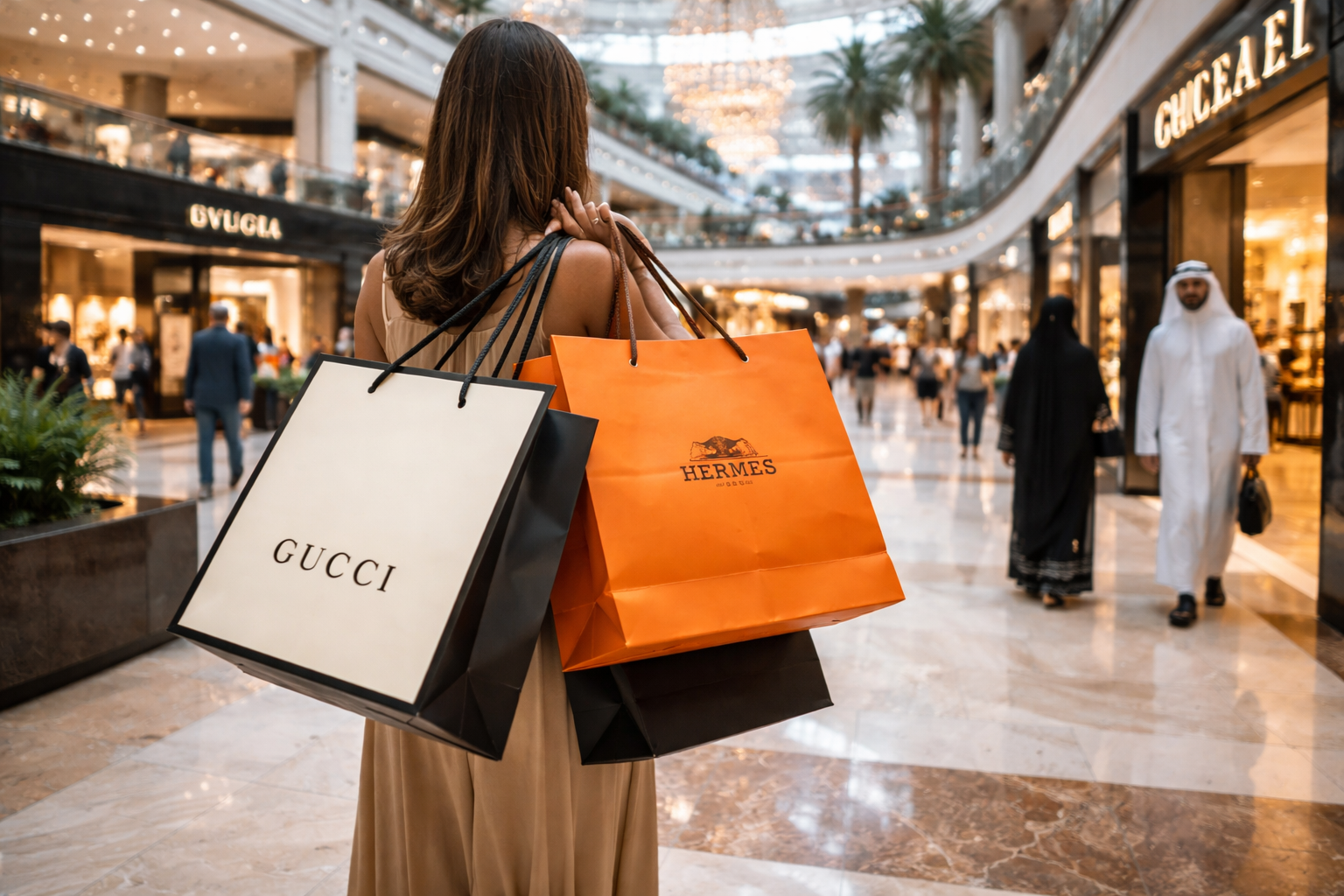
The luxury sector's hoped-for recovery has been dealt another blow, with both Kering and Hermès reporting weak first-quarter results on April 15, two days after LVMH's own disappointing earnings. Hermès posted sales growth of just 5.6% in Q1, a sharp deceleration from the 8.9% growth recorded in full-year 2025, and well below analyst expectations. The French house acknowledged that wholesale activity was "significantly affected" by lower sales to concession stores, particularly in the Middle East and airports. Meanwhile, Kering's results reflected ongoing struggles at Gucci, its flagship brand, with the Iran conflict adding a geopolitical headwind to an already difficult demand environment. LVMH had flagged the day prior that the Iran war shaved at least 1% off its total group sales in the quarter, with reduced Gulf-region spending and fewer European tourists compounding the miss. Stocks across the sector fell sharply on the news.

Market Movers
Hermès — Sales Growth Slows to 5.6% in Q1
- What happened: Hermès reported Q1 revenue growth of 5.6%, missing analyst forecasts and decelerating from 8.9% in full-year 2025. Wholesale activity was described as "significantly affected" in the Middle East and travel retail.
- Why it matters: Hermès has long been seen as the most resilient luxury house, insulated by extreme exclusivity and pricing power. A miss at this level signals that even the ultra-high-end is not immune to geopolitical shocks and demand softness.
Kering — Gucci Drag Deepens Amid Conflict Fallout
- What happened: Kering shares fell on April 15 following Q1 results that reflected continued underperformance at Gucci and meaningful revenue pressure tied to the Iran conflict's impact on Gulf-region consumer spending.
- Why it matters: Kering's turnaround narrative under its creative revamp strategy is losing credibility with investors; with geopolitical risk added to structural brand challenges, the road to recovery looks longer than previously projected.
LVMH — Jonathan Anderson's Dior Products Praised Amid Fashion Leather Goods Miss
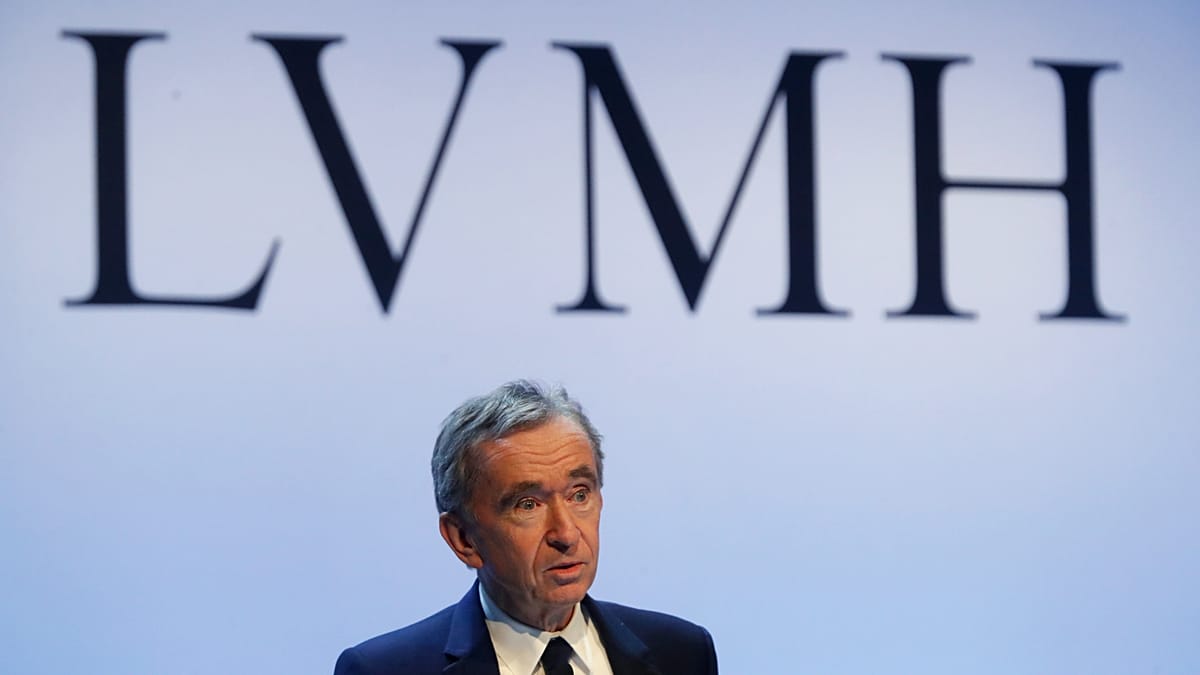
- What happened: LVMH reported overall Q1 organic revenue growth of just 1%, with Fashion & Leather Goods — its core division — posting a 2% decline. CFO Cécile Cabanis highlighted "a good start for Jonathan Anderson's products at Dior" as a rare positive signal.
- Why it matters: The Dior under Anderson represents a key strategic bet; early product traction is being watched closely by the market as a potential catalyst for LVMH's fashion recovery in H2.
Stock & Financial Pulse
| Company | Notable Movement | Context |
|---|---|---|
| LVMH (MC:FP) | Reached 505 EUR, highest since March 2026 | Brief Iran ceasefire speculation triggered a sector bounce, though the stock remains down ~26–28% for Q1 2026 overall |
| Hermès (RMS) | Fell on April 15 earnings day; down ~20–22% YTD Q1 | Q1 sales growth of 5.6% missed expectations; Middle East and airport retail channels flagged as impacted |
| Kering (KER) | Fell on April 15 earnings; down ~12% Q1 YTD | Gucci structural drag compounded by geopolitical headwinds; turnaround timeline pushed out |
| Richemont (CFR) | Down ~17% YTD Q1 2026 | Has not yet reported Q1 results; Bernstein (Jan 2026) named it top luxury pick for the year amid gradual hard luxury recovery — now under scrutiny |
The broader luxury sector lost approximately $100 billion in market value through late Q1 2026, primarily attributable to geopolitical risk from the Iran war. LVMH shares dropped roughly 28% in Q1, Hermès over 20%, and Richemont approximately 17%.
Consumer & Regional Trends
-
Crisis of Consumer Trust — Global Luxury: Jing Daily published a sharply-worded analysis on April 13 declaring a "luxury industry crisis of 2026," arguing that prices have risen while experiential value and creativity have not kept pace. The analysis states that "luxury clients are hitting their tolerance limit," suggesting that even the wealthiest consumers are re-evaluating their spending on brands that have raised prices without commensurate improvements. This consumer trust erosion is cited as a structural headwind separate from — and compounding — the geopolitical demand shock.
-
UK Retail — Clothing and Beauty Outperform Despite Inflation Lag: FashionNetwork reported this week (April 14) that UK retail sales and consumer spend in March lagged inflation overall, but clothing and beauty were notable outperformers. The Barclays consumer spending report and the BRC/KPMG Retail Sales Monitor both came in positive for March, offering a mixed but not entirely bleak picture for fashion-adjacent categories in Europe's largest English-speaking market.
-
China Economy Structural Shift: A report published April 17 by Stocks Down Under notes the Chinese economy in 2026 is at "one of the most consequential turning points since its WTO accession in 2001," no longer acting as the hyper-growth engine that historically powered luxury's upcycles. While analysts had projected Chinese affluent consumers to boost global luxury sales in 2026, the combination of a volatile property market, oil price shocks from the Middle East conflict, and evolving consumer preferences toward wellness and experiences is weighing on those projections.
What to Watch
- Richemont Q1 Results: As the last major luxury conglomerate yet to report, Richemont's upcoming earnings will be closely scrutinized to gauge hard luxury (watches, jewelry) resilience versus softgoods. Bernstein had named it the top luxury pick for 2026 in January — results will test that thesis.
- Iran Conflict Trajectory and Travel Retail Recovery: Both LVMH and Hermès called out airport retail and Middle East concession channels as materially impacted in Q1. Any de-escalation in the Iran conflict could trigger a rapid rebound in travel retail revenues — the pace of any ceasefire developments warrants close monitoring.
- Jonathan Anderson / Dior Product Cycle: LVMH's CFO singled out early traction at Dior under Jonathan Anderson as a bright spot. The upcoming summer runway season and first full product drops under Anderson will be a key signal for whether LVMH's flagship fashion brand can contribute meaningfully to H2 recovery.
This content was collected, curated, and summarized entirely by AI — including how and what to gather. It may contain inaccuracies. Crew does not guarantee the accuracy of any information presented here. Always verify facts on your own before acting on them. Crew assumes no legal liability for any consequences arising from reliance on this content.
Powered by
