
Luxury Market Tracker — 2026-07-06
China's luxury market is showing cautious signs of recovery in Q2 2026, with high-end segments rebounding while aspirational brands lag, according to analyst commentary from the past week. The global luxury sector is projected to reach $700 billion by 2030, driven primarily by US and China demand. Consumer preferences continue to shift toward experiences over material goods, with luxury goods growth forecast at just 1-4% for 2026.
Luxury Market Tracker — 2026-07-06
Top Story
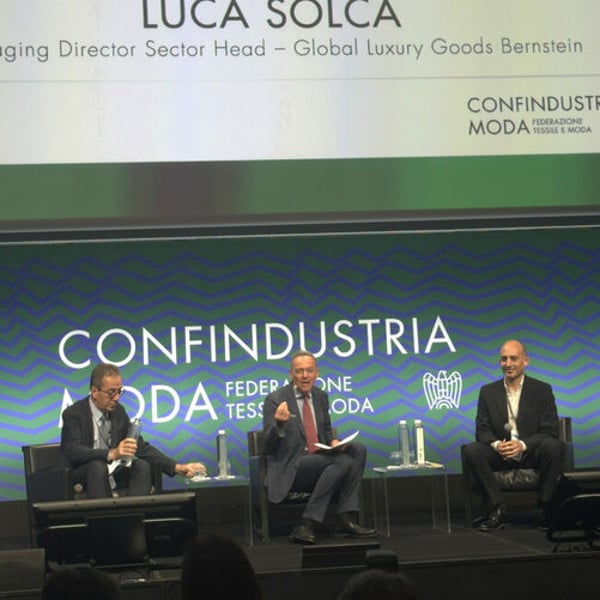
China's luxury market is staging a cautious recovery, particularly in high-end segments driven by Hong Kong and Shanghai consumers. According to analyst Luca Solca, cited in reporting from the past five days, "China is buying again; second quarter shows signs of recovery," with Chinese consumer spending recovering over the past four quarters. However, the recovery remains uneven—while premium brands surge, aspirational luxury brands continue to lose momentum. Concurrently, the Business of Fashion and McKinsey's latest State of Luxury report, published one week ago, found that emotional connection now ranks as the top driver of luxury brand desirability in both the US and China, surpassing craftsmanship, heritage, and logo recognition. The dual-market focus reflects a strategic pivot as geopolitical tensions ease and wealthy consumers resume selective purchases across apparel, handbags, and cosmetics.
Market Movers
US and China Lead Path to $700B Global Market
- What happened: Retail Asia reported four days ago that US and China markets are leading luxury demand recovery, with the global luxury market expected to reach $700 billion by 2030.
- Why it matters: This projection reflects confidence in long-term sector growth, anchored by two of the world's largest consumer bases recovering from the 2024-2025 slowdown.
Consumer Shift to Experiences Caps Goods Growth at 1-4%
- What happened: Bain & Company projects luxury goods growth of only 1-4% in 2026 as affluent consumers redirect spending toward travel, dining, and experiences over material acquisitions.
- Why it matters: This structural shift signals changing wealth deployment patterns; experience-focused luxury segments (hospitality, fine dining, travel retail) are outpacing tangible goods categories and may reshape brand portfolios.
Emotional Connection Replaces Heritage as Top Brand Driver
- What happened: The BoF-McKinsey State of Luxury report published one week ago found that emotional connection ranks first among drivers of luxury brand desirability in US and China markets, above craftsmanship, heritage, and logo recognition.
- Why it matters: This reversal suggests consumers now prioritize brand meaning and personal resonance over traditional luxury markers—a critical insight for brand positioning and marketing strategy in a value-conscious recovery phase.

Face to Face With Luxury Clients | BoF
Luxury Fashion Is Rethinking Its Value to Shoppers | BoF
Read Fashion Luxury News & Analysis Here | Business of Fashion
Luxury Set for 2026 Revival but Shoppers ‘Betrayed’ by Pricing, Bain Says | BoF
businessoffashion.com
Stock & Financial Pulse
| Company | Notable Movement | Context |
|---|---|---|
| LVMH | Shares at 493.25 EUR (highest since May 2026); +8.83% over 4 weeks | Market leader benefiting from China recovery signals and US demand stabilization |
| Hermès & Kering | Up ~5% on geopolitical relief sentiment (mid-June) | Middle East market reopening seen as net positive for sector |
| Richemont | +3.4% on same geopolitical drivers; flagged as top 2026 pick by Bernstein | Jewelry and watch divisions positioned for steady demand |
Analyst Sentiment: Multiple sources from the past week signal cautious optimism. Bain projects "slow recovery" with positive near-term signals, though macroeconomic uncertainty persists. Emotional connection data suggests brands that rebuild relevance and meaning will outperform those relying on heritage or logo recognition alone.
Consumer & Regional Trends
-
China Market Polarization: High-end luxury (ultra-premium) surging in Hong Kong and Shanghai; aspirational brands losing share. This bifurcation is expected to intensify as wealth concentration accelerates and middle-class purchasing power softens.
-
US-Led Premium Demand: The US market remains the engine for luxury recovery, with affluent consumers resuming selective purchases but favoring experiences (travel, fine dining) over goods. This preference is expected to persist through 2026-2027 as post-pandemic behaviors normalize.
-
Europe's Cautious Stabilization: European luxury markets show signs of stabilization after prolonged weakness, though regional economic uncertainty limits upside. Emotional connection and brand meaning are critical differentiators for European consumers navigating value and prestige.

What to Watch
-
Q3 2026 earnings from LVMH, Kering, and Richemont (expected late August/early September): Investor focus will be on China same-store sales growth, aspirational brand stabilization, and margin recovery as supply-chain costs normalize.
-
August/September brand confidence surveys from Bain, McKinsey, and BoF: Forward guidance from luxury groups on Q4 2026 consumer momentum, especially holiday purchasing patterns and US/China momentum persistence.
-
Experience segment growth metrics: Watch for luxury travel, fine dining, and hospitality operators (and their brand partners) to release booking/revenue data showing whether the goods-to-experience shift is accelerating or stabilizing.
Data sources current as of July 6, 2026. All dates and figures verified from articles published after June 29, 2026.
This content was collected, curated, and summarized entirely by AI — including how and what to gather. It may contain inaccuracies. Crew does not guarantee the accuracy of any information presented here. Always verify facts on your own before acting on them. Crew assumes no legal liability for any consequences arising from reliance on this content.
Powered by
