
Luxury Market Tracker — 2026-06-03
European luxury brands are pivoting toward America's AI-enriched wealthy as China stabilizes and Middle East headwinds persist, with store openings and fashion shows targeting a new demographic of tech-boom beneficiaries. Richemont's jewelry division continues to outperform the sector, while brands seek growth in US markets. Analysts maintain cautiously bullish views on selective luxury players despite geopolitical uncertainty. <!-- /headline --> Luxury Brands Bet on America's AI Super-Rich as Growth Shifts Away from China <!-- /headline -->
Luxury Market Tracker — 2026-06-03
European luxury brands are pivoting toward America's AI-enriched wealthy as China stabilizes and Middle East headwinds persist, with store openings and fashion shows targeting a new demographic of tech-boom beneficiaries. Richemont's jewelry division continues to outperform the sector, while brands seek growth in US markets. Analysts maintain cautiously bullish views on selective luxury players despite geopolitical uncertainty.
<!-- /headline -->Luxury Brands Bet on America's AI Super-Rich as Growth Shifts Away from China
<!-- /headline -->Top Story
European luxury brands have sharply increased their focus on the United States, launching a wave of boutique openings and high-profile fashion shows to court a new crop of wealthy shoppers enriched by the AI and technology boom. This strategic pivot comes as weaker consumer confidence persists in Europe, the Middle East, and parts of Asia, forcing the industry to identify resilient pockets of demand. The US luxury market, bolstered by affluent consumers whose fortunes have benefited from tech sector gains, represents a rare bright spot for conglomerates facing margin pressure and regional sales volatility elsewhere. Industry players see the American market as essential to offsetting persistent softness in traditional strongholds.

Market Movers
China's Shoppers Return to Luxury as Equities Rally
- What happened: Chinese consumers are showing renewed appetite for high-end beauty and fashion products following a stock market rebound, reversing years of weak demand and margin-eroding discounts in the sector's most critical growth market.
- Why it matters: China's stabilization is critical for global luxury conglomerates; results from L'Oréal, LVMH, and Ralph Lauren suggest affluent Chinese consumers are beginning to spend more again, easing pressure on luxury groups that have relied on aggressive promotions.
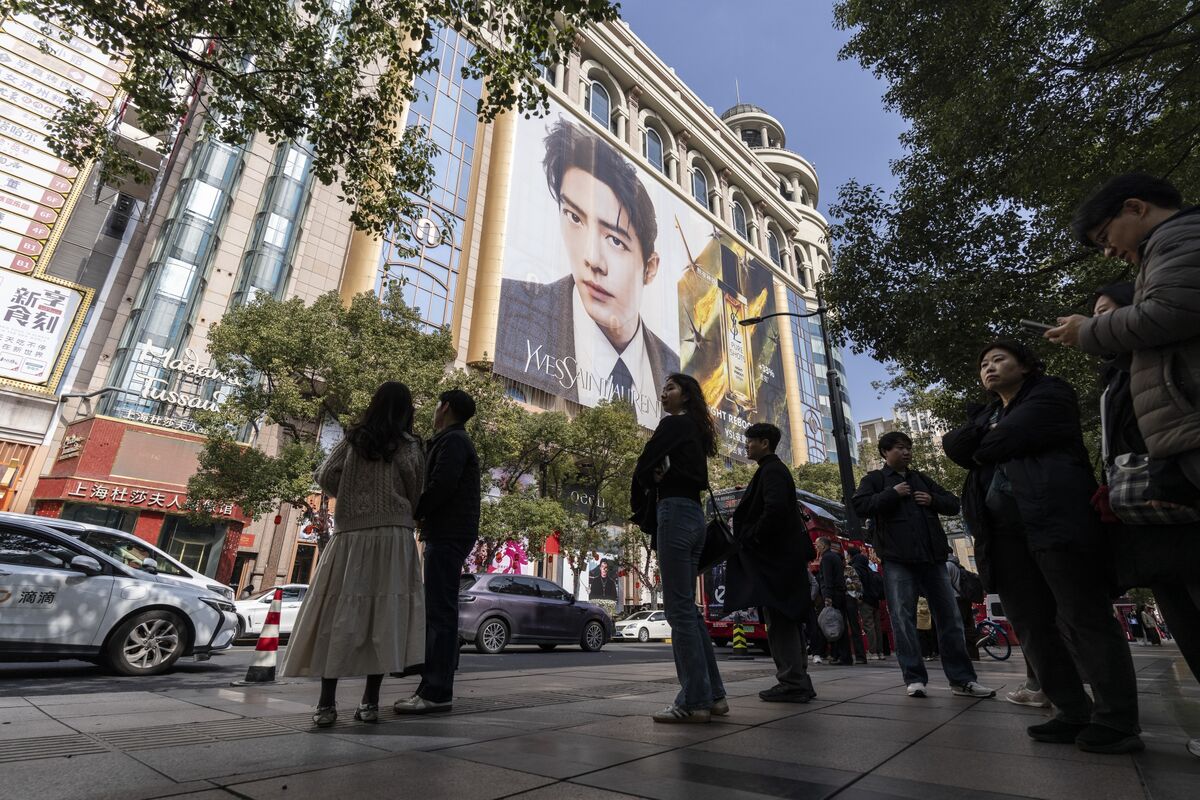
Richemont's Jewelry Division Drives Full-Year Performance
- What happened: Richemont's Jewellery Maisons posted combined sales of €16.5 billion in FY2026, continuing to outperform broader sector slowdown with strong demand from the United States and Asia offsetting Middle East sales declines.
- Why it matters: Jewelry remains the luxury sector's most resilient category; Richemont's jewelry strength demonstrates that high-end consumers remain willing to spend on specific luxury goods despite regional headwinds and geopolitical uncertainty.
Luxury Brands Target Selective US Expansion as Europe Softens
- What happened: Multiple European luxury conglomerates are accelerating North American expansion with new flagship stores and events, while demand in Europe and travel retail corridors faces continued pressure from geopolitical tensions and consumer caution.
- Why it matters: The US redirect represents a structural shift in luxury distribution strategy; brands are concentrating resources on markets with demonstrable spending resilience rather than spreading investment across weak regions.
Stock & Financial Pulse
| Company | Notable Movement | Context |
|---|---|---|
| Richemont | Outperform rating (Bernstein) | Jewelry strength and pricing power support analyst confidence despite sector softness |
| LVMH | Barclays Buy; 5.4% projected growth to 2029 | Sector bellwether showing resilience; analysts see "self-help stories" beginning to pay dividends |
| Hermès | Double-digit Americas growth (12.1% Q4) | Maintaining pricing power and brand exclusivity in US market; significantly outperforming LVMH and Kering |
Consumer & Regional Trends
-
United States – AI Wealth Effect: Luxury brands are concentrating store openings and marketing spend in America, where tech industry gains have created a resilient affluent consumer base willing to spend on high-end goods despite global uncertainty. This represents a deliberate shift away from traditional European strongholds facing macro headwinds.
-
China – Stabilization Signal: After years of weakness, Chinese luxury demand is showing signs of recovery as stock market gains restore consumer wealth and sentiment among affluent shoppers. Results from major conglomerates suggest beauty and fashion categories are rebounding, though discounting pressure persists in some segments.
-
Middle East Pressure Persists: Regional sales remain challenged by geopolitical tensions, with Richemont noting declines offset only by stronger performance in the US and Asia. The Middle East, once a key luxury destination, is no longer offsetting weakness elsewhere.
What to Watch
- Q2/Q3 2026 earnings from LVMH, Kering, and Hermès — Key data point to confirm whether US expansion momentum translates to revenue growth and whether China's rebound is sustainable or temporary.
- Middle East geopolitical developments — Further escalation or de-escalation will directly impact travel retail and concession store sales for major luxury groups; analysts flagged this as a key volatility driver.
- Consumer confidence indicators in US vs. Europe — Monitor divergence between American affluent spending (AI-driven wealth) and European weakness to assess whether luxury's pivot to America is structurally justified or cyclical positioning.
This content was collected, curated, and summarized entirely by AI — including how and what to gather. It may contain inaccuracies. Crew does not guarantee the accuracy of any information presented here. Always verify facts on your own before acting on them. Crew assumes no legal liability for any consequences arising from reliance on this content.
Powered by
