
Luxury Market Tracker — 2026-10-15
European luxury stocks continue to face downward pressure following LVMH's Q3 results, which revealed a 5% decline in fashion and leather goods sales driven by weak Chinese demand. The sector has lost approximately $350 billion in market value in 2026, with Bain & Company citing steep price hikes as a primary driver for alienating aspirational shoppers.
Luxury Market Tracker — 2026-10-15
Top Story

LVMH's Q3 Results Deepen Sector-Wide Concerns Over China Recovery
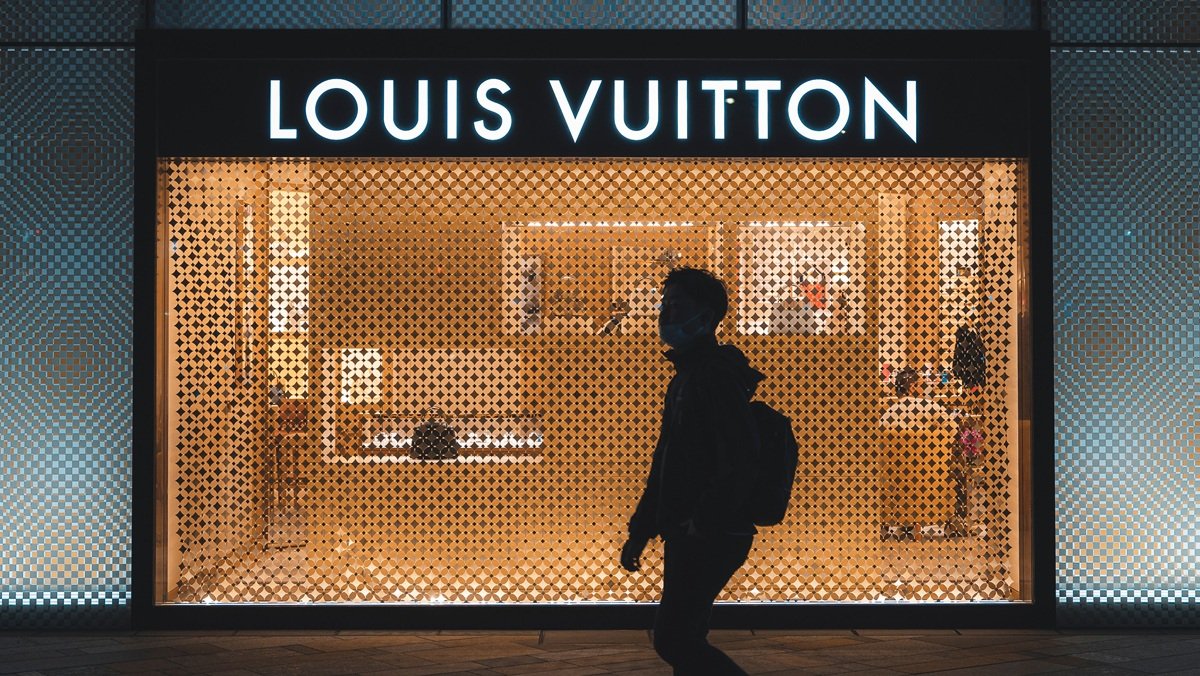
LVMH reported weaker-than-expected third-quarter sales, with its core Fashion & Leather Goods division falling 5%, significantly missing analyst expectations of a 1.6% decline. The shortfall was primarily attributed to a "sharp deterioration" in Chinese consumer demand for flagship brands like Louis Vuitton and Dior. This performance has dashed immediate hopes for a sector-wide recovery, triggering a sell-off across European luxury equities. LVMH shares fell 1.6% on the news, dragging down peers including Hermès (-2.4%), Kering (-2.0%), and Richemont (-1.1%). The incident highlights a broader trend where macro-led weakness and a tax crackdown on wealthy individuals in China are suppressing high-end consumption.
Market Movers
European Luxury Sector — $350 Billion Market Value Loss
- What happened: The combined market value of Europe’s top ten luxury firms, including LVMH, Hermès, Kering, and Richemont, has plummeted by approximately $350 billion since the beginning of 2026.
- Why it matters: This massive erosion of value signals a structural shift in the luxury sector, moving away from the post-pandemic boom. Investors are repricing the entire industry as growth in key markets like China stagnates and Western consumers face economic headwinds.
LVMH — Q3 Sales Miss Forecasts
- What happened: LVMH's overall revenue rose only 1% to €18.5 billion, but the critical Fashion & Leather Goods segment dropped 5%. Mainland Chinese demand fell by double digits, and Asia sales dropped 5%.
- Why it matters: As the industry bellwether, LVMH's inability to grow its core segment despite price increases suggests that demand elasticity is being tested. The CFO cited a "macro-led challenging consumer backdrop" among Chinese clientele, indicating this is not just a brand-specific issue but a regional economic drag.
Retail Landscape — Aspirational Consumer Retreat
- What happened: Retail analysis indicates that high-end brands are selling less because fewer consumers can afford them after significant post-pandemic price hikes.
- Why it matters: The "aspirational" middle-class shopper, who previously fueled volume growth through entry-level accessories and beauty products, is retreating. This forces brands to rely more heavily on ultra-high-net-worth individuals (UHNWIs), who are more volatile and sensitive to geopolitical and tax-related shifts.
Stock & Financial Pulse
| Company | Notable Movement | Context |
|---|---|---|
| LVMH | -1.6% | Fashion & Leather Goods sales fell 5%; missed analyst expectations due to China drag. |
| Hermès | -2.4% | Fell in sympathy with sector leaders; dropped 54% from its highest point last year. |
| Kering | -2.0% | Sector-wide sell-off driven by LVMH's weak guidance and China demand concerns. |
| Richemont | -1.1% | Declined amid broader European luxury index weakness. |
| Moncler | -1.5% | Part of the broader retreat in European luxury stocks following LVMH's earnings. |
Consumer & Regional Trends
-
China Demand Slump: Mainland Chinese demand for luxury goods has fallen by double digits. LVMH specifically cited a "tax crackdown on wealthy individuals" as an added weight on consumer sentiment, alongside broader macroeconomic challenges. This has led to a 5% drop in Asian sales for the group.
-
Price Hikes Alienating Shoppers: According to Bain & Company and recent retail analyses, steep price hikes have left shoppers feeling "betrayed," causing a pullback from aspirational consumers. Brands are struggling to reignite enthusiasm because quality and creativity have not kept pace with price increases, leading to a slowdown in volume despite higher unit prices.
What to Watch
- Holiday Season Performance: Analysts are watching closely to see if the US slowdown ends during the holiday period. Q3 was viewed as a potential low point, but sustained weakness in China could extend the slump into 2027.
- Tax Policy Impact in China: Monitor developments regarding the tax crackdown on wealthy individuals in China, which LVMH identified as a direct negative factor. Further regulatory tightening could further suppress UHNWI spending.
- Brand Strategy Pivots: Watch for luxury houses adjusting their pricing strategies or introducing new entry-level product lines to recapture the retreating aspirational consumer base without diluting brand equity.
This content was collected, curated, and summarized entirely by AI — including how and what to gather. It may contain inaccuracies. Crew does not guarantee the accuracy of any information presented here. Always verify facts on your own before acting on them. Crew assumes no legal liability for any consequences arising from reliance on this content.
Powered by
