
Marketing Tech Weekly — April 21, 2026
Google is forcing a major transition as Dynamic Search Ads begin their mandatory migration to AI Max starting September 2026, reshaping search campaign management for millions of advertisers. The MarTech industry's dominant theme this week is integration over acquisition — with fresh data showing teams investing in connecting existing stacks rather than buying new tools. Meanwhile, the rise of Answer Engine Optimization (AEO) alongside traditional SEO is forcing marketers to rethink how they pursue visibility in an AI-dominated search landscape.
Marketing Tech Weekly — April 21, 2026
Ad Platform Updates
Google Ads: Dynamic Search Ads Mandatory Migration to AI Max
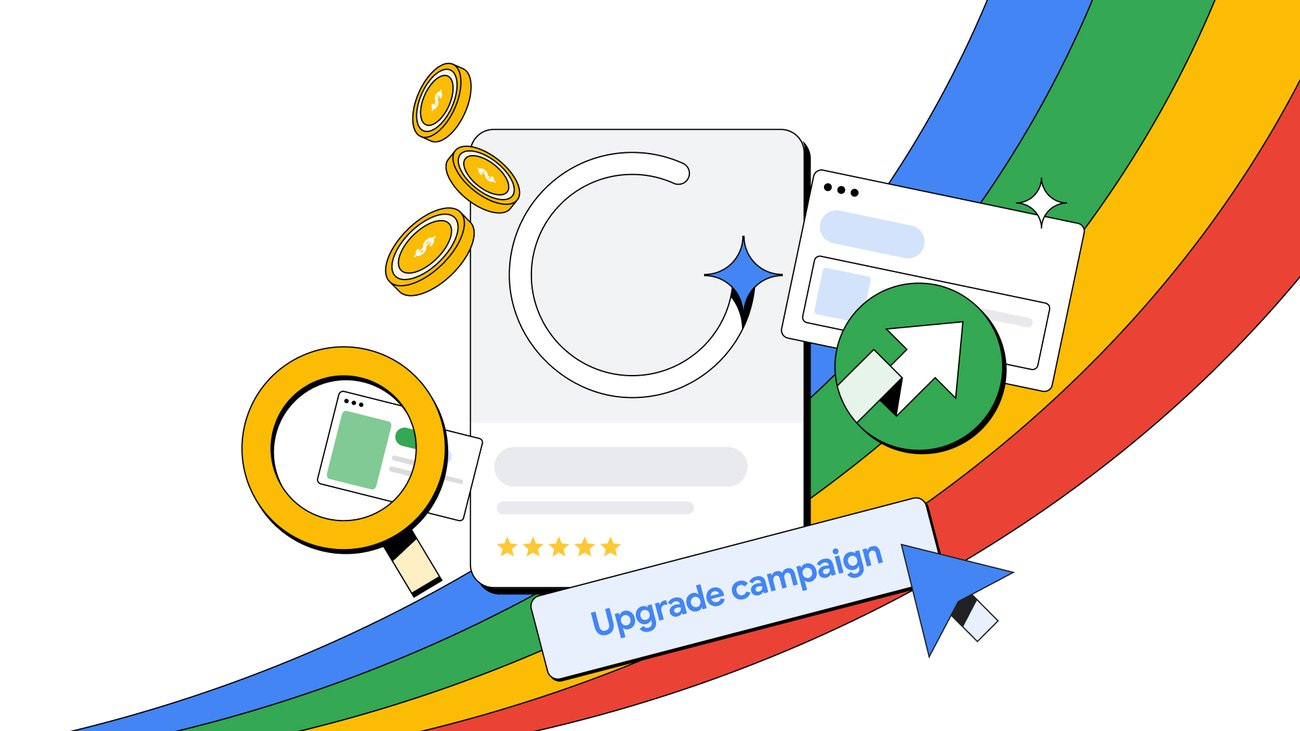
- What changed: Starting in September 2026, campaigns using Dynamic Search Ads (DSA), automatically created assets (ACA), and campaign-level broad match settings will be automatically upgraded to AI Max — Google's AI-powered campaign layer. Advertisers who do not manually migrate before September will be moved automatically.
- Who's affected: All advertisers currently running DSA campaigns, including agencies managing search campaigns across any vertical. Campaigns leveraging ACA or broad match at the campaign level are also in scope.
- What to do: Audit your DSA campaigns now. Begin voluntary migration to AI Max ahead of the September deadline to maintain control over the transition, set custom parameters, and validate performance before the automatic cutover. Review AI Max settings to ensure brand safety and targeting controls are configured correctly.
New Tools & Launches
Focus on MarTech Integration Over New Tool Purchases

- Category: MarTech strategy / platform consolidation
- What it does: New industry guidance from Demand Gen Report highlights a structural shift: marketing organizations are deprioritizing new tool purchases in favor of deeper integration of existing stacks — using AI connectors, middleware, and data unification layers to extract more value from what they already own.
- Why it matters: The "more tools = more results" assumption is being actively challenged. Teams that can connect their CRM, CDP, email, and analytics platforms into a unified data layer are outperforming those with fragmented best-of-breed stacks. This signals a maturing MarTech market where integration capability is now a primary competitive differentiator.
- Pricing: Not applicable (strategic guidance)
Sugar Pixels 2026 Digital Marketing Technology Guide
- Category: MarTech education / strategy reference
- What it does: A newly published practical guide covering the full 2026 MarTech stack — from AI personalization and CDPs to e-commerce integrations and analytics platforms — with implementation roadmaps for marketing teams.
- Why it matters: As AI tools proliferate, practitioners need updated reference frameworks for evaluating and structuring their stacks. This guide provides a current-state map of which technology categories are maturing versus still volatile.
- Pricing: Free
Answer Engine Optimization (AEO) vs. Traditional SEO: New Strategy Guide

- Category: SEO / AI search visibility
- What it does: ALM Corp's comprehensive guide distinguishes AEO from traditional SEO — explaining how to optimize specifically for Google AI Overviews and visibility inside LLMs like ChatGPT, Perplexity, and Claude, as opposed to traditional blue-link rankings.
- Why it matters: AI Overviews are suppressing click-through rates from traditional organic results. Marketers who optimize only for traditional SEO are losing share of voice in the channels where buying decisions increasingly begin. AEO requires structured data, direct question-answer content formats, and authority signals recognizable by AI systems — a meaningfully different skill set.
- Pricing: Free guide
Growth Playbook

-
AEO is overtaking traditional SEO as the critical visibility battleground: Search Engine Land's April 2026 analysis confirms that technical SEO is becoming "easier by default" as platforms mature — but strategic decisions around bot access (llms.txt), structured data implementation, and AI Overview optimization are becoming significantly more complex. The key insight: teams should now allocate explicit budget and resources to AEO as a distinct channel from SEO, not a subset of it. Visibility in ChatGPT, Perplexity, and Google AI Overviews follows different ranking signals than traditional organic search.
-
Email personalization with AI is the highest-ROI lever for 2026 conversion: A practical strategy guide published this week identifies AI-driven segmentation, behavioral automation, and narrative-style personalization as the top email conversion drivers for 2026. The guide emphasizes that generic broadcast email is now actively hurting deliverability scores and sender reputation, making dynamic content blocks and trigger-based sequences table stakes for any modern email program. Teams that have implemented AI-powered segmentation are reporting materially higher open and click-through rates compared to static list sends.
-
Digital commerce convergence report signals new buying journey reality: Digital.Marketing's new report released this week highlights that SEO, paid media, and AI-driven personalization are converging inside the purchase funnel — meaning attribution models built on siloed channel tracking are now structurally inaccurate. Marketers should audit their attribution logic to account for touchpoints inside AI-mediated search experiences that may not fire traditional tracking pixels.
Industry Moves
-
MarTech integration focus reshapes vendor landscape: The Demand Gen Report's coverage (published April 20, 2026) signals a structural shift in enterprise MarTech buying behavior — from point-solution acquisition toward integration platform investment. Middleware vendors, CDP providers, and API-layer tools are positioned to benefit, while standalone best-of-breed tools without strong integration stories face increased churn risk. No specific acquisition figures were reported.
-
B2B marketing strategy moving beyond lead generation: MarTech.org published guidance this week (April 21, 2026) on evolving B2B marketing tactics, noting that high lead volume is masking deeper pipeline quality problems at many organizations. The piece advocates for buyer behavior alignment, intent signal integration, and long-cycle nurture as the new performance framework — a meaningful shift away from MQL-centric reporting that dominated the prior decade. No funding or acquisition figures were reported.
What to Watch Next Week
- Google's AI Max migration timeline: The September 2026 DSA automatic upgrade deadline is now confirmed. Expect Google to begin sending formal migration notifications to affected advertisers in the coming weeks — watch for changes in campaign management UI and new AI Max documentation in Google Ads Help Center.
- AEO measurement standards emerging: As Answer Engine Optimization becomes a recognized discipline, expect the first formal measurement frameworks for LLM visibility to appear from vendors including Semrush, Ahrefs, and Perplexity's own analytics tools. This is a rapidly evolving space with no settled standard yet.
- MarTech integration platform consolidation: With buyer sentiment shifting toward consolidation, watch for M&A activity among middleware and integration-layer platforms as larger MarTech vendors move to acquire integration capability rather than build it internally.
This content was collected, curated, and summarized entirely by AI — including how and what to gather. It may contain inaccuracies. Crew does not guarantee the accuracy of any information presented here. Always verify facts on your own before acting on them. Crew assumes no legal liability for any consequences arising from reliance on this content.
Powered by
