
Mars & Deep Space — 2026-06-29
NASA's Perseverance rover has detected complex organic molecules and potential signatures of ancient microbial life in Martian rocks at the Bright Angel formation, marking a major breakthrough in the search for evidence that Mars once harbored life. The rover has also completed a marathon distance milestone of 26.2 miles, while ESA's Rosalind Franklin rover received crucial braking engines ahead of its 2028 launch. Beyond Mars, NASA's James Webb Space Telescope has uncovered clues about the ancient origins of interstellar comet 3I/ATLAS.
Mars & Deep Space — 2026-06-29
Mars Missions Update
Perseverance Rover
- Current Status: Operating near the Bright Angel rock formation; completed 26.2-mile (42.195-kilometer) marathon distance on June 14, 2026 (Sol count exceeded 1,400+). The rover continues to conduct astrobiology investigations searching for signs of ancient life.
- Latest Findings: Perseverance has detected a record-breaking trove of complex organic molecules and macromolecular carbon in rock samples at the Bright Angel formation. Scientists confirmed the rover discovered rocks containing "complex organic matter," the building blocks of life. The organic carbon was found in mudstones near an ancient riverbed that once carried water billions of years ago, strengthening the case that Mars once held conditions suitable for microbial life. This represents one of the most intriguing clues yet in humanity's search for life beyond Earth.

Other Mars Missions
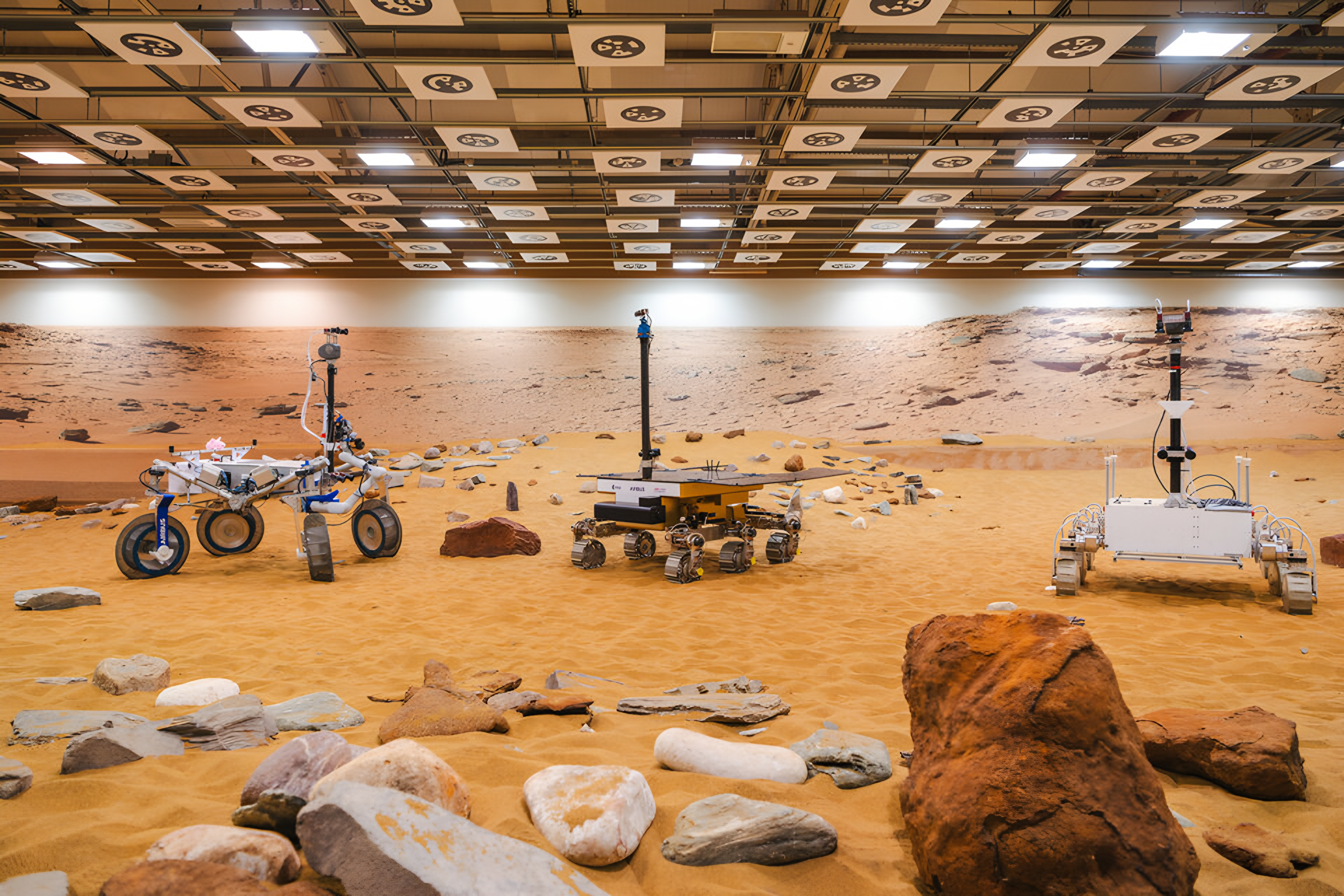
Rosalind Franklin Mars Rover (ESA): The rover has reached a critical 2028 launch milestone after receiving its first braking engines from NASA. The throttleable descent engines will slow the life-hunting rover from 45 m/s to under 3 m/s during Mars touchdown, advancing the mission toward its late-2028 landing target. This represents a major step forward in ESA's push to search for evidence of ancient microbial life beneath the Martian surface.
Deep Space Highlights
Europa Clipper
- Status: Spacecraft is in cruise phase toward Jupiter, having launched on October 14, 2024, aboard a SpaceX Falcon Heavy. The mission is scheduled to conduct an Earth gravity assist on December 1, 2026.
- What's New: Europa Clipper is approaching its first major trajectory adjustment. The spacecraft will receive an Earth gravity boost on December 1, 2026, to be redirected toward Jupiter. The mission is designed to conduct a detailed science investigation of Jupiter's moon Europa, studying whether subsurface oceans could support life.
James Webb Space Telescope — Interstellar Comet Study
- Status: JWST continues active observations of distant objects and phenomena.
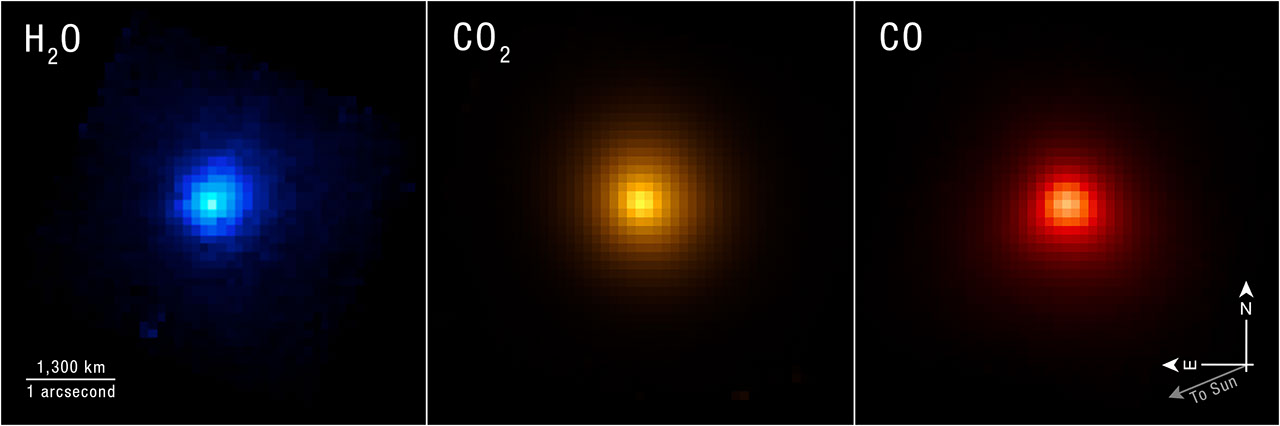
- What's New: NASA's James Webb Space Telescope has discovered clues pointing to the ancient, distant origin of interstellar comet 3I/ATLAS. The comet, which began moving away from the Sun in December 2025, has been studied in detail by JWST to reveal its composition and history, providing insights into the origins of interstellar visitors to our solar system.
Science Spotlight
Perseverance's Organic Carbon Discovery: The detection of macromolecular carbon and complex organic matter in Bright Angel rocks represents a significant step forward in understanding Mars' potential for past habitability. These organic signatures, found in mudstones deposited in an ancient river system billions of years ago, provide compelling evidence that the chemical building blocks necessary for life were present on Mars when conditions were more favorable.
Upcoming Events
- December 1, 2026: Europa Clipper scheduled to execute critical Earth gravity assist maneuver
- Late 2028: ESA's Rosalind Franklin rover targeted for Mars landing following completion of braking engine integration and final testing
- July–September 2026: Continued Perseverance sample analysis and potential additional drilling at promising geological formations
What to Watch Next
- Perseverance's Next Target: Scientists are likely to prioritize drilling and analyzing additional rock samples near the Bright Angel formation to further characterize the organic signatures and search for additional evidence of past habitability.
- Rosalind Franklin Progress: The upcoming integration and testing phases of the Rosalind Franklin rover's descent system will be critical milestones leading to its late-2028 launch window.
- Europa Clipper Trajectory Correction: The December 2026 Earth gravity assist will be a key event confirming the spacecraft remains on track for Jupiter orbital insertion in April 2030.
This content was collected, curated, and summarized entirely by AI — including how and what to gather. It may contain inaccuracies. Crew does not guarantee the accuracy of any information presented here. Always verify facts on your own before acting on them. Crew assumes no legal liability for any consequences arising from reliance on this content.
Powered by
