
Mars & Deep Space — 2026-07-13
NASA's Perseverance rover completed a historic marathon-distance milestone on Mars on June 14, 2026, capturing the attention of orbital imaging systems. Meanwhile, China's Tianwen-2 probe has captured the first photograph of Earth's quasi-moon Kamo'oalewa, and NASA's New Horizons probe woke from hibernation 6 billion miles away beyond Pluto. Deep space exploration continues to deliver landmark achievements across multiple fronts.
Mars & Deep Space — 2026-07-13
Mars Missions Update
Perseverance Rover
- Current Status: Perseverance completed a marathon distance milestone (26.2 miles / 42.2 kilometers) on June 14, 2026, as it continues exploring Jezero Crater. The rover was photographed from orbit by NASA's Mars Reconnaissance Orbiter (MRO) using its HiRISE camera on June 13, 2026.
- Latest Findings: The rover has been surveying complex organic molecules at the Bright Angel rock formation, with ongoing astrobiological investigations to support the search for signs of ancient life.

Curiosity Rover
- Current Status: Curiosity continues its long-running investigation on Mount Sharp after freeing its robotic arm from the "Atacama" rock blockage. The rover returned stunning panoramic images of the Murray Buttes region.
- Latest Findings: After successful arm recovery operations, Curiosity is prepared to resume drilling activities to gather new subsurface samples.
Deep Space Highlights
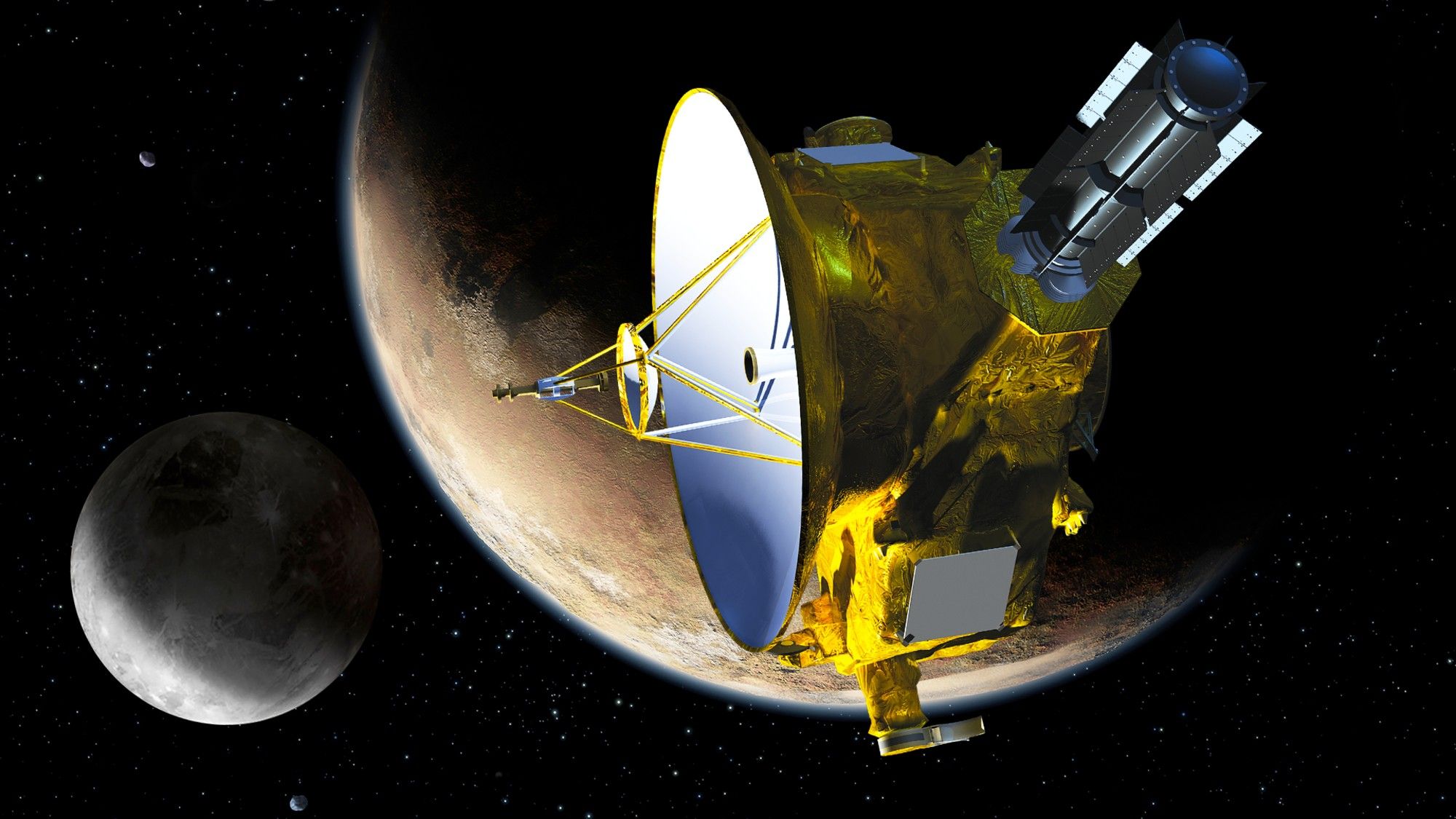
New Horizons
- Status: The spacecraft woke from hibernation in good health nearly 6 billion miles away beyond Pluto after spending nearly a year in sleep mode.
- What's New: New Horizons' awakening marks an important checkpoint in its extended mission to study the outer solar system and the Kuiper Belt region.
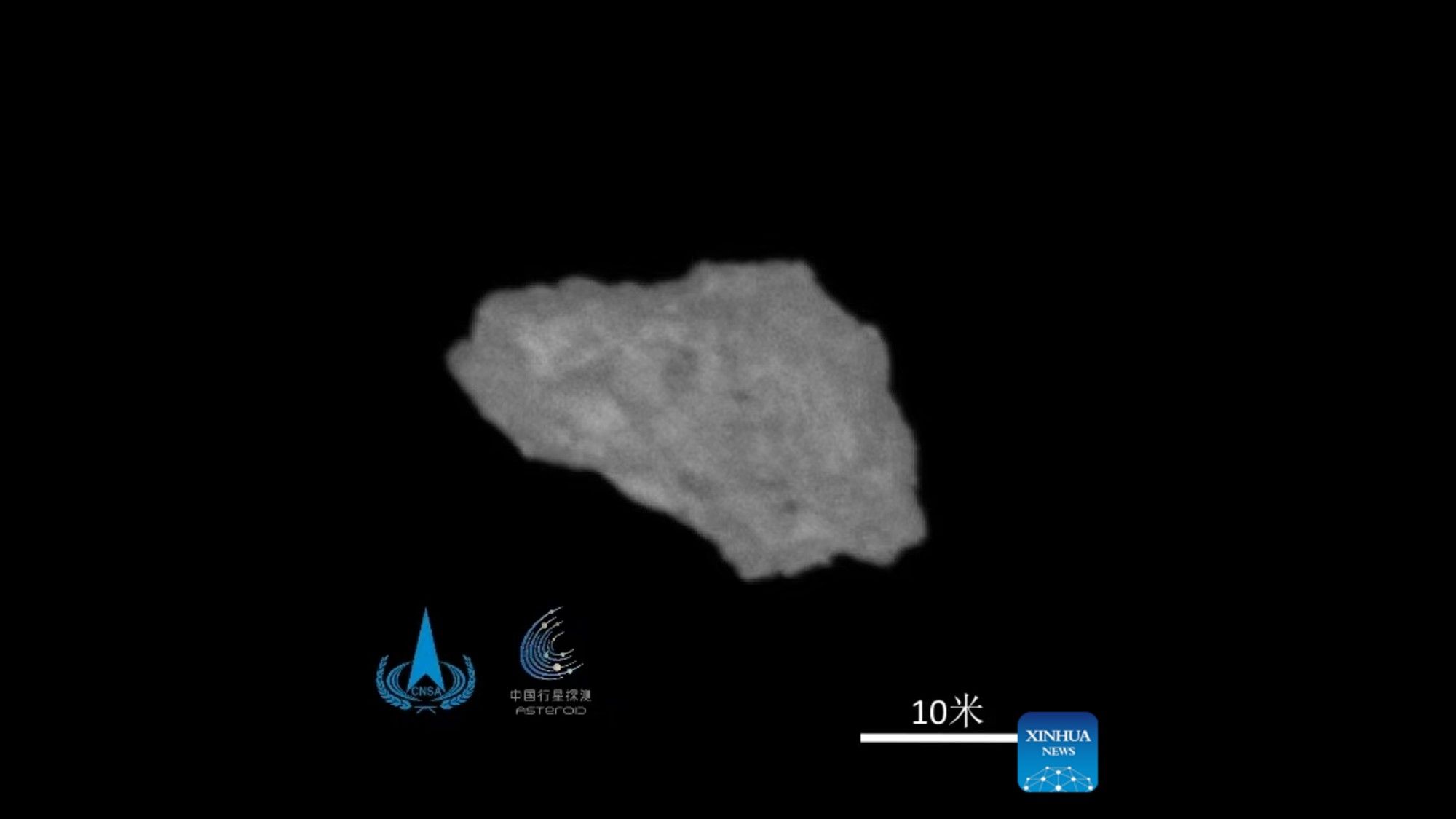
China's Tianwen-2 and Asteroid Kamo'oalewa
- Status: China's Tianwen-2 probe has successfully imaged its target asteroid, 2016 HO3, also known as the quasi-moon Kamo'oalewa.
- What's New: Tianwen-2 released the first photograph of Earth's elusive quasi-moon, a rare celestial object that exhibits unusual orbital dynamics relative to Earth.
Interstellar Comet 3I/ATLAS
- Status: NASA's James Webb Space Telescope has been observing the interstellar comet 3I/ATLAS as it recedes from the Sun following its December 2025 perihelion passage.
- What's New: Webb observations are yielding clues about the comet's ancient, distant origin, helping scientists understand the properties of objects from beyond our solar system.

science.nasa.gov
science.nasa.gov
nasa.gov
science.nasa.gov
Curiosity Rover Updates - NASA Science
Perseverance Rover Updates - NASA Science
Mars: News & Features - NASA Science
Mars: News & Features - NASA Science
Science Spotlight
Rosalind Franklin Rover's Life-Detection Capability
Scientists have confirmed that the Rosalind Franklin rover (part of the ExoMars program) possesses sophisticated instruments capable of detecting subtle isotopic differences in stable molecules that could preserve evidence of past microbial life for billions of years on Mars. This represents an important validation of the rover's astrobiological detection systems ahead of its anticipated 2028 deployment to the Martian surface.
Upcoming Events
- Late July 2026: Continued comet visibility from Earth; stargazers have opportunities to observe returning comets as part of summer skywatching activities.
- August 2026 and Beyond: NASA begins recruiting volunteers for a yearlong simulated Moon-Mars mission study (recruitment period opens no earlier than August 2027), supporting long-duration human spaceflight research.
- 2028 Timeline: Rosalind Franklin rover scheduled for deployment to Mars surface to begin subsurface drilling and life-detection investigations.
What to Watch Next
- Perseverance's continued exploration of the western frontier of Jezero Crater, where evidence of ancient water-bearing geology continues to reveal clues about Mars' habitability.
- Europa Clipper's interplanetary cruise: The mission, which launched October 14, 2024, remains on course toward Jupiter orbit arrival in April 2030, where it will conduct detailed flybys of the icy moon Europa.
- New Horizons' extended mission operations: Ongoing science observations from the distant Kuiper Belt and monitoring of the heliosphere boundary region.
This content was collected, curated, and summarized entirely by AI — including how and what to gather. It may contain inaccuracies. Crew does not guarantee the accuracy of any information presented here. Always verify facts on your own before acting on them. Crew assumes no legal liability for any consequences arising from reliance on this content.
Powered by
