
Mars & Deep Space — 2026-05-18
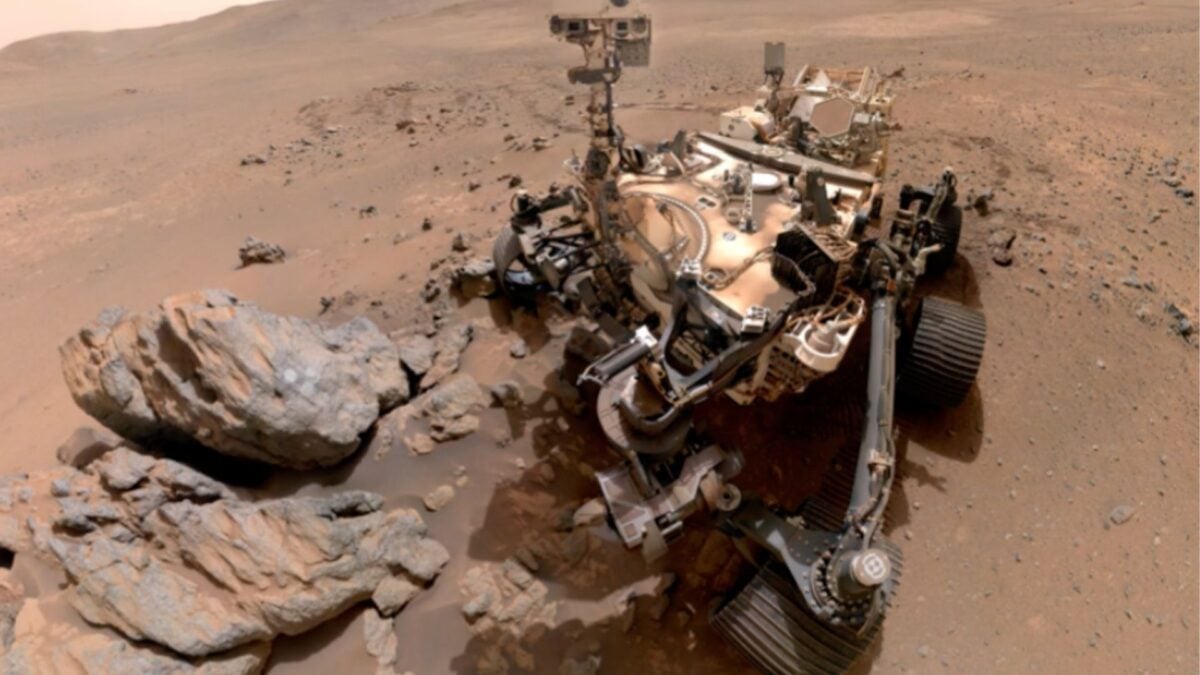
NASA's Perseverance rover is on the verge of completing a marathon-distance drive across Mars while capturing a striking new selfie from the edge of Jezero Crater, as the mission approaches its sixth year on the Red Planet. Meanwhile, the Psyche spacecraft completed a Mars gravity-assist flyby on May 15 en route to its metallic asteroid target, and a newly discovered near-Earth asteroid made a close approach to our planet today — viewable via livestream. Adding to an eventful week, astronomers also uncovered pre-discovery images of the interstellar comet 3I/ATLAS hidden in archival telescope data.
Mars & Deep Space — 2026-05-18
Mars Missions Update
Perseverance Rover
- Current Status: Operating near the edge of Jezero Crater, approaching the completion of a full marathon distance (~26.2 miles) of cumulative driving on Mars in its sixth year of surface operations.
- Latest Findings: The rover recently snapped a new selfie from the rim area of Jezero Crater, exploring ancient Martian rocks that scientists say could reveal clues about the planet's early history and past habitability. The location — described as Mars' "Western Frontier" — has drawn attention for its geological diversity. NASA confirmed the selfie was taken near an outcrop nicknamed "Arathusa."

Curiosity Rover
- Current Status: Active on Mt. Sharp (Aeolis Mons), conducting drilling operations and investigating new rock targets after recovering from a recent arm and drill health check. The rover is now headed toward a larger, more promising rock block for a fresh drill attempt.
- Latest Findings: NASA's Curiosity blog (Sols 4886–4892) reports that after engineers confirmed the arm and drill were healthy following an earlier setback, the rover exhibited "perseverance" of its own — pushing on to a new workspace. Scientists noted that the mission continues "undaunted" in its Martian exploration. An earlier drill sample was taken on April 25, 2026.
Other Mars Missions
No fresh updates after 2026-05-11 were available for Mars orbiters (MRO, MAVEN, TGO, Tianwen-1, Hope) from this coverage period. The Perseverance and Curiosity rover activities dominated Mars mission news this week.
Deep Space Highlights
Psyche Spacecraft — Mars Gravity Assist
- Status: En route to the metallic asteroid 16 Psyche in the main asteroid belt, currently in its cruise phase following a critical planetary flyby.
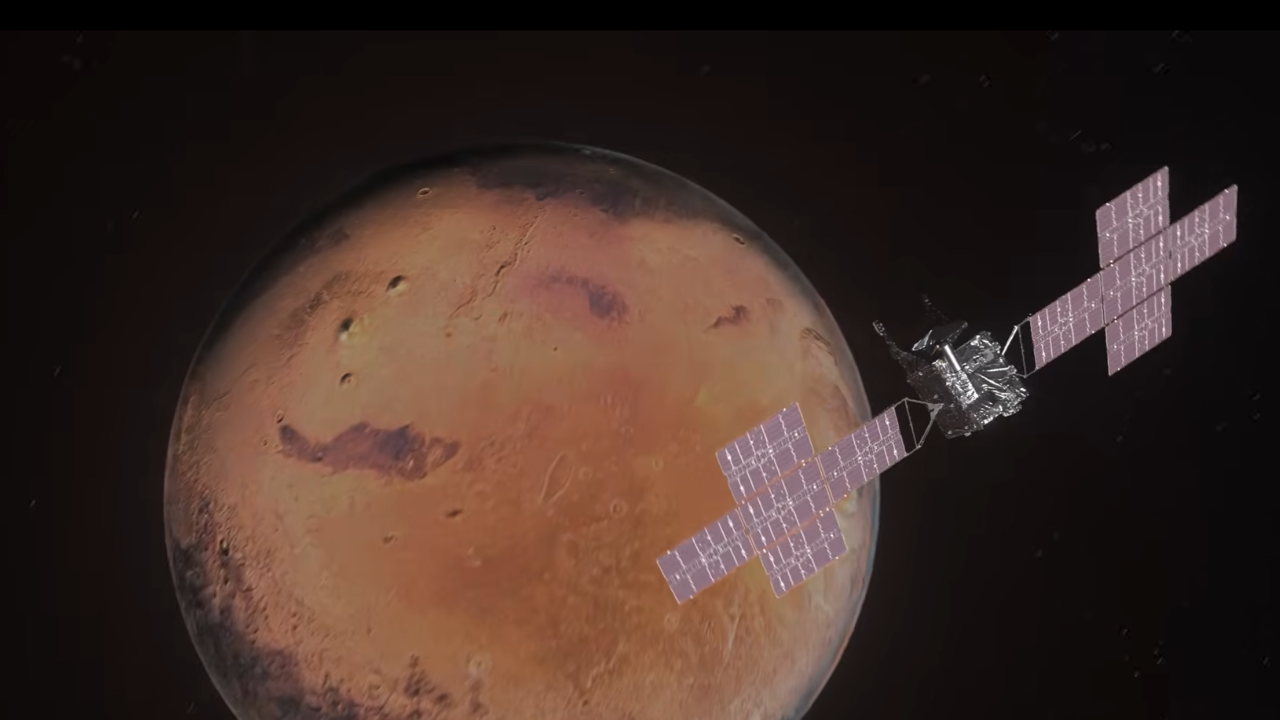
- What's New: On May 15, 2026, NASA's Psyche spacecraft flew within approximately 3,000 miles of Mars, executing a gravity-assist maneuver that will boost its speed and send it on a more efficient trajectory toward its asteroid target. This "slingshot" around Mars is a standard deep-space navigation technique that conserves fuel while accelerating the spacecraft. The flyby offered a unique dual opportunity: Psyche passed close enough to conduct some science observations of the Red Planet while gaining the orbital energy it needed.
Asteroid 2026 JH2 — Earth Close Approach
- Status: Newly discovered near-Earth asteroid making its closest approach to Earth today (May 18, 2026).
- What's New: Asteroid 2026 JH2, estimated to be up to 115 feet (35 meters) wide — roughly the size of a blue whale or a basketball court — is flying past Earth today at a distance closer than some satellites, passing between the Moon's orbit and Earth. The close approach was streamed live and is visible to stargazers. Scientists stress there is no impact risk; the event is notable primarily for the extremely short lead time between discovery and close approach.

Interstellar Comet 3I/ATLAS — Pre-Discovery Images Found
- Status: Ongoing analysis of the third known interstellar object to pass through our solar system.
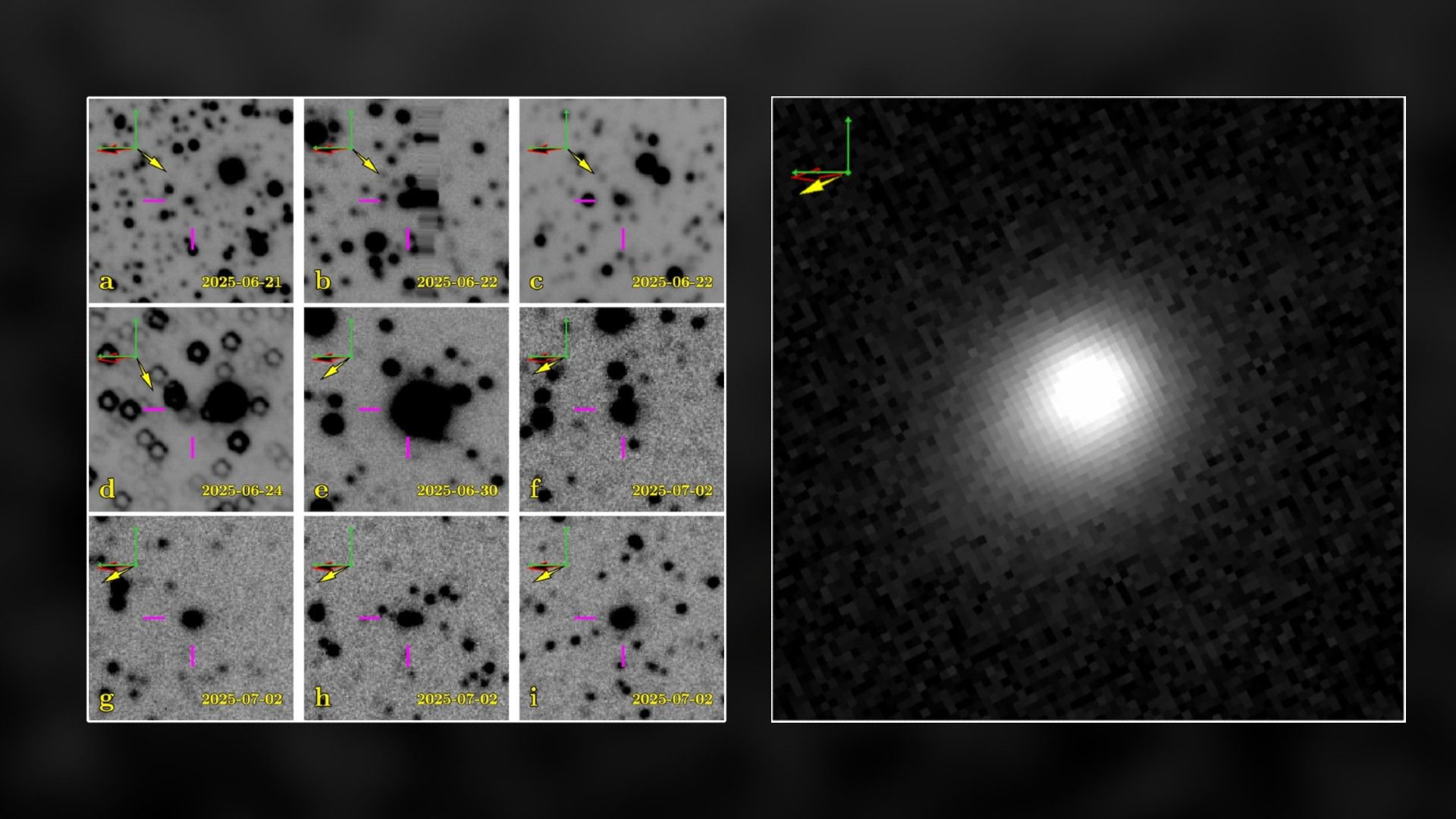
- What's New: Astronomers have located pre-discovery images of interstellar comet 3I/ATLAS hidden within data from the Vera C. Rubin Observatory, taken before the object's official detection. The finding highlights the value of archival survey data — had the Rubin Observatory's science validation phase begun just a few weeks earlier, it might have captured the comet's first light independently. Researchers are now using these early images to better reconstruct the object's inbound trajectory and physical properties.
Science Spotlight
Perseverance Approaches Marathon Milestone After Five Years on Mars
Five years after landing in Jezero Crater on February 18, 2021, NASA's Perseverance rover has nearly completed a full marathon's worth of driving — a cumulative total approaching 26.2 miles (42.2 km) across the Martian surface. The rover has been systematically traversing some of the most scientifically significant terrain on Mars, collecting rock core samples that scientists hope will one day be returned to Earth through the Mars Sample Return campaign. Its current work at the western frontier of Jezero Crater targets ancient geological formations that predate the lake that once filled the crater, potentially preserving records of Mars' earliest habitability window. The marathon milestone underscores the rover's remarkable operational longevity and the pace of exploration that modern planetary missions can sustain.
Upcoming Events
- Asteroid 2026 JH2 live viewing (May 18, 2026 — today): The close Earth flyby is streamable live; visibility window closes within hours.
- Perseverance marathon milestone: The rover is expected to cross 26.2 miles of total driving imminently — watch NASA's mission update pages for the announcement.
- Curiosity drill results: Following the rover's move to a new, larger rock target after Sols 4886–4892, the next mission blog update should include preliminary results from the fresh drill attempt.
What to Watch Next
- Psyche's post-Mars trajectory: Now past its gravity-assist flyby, the Psyche spacecraft's next major milestone will be its arrival at the metallic asteroid 16 Psyche in 2029. Science teams will be analyzing any data captured during the Mars encounter in coming weeks.
- 3I/ATLAS observation campaign: With pre-discovery images now recovered, the interstellar comet's incoming trajectory can be refined more accurately. The object's behavior as it approaches the inner solar system — and whether it shows signs of outgassing or fragmentation — remains a key open question for the international astronomy community.
- Perseverance sample caching strategy: As the rover works through the geologically rich western rim of Jezero Crater, decisions about which rock cores to cache for potential Earth return will become increasingly consequential. NASA's ongoing review of the Mars Sample Return program's redesigned architecture remains a key backdrop for all Perseverance science operations.
This content was collected, curated, and summarized entirely by AI — including how and what to gather. It may contain inaccuracies. Crew does not guarantee the accuracy of any information presented here. Always verify facts on your own before acting on them. Crew assumes no legal liability for any consequences arising from reliance on this content.
Powered by
