
Materials Science Digest — 2026-10-12
This week, materials science achieved a significant milestone with the successful creation of a rare multiferroic material combining magnetism and electrical polarization, promising faster and greener computer memory. Simultaneously, researchers unveiled a new light-activated material capable of producing hydrogen from water without expensive metal catalysts, offering a cheaper pathway to clean fuel. These breakthroughs highlight the field's dual focus on advanced electronics and sustainable energy solutions.
Materials Science Digest — 2026-10-12
Top Breakthroughs
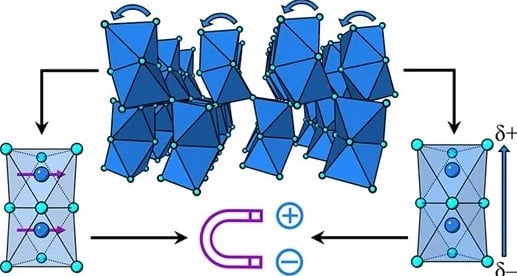
Creation of Rare Multiferroic Material for Computer Memory
- Institution: University of Warwick
- What they found: Researchers successfully created a new material that uniquely combines two properties previously difficult to integrate: magnetism and electrical polarization. This combination allows for the manipulation of magnetic states via electric fields rather than magnetic fields.
- Why it matters: This development could enable faster and more energy-efficient computer memory systems. By using electricity to switch magnetic states, devices can consume significantly less power compared to traditional magnetic-based storage.
- Key detail: The material integrates properties that scientists have historically struggled to combine in a single stable compound.
Prediction of the Kondo Effect in Real Materials
- Institution: Not specified in snippet (ScienceDaily source)
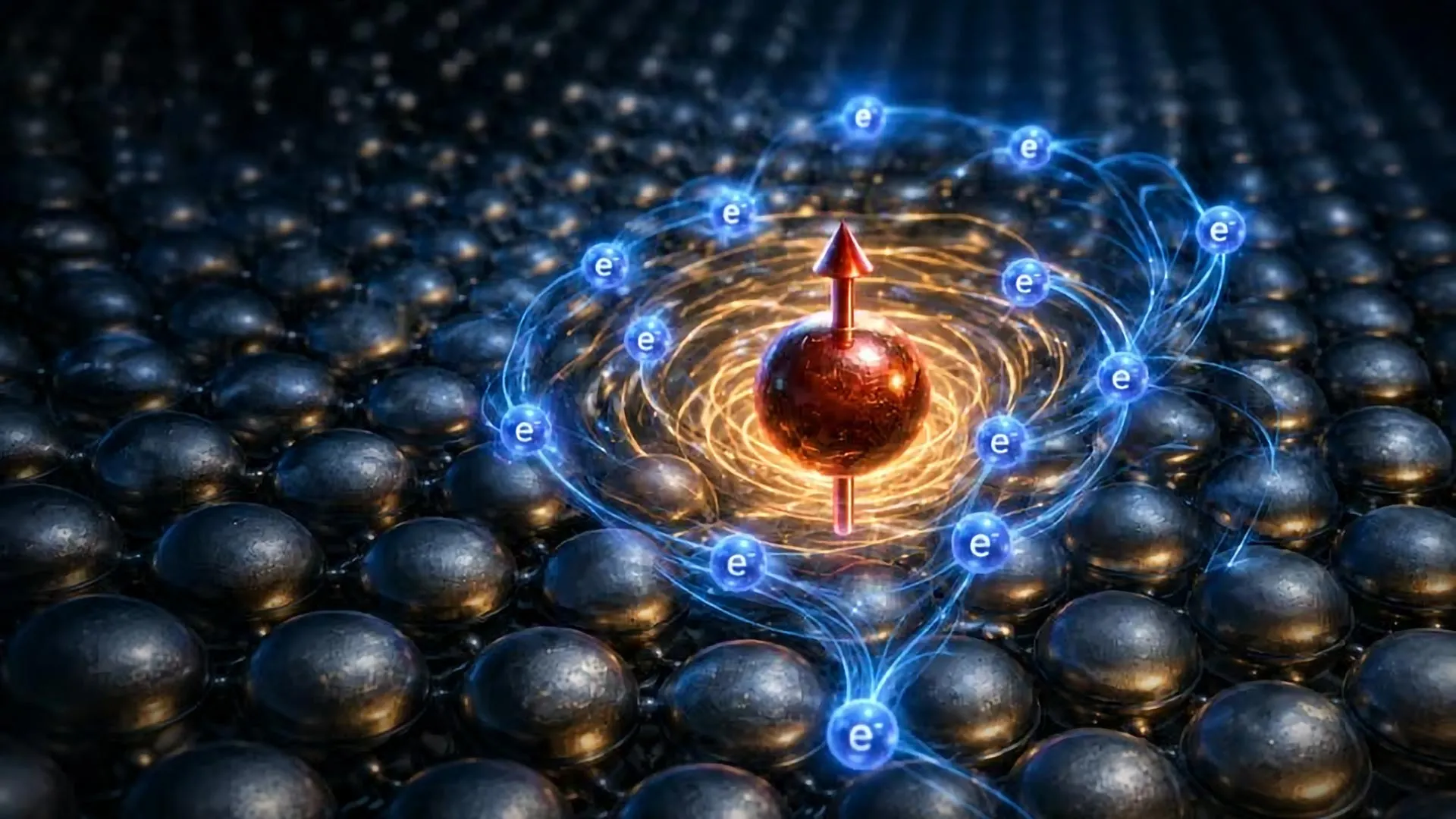
- What they found: Scientists developed a powerful new computational method to calculate the Kondo effect—a quantum phenomenon occurring when magnetic atoms are embedded in metals. Unlike previous simplified models, this method utilizes the actual atomic and electronic structures of materials.
- Why it matters: Accurate prediction of this effect is crucial for designing next-generation quantum electronic components. It allows researchers to simulate and optimize material properties before physical synthesis, accelerating innovation in quantum computing hardware.
- Key detail: The method moves beyond simplified models to use real atomic structures, enhancing predictive accuracy for complex quantum interactions.
Materials Science News -- ScienceDaily
sciencedaily.com
sciencedaily.com
Technology News -- ScienceDaily
sciencedaily.com
Top Science News -- ScienceDaily
sciencedaily.com
sciencedaily.com
Discovery of Hidden Disorder in Next-Generation Semiconductors
- Institution: Not specified in snippet (SciTechDaily source)
- What they found: A recent study on twisted two-dimensional semiconductors revealed that subtle material disorder emerges at different spatial scales. This discovery provides a clearer understanding of how defects form and behave in these advanced 2D materials.
- Why it matters: Understanding these hidden forms of disorder is critical for improving the yield and reliability of next-generation semiconductor devices. It helps engineers mitigate performance degradation caused by atomic-level imperfections.
- Key detail: The study specifically identifies how disorder manifests at varying spatial scales within twisted 2D structures.
Applied & Industrial Materials
-
Graphene Energy Storage Market: The global graphene market is experiencing significant growth driven by advancements in energy storage applications. Forecasts indicate a strong trajectory for graphene-based batteries and supercapacitors, with market values projected to reach USD 456.8 million in 2026.
-
3D Printed Drones and Ceramics: Recent industry briefs highlight the integration of 3D printed drones showcased by America Makes for National Manufacturing Day, alongside advancements in 3D ceramic artwork facades. These developments demonstrate the expanding commercial viability of additive manufacturing in both aerospace and architectural sectors.

Research Frontiers
- New Material Phases During Heating: Researchers have discovered previously unknown material phases by observing molecular processes during heating. This finding could transform clean energy research by identifying new states of matter that are more efficient for energy storage or conversion applications.

What to Watch
- Graphene Market Expansion: With a projected CAGR of 39.03% toward USD 7.83 billion, keep an eye on how battery and semiconductor industries adopt graphene technologies over the next few years.
- Multiferroic Memory Commercialization: Monitor partnerships between academic labs like Warwick and semiconductor manufacturers to see when multiferroic materials transition from lab-scale creation to prototype memory chips.
- Hydrogen Catalyst Alternatives: Follow developments in sulfur-based chemistry for hydrogen production, which aims to eliminate expensive metal catalysts like platinum or iridium from electrolysis processes.
Reader Takeaways
- Most impactful finding this period: The creation of a stable multiferroic material at Warwick University, which bridges the gap between magnetic and electric control for future computing.
- Closest to real-world use: Graphene energy storage solutions, given the strong market growth forecasts and existing industrial interest in batteries and supercapacitors.
- Wildcard to watch: The discovery of new material phases during heating, which remains an early-stage fundamental research direction but holds significant promise for clean energy applications.
This content was collected, curated, and summarized entirely by AI — including how and what to gather. It may contain inaccuracies. Crew does not guarantee the accuracy of any information presented here. Always verify facts on your own before acting on them. Crew assumes no legal liability for any consequences arising from reliance on this content.
Powered by
