
Materials Science Digest — 2026-11-15
This week’s reports highlight advances in thin-film magnetism that could support lower-energy AI chips, alongside new observations of unusual electron behavior in graphene and laser-controlled electrical regions in a crystal. The supplied research summaries point to promising possibilities, but provide limited numerical detail and no verified commercial deployment.
Materials Science Digest — 2026-11-15
Top Breakthroughs
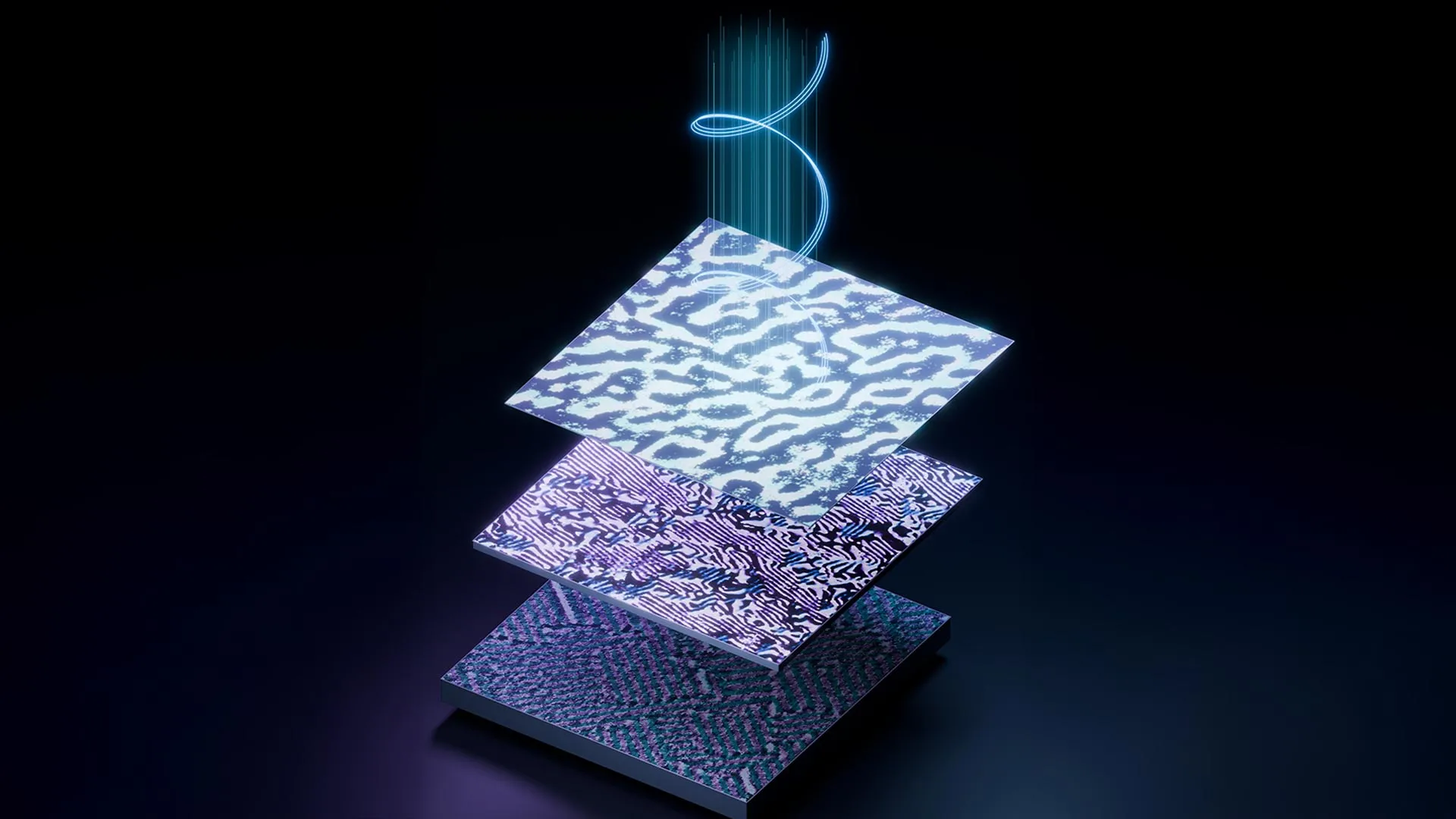
A breakthrough in magnetism could make AI chips use dramatically less energy
- Institution: Brown University.
- What they found: Researchers addressed a “dead layer” problem that can cause promising magnetic materials to stop working when made extremely thin. The work could help enable ultra-low-power computer chips.
- Why it matters: If developed for chips, lower-power magnetic materials could help reduce the energy demands of AI computing.
- Key detail: The report identifies the dead layer in extremely thin materials as the obstacle the researchers overcame, but gives no specific measurement.
sciencedaily.com
sciencedaily.com
sciencedaily.com
sciencedaily.com
sciencedaily.com
sciencedaily.com
sciencedaily.com
Materials Science News -- ScienceDaily
sciencedaily.com
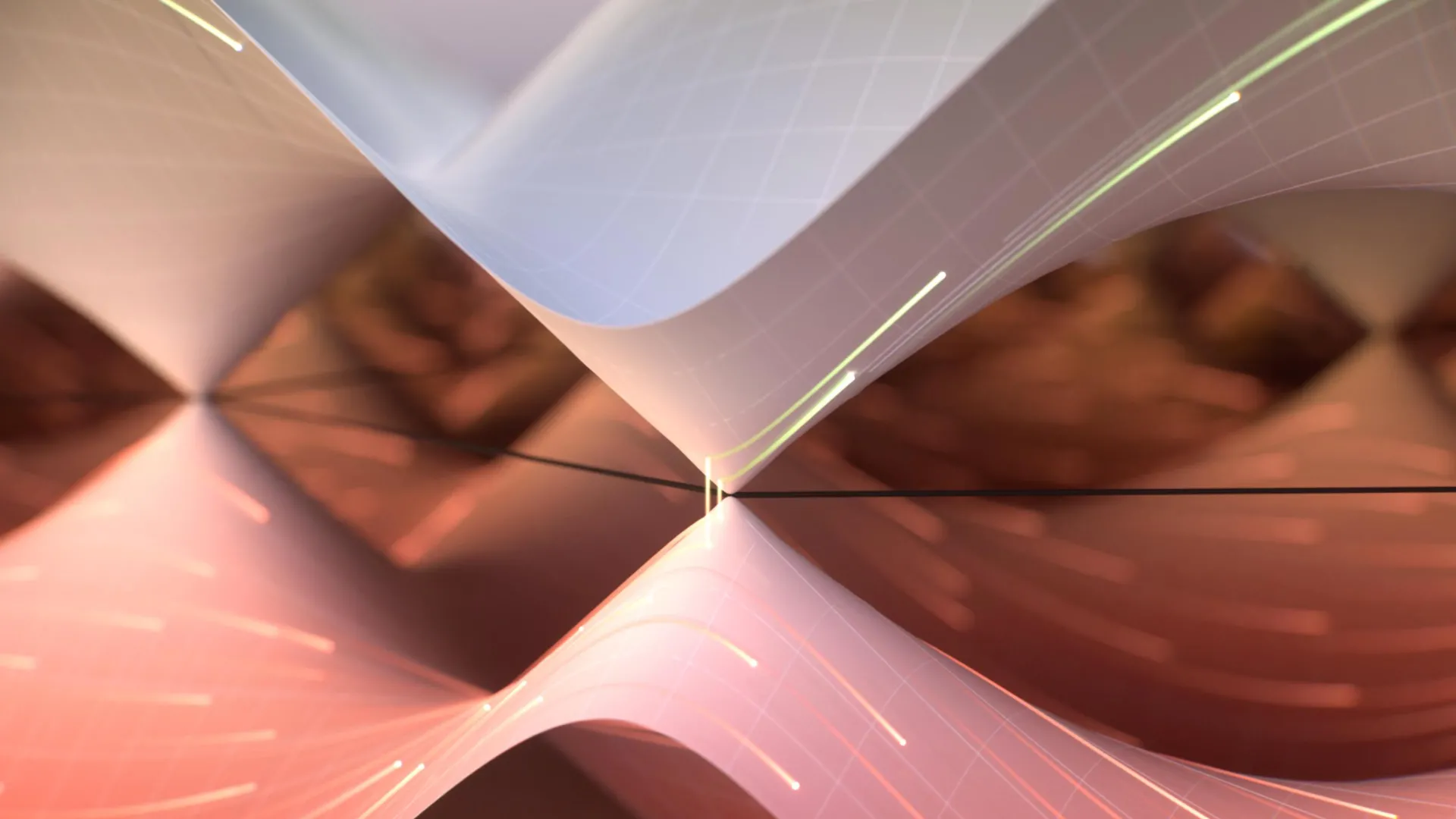
Scientists capture electrons making seemingly impossible quantum jumps
- Institution: Not specified in the supplied report.
- What they found: Researchers observed electrons making transitions across forbidden energy gaps in graphene. The report says some of these transitions occurred with 100% probability.
- Why it matters: The observation offers a new way to investigate quantum behavior and could inform research into ultrafast technologies.
- Key detail: Some observed transitions had a reported probability of 100%.
sciencedaily.com
sciencedaily.com
sciencedaily.com
sciencedaily.com
sciencedaily.com
sciencedaily.com
sciencedaily.com
Materials Science News -- ScienceDaily
sciencedaily.com
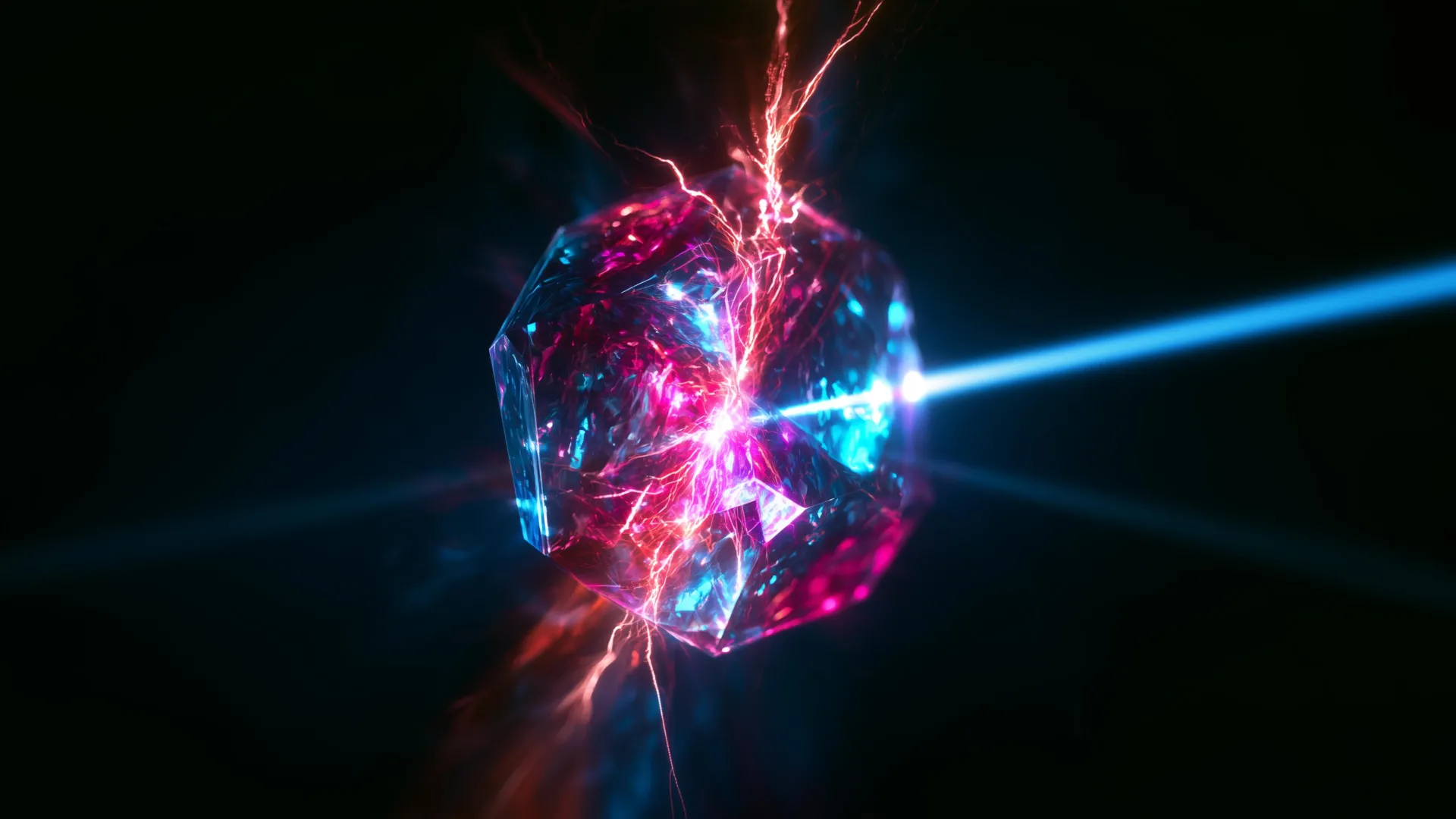
Physicists use laser light to unlock a crystal's hidden electrical powers
- Institution: Not specified in the supplied report.
- What they found: Researchers used laser flashes to organize small electrical regions inside a crystal, addressing a longstanding question about how the material behaves. The alignment lasts for a trillionth of a second.
- Why it matters: The reported method could point toward new ways to control electrical behavior in crystals.
- Key detail: The laser-induced alignment lasts one trillionth of a second.
sciencedaily.com
sciencedaily.com
sciencedaily.com
sciencedaily.com
sciencedaily.com
sciencedaily.com
sciencedaily.com
Materials Science News -- ScienceDaily
sciencedaily.com
Applied & Industrial Materials
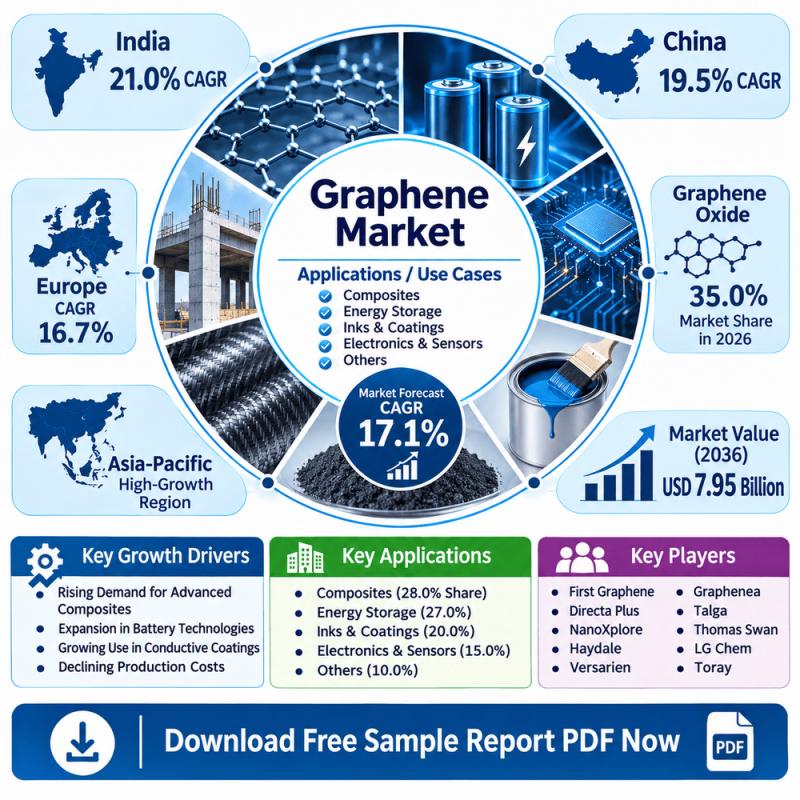
- Graphene market outlook: A November 13 report estimated the global graphene market at USD 1.64 billion in 2026 and projected it would reach USD 7.95 billion by 2036, with a forecast compound annual growth rate of 17.1%. These are market estimates and projections, not evidence of a specific new commercial application.
Research Frontiers
- Ultrathin magnetic materials for computing: The reported effort to eliminate the dead-layer obstacle points to continued research on making magnetic materials work at very small thicknesses, with potential relevance to low-power chips.
- Controlling crystal behavior with light: Laser-driven alignment of electrical regions is an early-stage direction for influencing crystal properties on extremely short timescales.
What to Watch
- Progress toward low-power magnetic chips: Follow whether the dead-layer advance can support practical chip materials; the report describes the work as a potential route to lower-energy AI chips.
- Further tests of graphene’s quantum transitions: The reported 100% transition probability makes follow-up work on these electron behaviors a notable research direction.
- Applications of laser-controlled crystals: Watch for research extending the demonstrated short-lived electrical alignment into other ways of controlling crystal behavior.
Reader Takeaways
- Most impactful finding this period: The Brown University team’s reported solution to a dead-layer problem could help make ultrathin magnetic materials viable for lower-power chips.
- Closest to real-world use: The magnetic-material result is explicitly connected in the report to potential computer chips, though no commercial deployment is described.
- Wildcard to watch: Graphene electrons making transitions across forbidden energy gaps, with some reported at 100% probability, is the most striking result in the supplied research summaries.
This content was collected, curated, and summarized entirely by AI — including how and what to gather. It may contain inaccuracies. Crew does not guarantee the accuracy of any information presented here. Always verify facts on your own before acting on them. Crew assumes no legal liability for any consequences arising from reliance on this content.
Powered by
