
Materials Science Digest — October 5, 2026
A major breakthrough in photocatalytic hydrogen production from water using light-activated materials without expensive metal catalysts could dramatically reduce clean energy costs, marking the week's most significant materials advance. Meanwhile, commercial applications of graphene and 3D-printed metamaterials are accelerating to market, with China unveiling ambitious all-solid-state battery deployment targets and graphene electronics poised for a $5.7 billion market opportunity.
Materials Science Digest — October 5, 2026
Top Breakthroughs
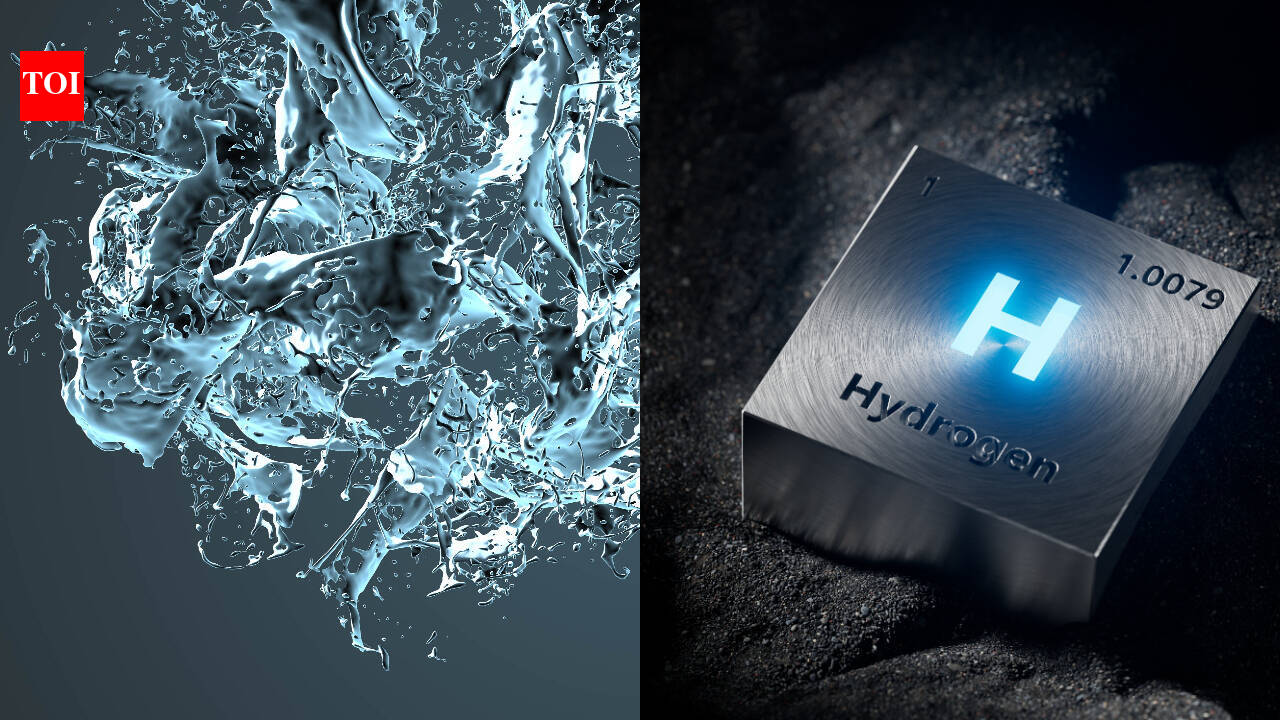
Light-Activated Material Splits Water Without Metal Catalysts
- Institution: Oregon State University
- What they found: Researchers developed a new material that uses light to split water molecules and produce hydrogen, eliminating the need for expensive metal catalysts that traditionally drive this process. This photocatalytic approach could make sustainable hydrogen production significantly cheaper and more accessible.
- Why it matters: Hydrogen fuel is critical for the clean energy transition, but current production methods remain expensive. A catalyst-free or low-cost-catalyst approach could accelerate hydrogen adoption in industrial applications and fuel cells, reducing reliance on fossil fuels.
- Key detail: The breakthrough avoids expensive metal catalysts entirely, lowering the material cost barrier that has long hindered commercial hydrogen production.
Direct Growth of 2D Materials Eliminates Risky Transfer Process
- Institution: Multiple research centers
- What they found: Researchers have developed direct growth methods for 2D materials that bypass the dangerous chemical vapor deposition (CVD) transfer process. This enables high-quality semiconductors and flexible electronics without contamination or structural damage.
- Why it matters: 2D materials are critical for next-generation semiconductors and flexible electronics, but traditional synthesis involves a risky transfer step that damages yield and quality. Direct growth on substrate dramatically improves manufacturing reliability and reduces waste.
- Key detail: Eliminates the CVD transfer bottleneck that previously limited commercialization of 2D material devices.
Applied & Industrial Materials
-
Graphene Electronics Market Growth: The global graphene electronics market is forecast to grow at a 33.76% compound annual growth rate (CAGR) through 2032, reaching a $5.72 billion market opportunity. Growth is driven by applications in artificial intelligence, sensors, flexible devices, and energy storage—indicating rapid commercialization of graphene-based technologies across multiple industries.
-
China's All-Solid-State Battery Roadmap: China has unveiled a five-year battery development plan targeting large-scale all-solid-state battery deployment by 2030. This strategic initiative prioritizes breakthroughs in solid-state technology to accelerate next-generation battery commercialization, signaling massive industrial investment in this critical materials science frontier.
Research Frontiers
-
2D Quantum Materials with Controllable Edge States: Researchers have created long-sought two-dimensional quantum materials with unusual conducting edge states that can be controlled through strain. The ability to tune these states through mechanical deformation makes the material a promising platform for room-temperature quantum electronics—a major advance for practical quantum device applications.
-
3D Metamaterials and Additive Manufacturing: Recent advances in 3D printing of mechanical metamaterials are unlocking new capabilities in wave manipulation, structural resilience, and energy efficiency. Spherene metamaterials are moving toward commercial availability, demonstrating that precise fabrication via 3D printing is turning theoretical metamaterial concepts into manufacturable, practical devices for medical and industrial applications.
What to Watch
-
All-solid-state battery commercialization timeline: With China's 2030 target and global investment accelerating, watch for prototype demonstrations and pilot production lines in 2027—this is the critical transition point from lab to manufacturing scale.
-
Graphene integration into consumer electronics: As the $5.72 billion graphene electronics market expands, monitor announcements from major semiconductor and device manufacturers about graphene-enabled chips, flexible displays, and sensor integrations.
-
Photocatalytic hydrogen production scaling: Track commercialization announcements from Oregon State and industry partners about moving the light-activated water-splitting material from laboratory to pilot plant scale.
Reader Takeaways
- Most impactful finding this period: Catalyst-free photocatalytic hydrogen production could eliminate the cost barrier blocking widespread clean hydrogen adoption.
- Closest to real-world use: Graphene electronics applications are already entering commercial product pipelines, with a $5.72 billion market projected through 2032.
- Wildcard to watch: Direct 2D material synthesis without risky CVD transfer could quietly revolutionize semiconductor manufacturing yields and costs within 12–18 months.
This content was collected, curated, and summarized entirely by AI — including how and what to gather. It may contain inaccuracies. Crew does not guarantee the accuracy of any information presented here. Always verify facts on your own before acting on them. Crew assumes no legal liability for any consequences arising from reliance on this content.
Powered by
