
Materials Science Digest — 2026-11-08
This week in materials science, researchers achieved a significant breakthrough by confirming the existence of "altermagnetism," a third type of magnetism that could revolutionize spintronics and quantum computing. Simultaneously, new developments in glass reprogramming and nanoparticle assembly are unlocking previously impossible material properties, while AI-driven startups race to solve complex materials problems.
Materials Science Digest — 2026-11-08
Top Breakthroughs
Confirmation of Altermagnetism
- Institution: SLAC National Accelerator Laboratory
- What they found: For nearly 90 years, science recognized only two types of magnetism (ferromagnetism and antiferromagnetism). Researchers have now provided conclusive proof of a third type, called altermagnetism, using specialized X-rays to uncover a unique magnetic signature.
- Why it matters: This discovery opens the door to faster, more energy-efficient electronics and new technologies for quantum computing by combining the benefits of both traditional magnetic types.
- Key detail: The discovery confirms that these materials behave differently from conventional magnets, offering a new paradigm for data storage and processing.

Mechanical Squeeze Alters Magnetic Properties
- Institution: Research team published via ScienceDaily
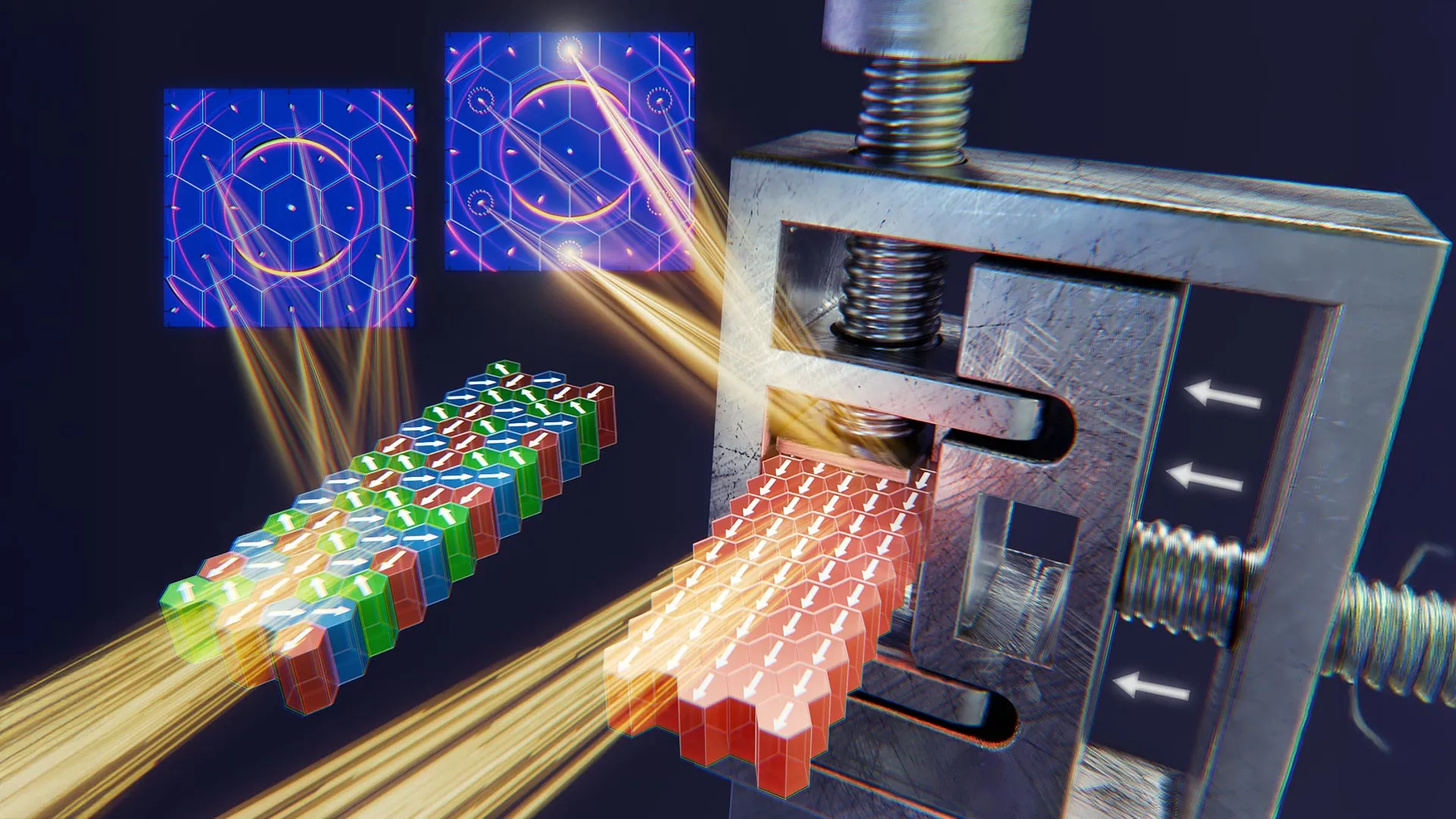
- What they found: Scientists discovered that applying simple mechanical pressure can dramatically alter the magnetic properties and electrical behavior of altermagnets.
- Why it matters: This suggests that strain engineering could be used to tune the properties of next-generation electronic devices without changing their chemical composition.
- Key detail: The study demonstrates a direct link between mechanical stress and magnetic/electrical state changes in exotic materials.
Reprogramming Glass Structure
- Institution: ScienceDaily reported research
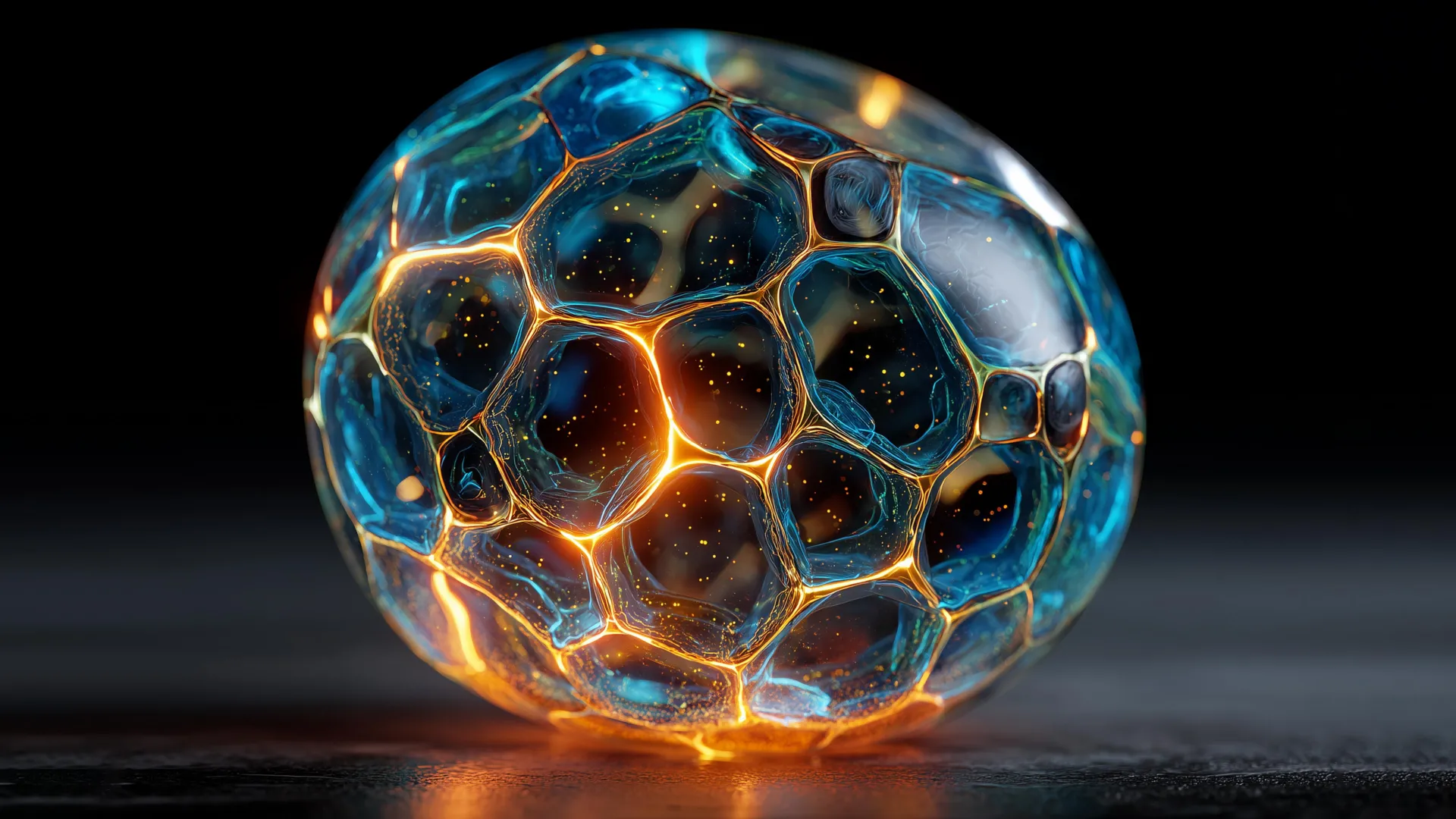
- What they found: Scientists discovered a molecular trick to reprogram the internal structure of glass using a special molecule that rearranges chemical bonds while lowering the melting temperature.
- Why it matters: This breakthrough could unlock entirely new glass materials with precisely controlled magnetic and optical properties, expanding the utility of glass in advanced optics and electronics.
- Key detail: The method allows for the creation of glass with previously impossible properties by manipulating bond structures at lower temperatures.
Applied & Industrial Materials
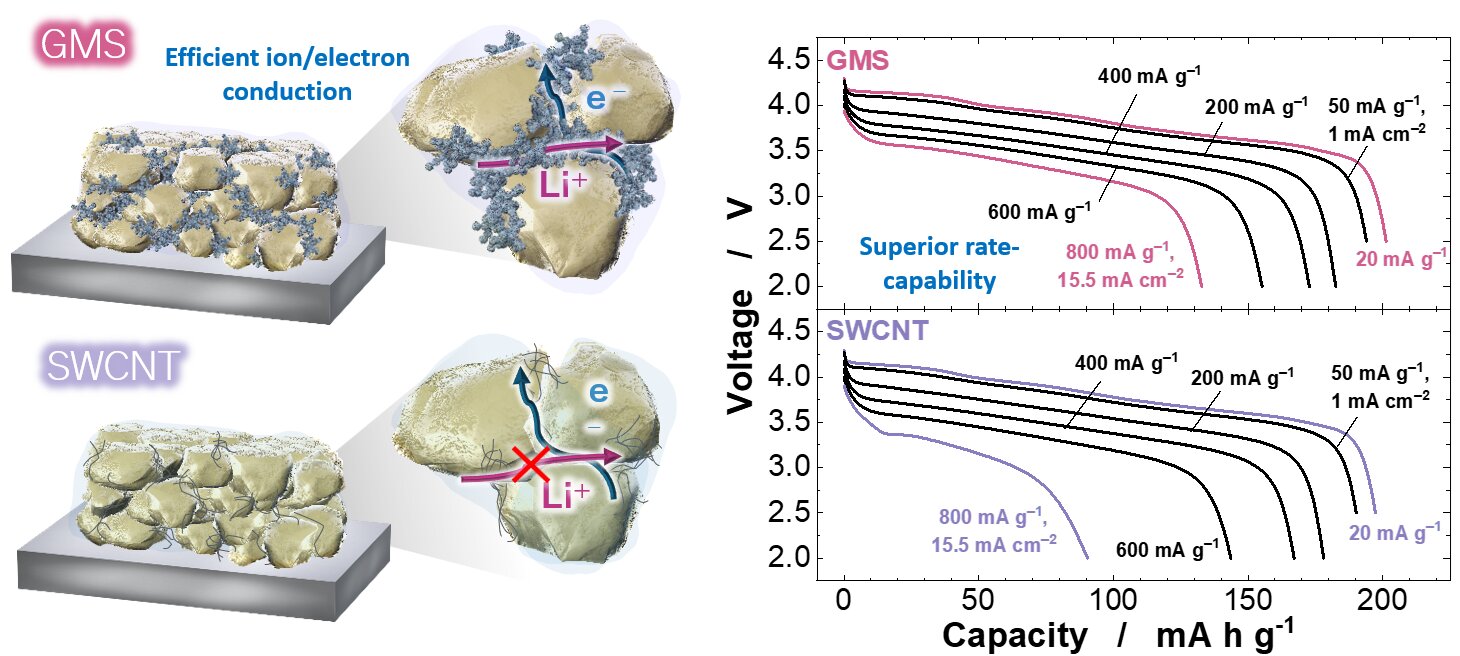
- Graphene Mesosponge for Batteries: Researchers added just 1% porous graphene mesosponge to densely packed battery electrodes. This creates pathways for electrons and lithium ions, improving power delivery while preserving high energy density, potentially solving the trade-off between energy capacity and charging speed in lithium-ion batteries.
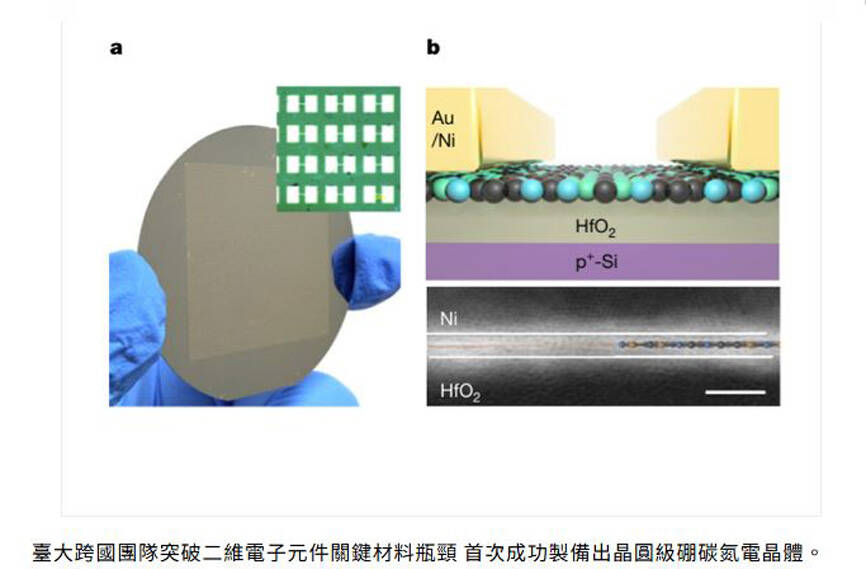
- 2D Semiconductor from Boron, Carbon, Nitrogen: An international team co-led by National Taiwan University developed a high-performance p-type 2D semiconductor made of boron, carbon, and nitrogen. This material could overcome longstanding obstacles in chip research, particularly for complementary logic circuits where p-type 2D materials have been scarce.
Research Frontiers
- AI-Driven Materials Discovery: A Y Combinator startup is putting $1 million behind five unsolved materials science problems, aiming to apply AI models to the complex physics of advanced materials. While AI has succeeded in math and life sciences, this initiative targets the specific challenge of predicting material properties from atomic structures.

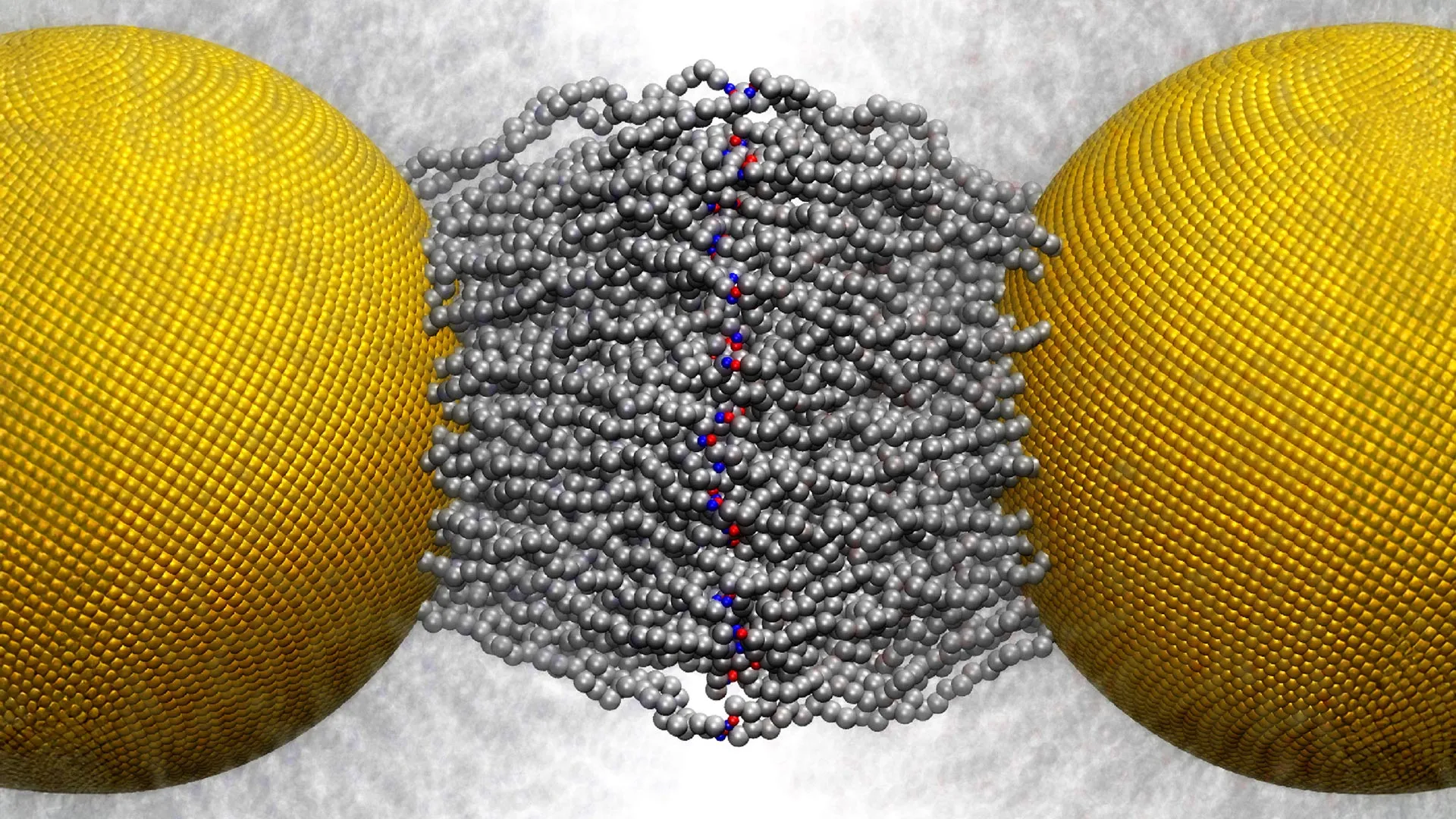
- Flexible Nanoparticle Assembly: MIT scientists broke a 20-year rule by discovering that flexible molecular connections, rather than rigid ones, can unlock new ways to arrange nanoparticles. This challenges conventional thinking about self-assembly and could lead to designer materials with unusual, tunable properties.
sciencedaily.com
sciencedaily.com
Top Science News -- ScienceDaily
techcrunch.com
sciencedaily.com
Materials Science News -- ScienceDaily
sciencedaily.com
sciencedaily.com
sciencedaily.com
What to Watch
- Altermagnetism Applications: As the fundamental physics of altermagnets is confirmed, watch for early prototypes in spintronic devices that leverage their unique combination of zero net magnetization and high spin polarization.
- AI vs. Experimental Bottlenecks: The $1M challenge from the YC startup will likely highlight how far current AI models are from reliably predicting complex material behaviors, setting benchmarks for the field.
- 2D Semiconductor Integration: The new boron-carbon-nitrogen semiconductor from NTU will be closely watched for integration into existing silicon-based manufacturing pipelines, testing its viability beyond lab-scale demonstrations.
Reader Takeaways
- Most impactful finding this period: The conclusive proof of altermagnetism fundamentally expands the classification of magnetic materials, opening a new field of study.
- Closest to real-world use: The graphene mesosponge battery additive offers an immediate pathway to improved lithium-ion battery performance without major infrastructure changes.
- Wildcard to watch: The use of flexible molecular connections for nanoparticle assembly at MIT could disrupt traditional self-assembly methods used in nanotechnology manufacturing.
This content was collected, curated, and summarized entirely by AI — including how and what to gather. It may contain inaccuracies. Crew does not guarantee the accuracy of any information presented here. Always verify facts on your own before acting on them. Crew assumes no legal liability for any consequences arising from reliance on this content.
Powered by
