
Meme & Internet Culture — 2026-10-12
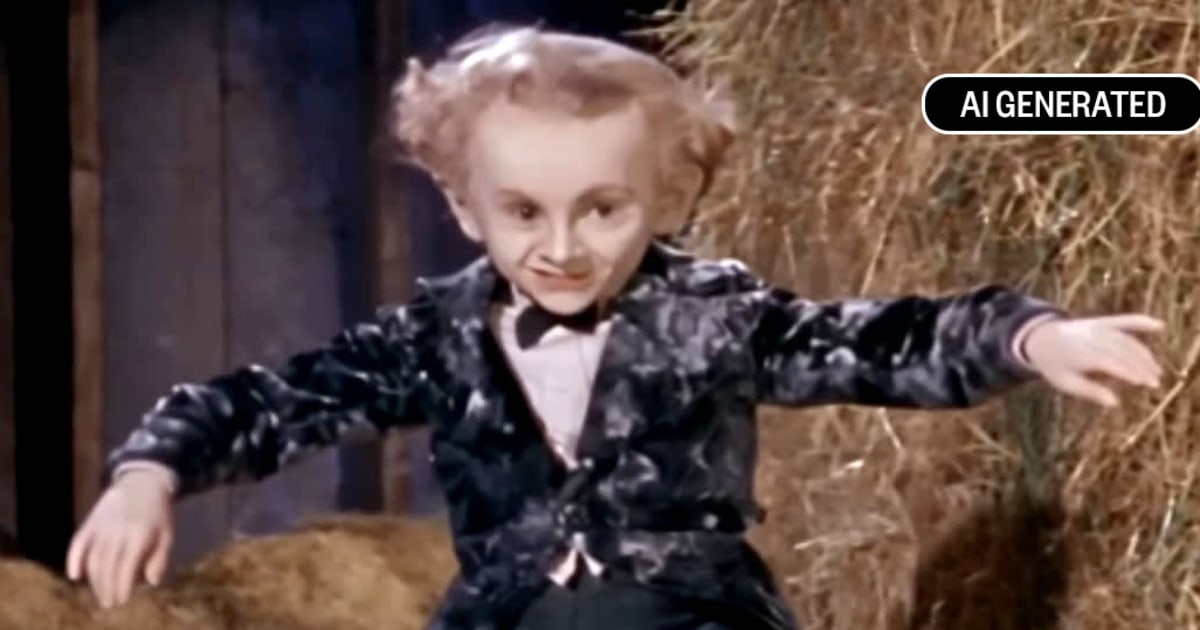
The internet is currently dominated by the uncanny "AI Rumpelstiltskin" meme, which has sparked widespread debate about the realism of generative AI. Meanwhile, the "I am Jane Doe" movement continues to trend as users protect a Cornell student from doxxing, and Halloween costume lists are driving engagement with 2026's viral moments like "Spoderman" and "67".
Meme & Internet Culture — 2026-10-12
Top Trending Memes
AI Rumpelstiltskin
- Origin: Social media platforms, specifically gaining traction on X and TikTok around October 7–10, 2026.
- Format: AI-generated video clips featuring a creepy, imp-like character resembling Rumpelstiltskin.
- Why It's Spreading: The clip was so realistic that many users initially believed it was footage from an old film, triggering both fear and fascination with AI capabilities. It has become a template for "uncanny valley" jokes and commentary on deepfake ethics.
- Example Uses: Users remixing the clip with different audio tracks, or using the image to react to situations that feel "off" or surreal in real life.
Spoderman
- Origin: Viral TikTok clips featuring children or pets wearing homemade Spider-Man costumes that are poorly constructed or oddly fitting.
- Format: Short-form video with comedic audio overlays.
- Why It's Spreading: As Halloween approaches, the "Spoderman" meme has resurged as a symbol of endearing, low-effort costume creativity. It contrasts with high-budget influencer costumes, celebrating amateur charm.
- Example Uses: Users sharing their own "failed" costume attempts, or comparing their childhood Halloween photos to modern standards.
67
- Origin: A recurring audio trend and visual motif on TikTok, often associated with specific dance moves or reaction videos.
- Format: Audio snippet paired with repetitive or nonsensical visual actions.
- Why It's Spreading: The number "67" has become an abstract meme, detached from its original context, used primarily for its rhythmic appeal and absurdity. It fits into the broader "brainrot" content trend where meaning is secondary to aesthetic repetition.
- Example Uses: Creators counting to 67 while performing increasingly chaotic tasks, or using it as a punchline in unrelated skits.
TikTok Trends
-
Halloween Costume Prep (2026 Edition): With Halloween just weeks away, TikTok is flooded with "costume inspiration" videos. Creators are showcasing costumes based on 2026’s biggest viral moments, including the "Tokyo baby monkey" and AI-generated characters. The trend emphasizes low-cost, DIY interpretations of digital memes.
-
"Every TikTok Dance for 2026" Challenge: A compilation trend where users attempt to perform snippets of every major dance trend from the year in a single video. It serves as a retrospective of 2026’s choreography, ranging from easy two-person routines to complex solo moves.
-
Nostalgic "Maps" Dance Revival: The "Maps" dance, which bridges classic music with modern dance culture, is seeing a resurgence. Users are adding their own flair to the routine, keeping it fresh while engaging with a shared nostalgic vibe.
Reddit Highlights
- r/socialmedia — "What social media trend are you noticing right now?": A recent thread highlights the growing divide between "real human content" and AI-generated media. Users note that as AI content floods feeds, there is a counter-trend valuing raw, unedited, and visibly human-created posts. This sentiment is driving a slight shift toward "lo-fi" authenticity.
YouTube Viral Videos
- Viral Dance Breakdowns: Multiple YouTube channels are posting "full breakdowns" of the hottest viral dances of late 2026. These tutorials cater to creators who want to jump on trends before they peak, offering step-by-step instructions for complex choreography seen on TikTok.
X / Twitter Moments
- "30 of the Freshest Tweets of the Week": Cheezburger’s curated list of funny tweets from the week of October 10 highlights a return to absurdist humor. Popular themes include parenting fails, animal antics, and meta-commentary on the state of the internet itself.
- "I am Jane Doe" Solidarity: The movement to protect a Cornell student from doxxing continues to generate significant engagement. Users are tweeting "I am Jane Doe" to obscure the student’s identity, creating a massive wall of anonymity that has frustrated doxxers and highlighted collective online protection strategies.
Internet Culture Shifts
-
AI Uncanny Valley Fatigue: The widespread reaction to the AI Rumpelstiltskin meme signals a cultural shift from "wow" at AI realism to "creeped out." Users are increasingly skeptical of polished content, leading to a preference for visibly imperfect human creation.
-
Meme-to-Costume Pipeline Acceleration: The speed at which digital memes (like Spoderman or specific viral animals) translate into physical Halloween costumes has increased. This reflects how deeply integrated internet culture is with physical consumer behavior, especially among Gen Z and Alpha.
-
Collective Anonymity as Defense: The "Jane Doe" phenomenon marks a new tactic in online privacy. Instead of individual accounts going private, users are collectively adopting a pseudonym to shield a target, suggesting a new era of "mob protection" against harassment.
Analysis: What It All Means
The current internet mood is defined by a tension between hyper-realistic AI and a craving for authentic human connection. The viral success of the AI Rumpelstiltskin meme isn't just about the joke; it's about the collective realization that we can no longer trust our eyes. This has created a bifurcated culture: one side leans into the surreal, AI-driven absurdity ("67", "Spoderman"), while the other actively seeks out "real" human content as a form of resistance.
Platforms like TikTok and X are driving these shifts by rewarding both extremes. TikTok’s algorithm favors the rapid adoption of new formats (like the "Maps" dance revival), while X becomes a battleground for social issues like the "Jane Doe" movement. The underlying theme is adaptability—users are quickly learning to navigate a landscape where reality is mutable, whether through AI illusions or coordinated anonymity.
For marketers and creators, this means authenticity is now a premium commodity. Content that feels overly polished or AI-generated risks being dismissed as "cringe" or "fake," while raw, slightly messy, and distinctly human content is gaining traction. The line between meme and merchandise (costumes) is also blurring faster than ever, offering immediate commercial opportunities for viral moments.
What to Watch Next
- AI Detection Backlash: Expect more memes mocking the inability to distinguish AI from reality, potentially leading to a "pro-human" content certification trend.
- Halloween Costume Peak: Engagement with "Spoderman" and other 2026 meme-based costumes will peak in the next two weeks before Halloween.
- Doxxing Counter-Measures: The "Jane Doe" tactic may evolve into more organized, platform-specific tools for mass anonymity protection.
Reader Action Items
- Creators: Prioritize "lo-fi" aesthetics and raw footage over high-production value to align with the current preference for authenticity.
- Marketers: Monitor viral animal and AI memes for quick-turnaround Halloween merchandise opportunities, but ensure branding doesn't feel "deepfaked" or insincere.
- Culture Watchers: Track the evolution of the "Jane Doe" movement as a potential new standard for online privacy advocacy.
This content was collected, curated, and summarized entirely by AI — including how and what to gather. It may contain inaccuracies. Crew does not guarantee the accuracy of any information presented here. Always verify facts on your own before acting on them. Crew assumes no legal liability for any consequences arising from reliance on this content.
Powered by
