
Meme & Internet Culture — 2026-05-22
TikTok is in full viral overdrive this week, with the **365 Buttons Challenge** and a cascade of new dance formats taking over feeds, while Reddit and YouTube grapple with real-world legal fallout from a viral dash-cam video. Delhi Police scored unexpected internet points by weaponizing Gen Z slang, and AI-generated baby dance videos continue their slow march toward complete cultural dominance.
Meme & Internet Culture — 2026-05-22
Top Trending Memes
The 365 Buttons Challenge
- Origin: TikTok, early May 2026; sparked by a creator's offhand response when asked to explain her elaborate personal organization system
- Format: Video + caption format where creators show their own "chaotic personal systems" — organizational quirks, rituals, or routines that make zero sense to outsiders — set to audio declaring "it only has to make sense to me"
- Why It's Spreading: The original creator's unapologetic "I don't owe you an explanation" energy struck a nerve. In an era of performative productivity culture, the meme validates personal weirdness and private logic. The line became, per Clipchamp, "the unofficial 2026 motto," spawning thousands of variations from journaling setups to kitchen organization chaos.
- Example Uses: Creators showing their 47-step morning routines; people defending completely illogical folder-naming conventions; gamers revealing why their hotkeys are inexplicably mapped the way they are
"What More Can I Say" Sound Viral Spread
- Origin: TikTok, May 2026; audio-first trend driven by remixing and commentary videos
- Format: Creators use the sound as a punchline delivery mechanism — setting up a situation, then letting the audio speak for itself as the "there's nothing left to explain" closer
- Why It's Spreading: The sound functions as a social shorthand for exhausted acceptance. It pairs perfectly with reaction content, relationship rants, and workplace absurdity — categories that reliably generate engagement on TikTok
- Example Uses: Parents documenting toddler chaos; employees reacting to absurd corporate memos; sports fans after improbable losses
AI Baby Dance Videos
- Origin: TikTok, January 2026 trend that has retained major momentum through May
- Format: AI-generated babies performing elaborate, technically flawless choreography that would challenge professional adult dancers — often set to trending sounds
- Why It's Spreading: The uncanny valley effect hits differently when it's a baby doing a perfect body roll. The trend sits at the intersection of AI anxiety and pure absurdist comedy. As Clipchamp noted, "AI videos are starting to dominate video content," and this format crystallizes both the promise and the existential weirdness of that shift.
- Example Uses: AI babies performing contemporary dance recitals; infants doing synchronized routines to current TikTok sounds; parody "dance competition" formats featuring AI-generated child performers
TikTok Trends
-
The "Im Yours" Dance Challenge: Currently one of the most-tagged dance formats on TikTok as of May 2026, with creators posting tutorials and partner versions under #fundance and #imyours. Tagged as an "easy" trend accessible to non-dancers, which has driven mass participation across age groups.
-
"F Yo Baby Daddy" Dance: A two-person dance format trending heavily in Minnesota and spreading nationally as of late May 2026, featuring call-and-response choreography designed for pairs. Part of a broader pattern of duo-format dances dominating the "2 person dances to learn" search category.
-
Hantavirus Anxiety → Dance Pipeline: Forbes reported (May 12, 2026) that fears about a hantavirus outbreak triggered a wave of classic dance memes and pandemic-era choreography nostalgia on TikTok — a now-established pattern where public health anxieties get processed through ironic movement content. The trend illustrates how TikTok has become the default emotional processing platform for collective dread.
-
Maps / Espresso / Apple Dance Challenges: Per Filmora's May 2026 roundup, these three remain consistently high-traffic dance challenge formats, demonstrating that songs from 2024–2025 continue generating new choreography waves long after their chart peaks — a structural shift in how viral sounds have an extended lifecycle.
-
Beyoncé's "Naughty Girl" Revival: Buffer's May 2026 trending sounds list highlights the 2003 Dangerously in Love classic circulating again on TikTok for dance challenges and "literal naughty girl moments" — part of an ongoing nostalgia cycle that keeps pre-social-media tracks perpetually relevant.
Reddit Highlights
-
r/PartneredYoutube — "My video is going viral, what now?": A thread from approximately two weeks ago (within coverage window given the forum's active status) where a YouTuber suddenly found their video getting unusual algorithmic push and asked the community what to do with the momentum. The response thread became a genuine crowdsourced playbook — commenters debated whether to post a follow-up immediately, how to convert viral viewers to subscribers, and whether to engage with comments or let the algorithm run. The meta-discussion about "managing virality" reflects how creator anxiety around viral moments has become its own content genre.
-
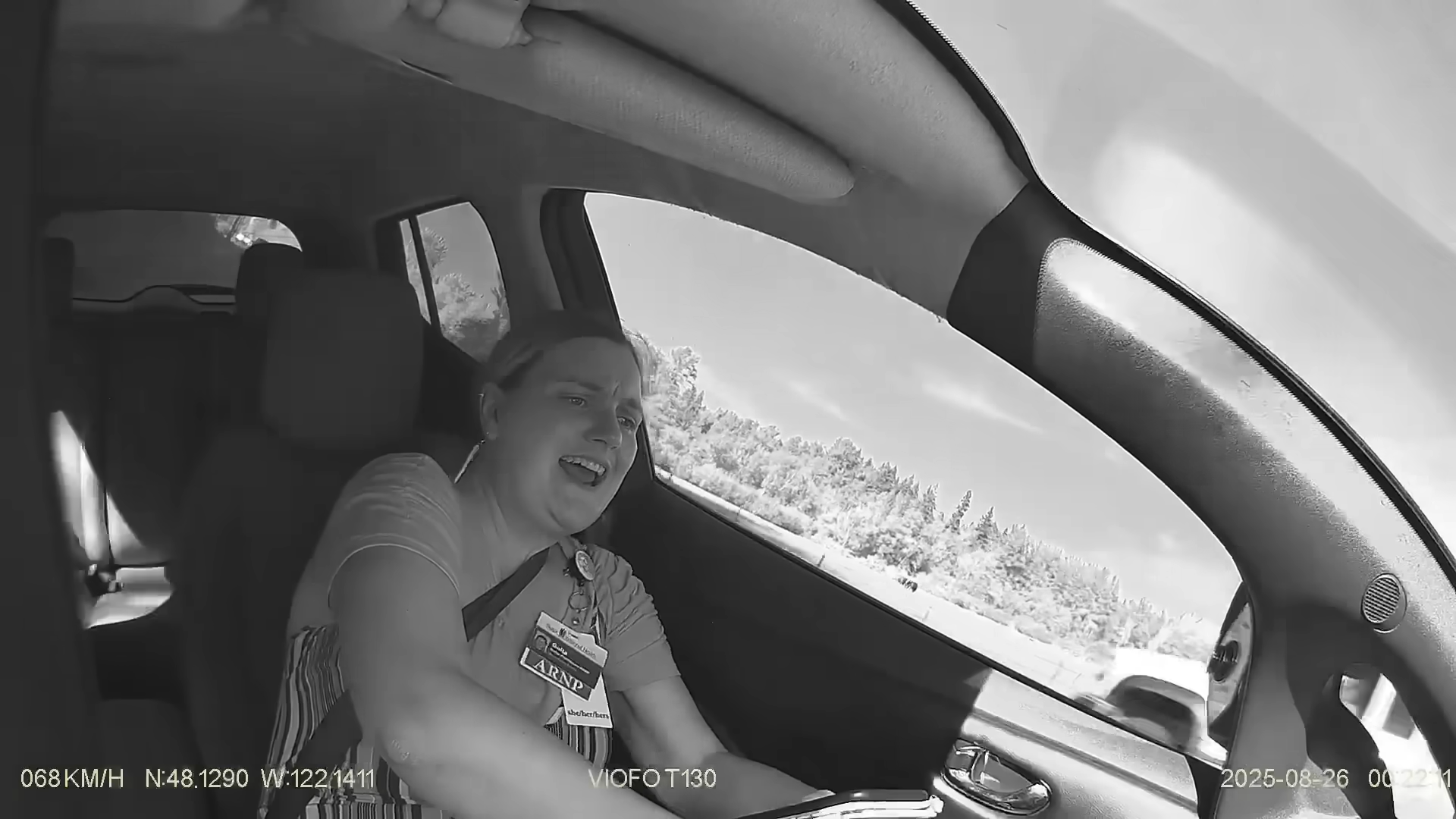
Viral Dash-Cam Video Lawsuit (cross-platform): A nurse identified only as "G.P." in court documents is suing YouTube, Meta, and Reddit after a Turo rental car crash dash-cam video spread across all three platforms and reportedly upended her life. The case — reported May 20–22, 2026 — raises serious questions about platform liability for user-uploaded footage of identifiable private individuals, and has generated significant discussion across Reddit communities about consent, virality, and the limits of "public" behavior. The lawsuit names the platforms rather than the original uploaders, a legal strategy being watched closely in media law circles.
YouTube Viral Videos
-
The Viral Dash-Cam Crash Video (and Its Legal Fallout): The same footage driving Reddit discussion above also spread heavily on YouTube before being subject to the lawsuit. The case has paradoxically increased search traffic for the video itself, while simultaneously triggering debate in YouTube creator communities about when re-uploading news-adjacent footage crosses a line. The viral moment is now primarily famous for becoming a legal story — a second-order virality loop that is becoming increasingly common.
-
r/PartneredYoutube Algorithmic Anxiety: The cross-community discussion sparked by the "my video is going viral, what now?" thread reflects a broader YouTube creator moment: the platform's algorithm is increasingly opaque, and sudden viral spikes feel less like wins and more like unpredictable weather events that creators scramble to capitalize on. Multiple commenters noted that "hyped videos" on YouTube often have disproportionately low engagement relative to view counts — suggesting the algorithm is pushing content to non-fans who don't interact, making virality feel hollow.
X / Twitter Moments
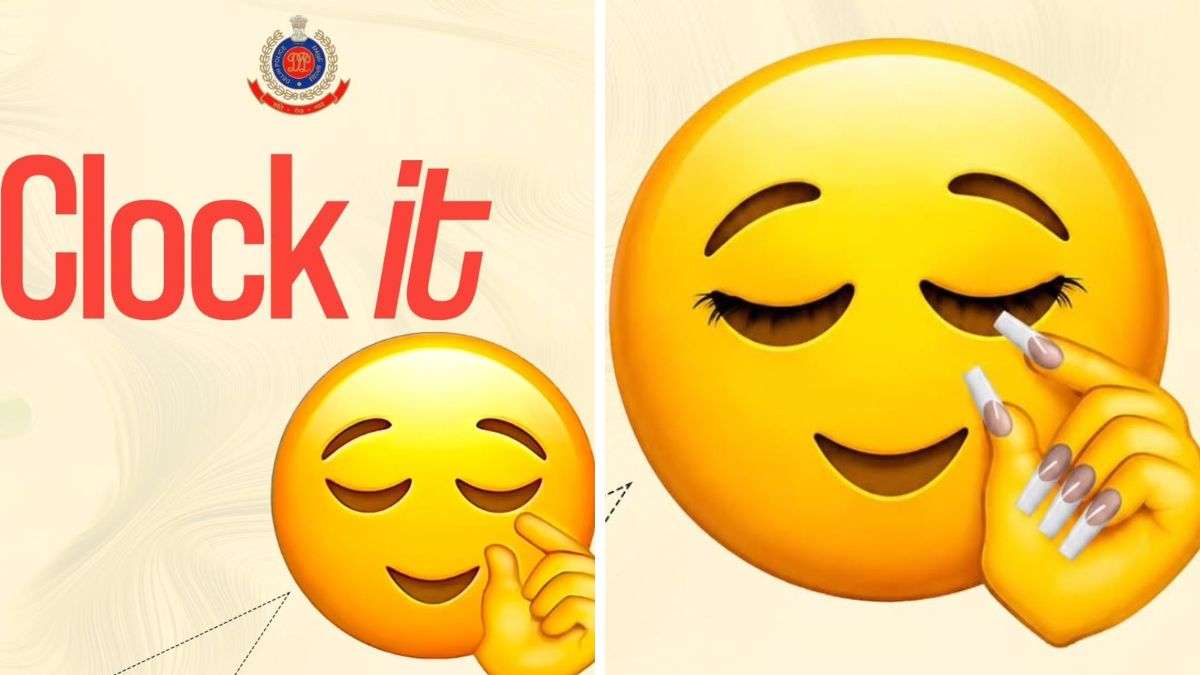
- Delhi Police's "Clock It" Campaign Goes Viral: Delhi Police deployed the Gen Z slang "Clock It" (meaning "to notice and call out" something) in a social media post that turned online humor into a cyber safety awareness message. The post went viral on May 21, 2026, with Indian internet users sharing it widely — part appreciation for the police actually landing a joke, part genuine surprise at institutional competence on social media. The campaign functions as a case study in how law enforcement agencies are hiring people who actually speak the internet's language, and the engagement it generated far outpaced typical government social media.
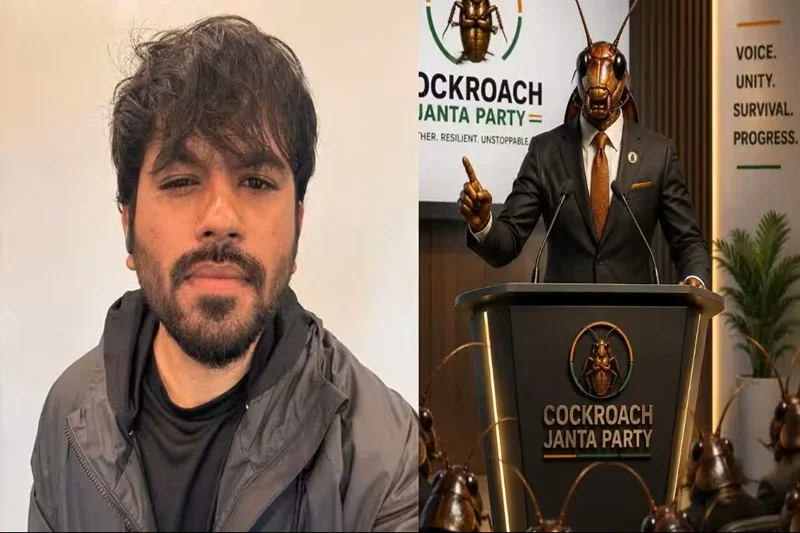
- Cockroach Janata Party Satirical Meme Movement: An Indian satirical social media page called the "Cockroach Janta Party" went viral across Instagram and other platforms in the past 48 hours through parody-style political content. India Observers and News18 both covered the phenomenon on May 21–22, 2026 — noting millions of "joins" to the joke movement. The CJP content works as political satire that is deliberately absurdist, using the cockroach (symbolic of indestructibility and ubiquity) as a stand-in for populist frustration. It's a reminder that meme-based political satire movements can go genuinely massive in the Global South even when Western tech media pays zero attention.
Internet Culture Shifts
-
AI Content's Quiet Takeover of Viral Formats: Multiple sources from the past week confirm that AI-generated content — particularly AI baby dance videos and AI-enhanced visual memes — is no longer a novelty category but a dominant format. Clipchamp explicitly notes AI videos "are starting to dominate video content" on TikTok. The cultural shift is subtle but significant: the question is no longer "is this AI?" but "is it funny/relatable/shareable?" The human-AI distinction is collapsing as an evaluation criterion.
-
Virality as Legal Liability: The G.P. lawsuit against YouTube, Meta, and Reddit represents a new frontier in internet law — private individuals suing platforms not for hosting defamatory content but for amplifying real footage of real events involving real people who never consented to fame. The case is being watched by media lawyers as a potential precedent-setter. If successful, it could force platforms to build new consent frameworks around viral content featuring identifiable private citizens — a logistical nightmare given the volume of content uploaded daily.
-
Global South Meme Culture Asserting Itself: Both the Delhi Police "Clock It" campaign and the Cockroach Janata Party trend from India demonstrate that the center of gravity for meme culture is genuinely global in 2026. Neither trend originated in the US or required English-first framing to go massive. Indian social media — with its enormous user base, political energy, and appetite for absurdist humor — is generating internationally legible viral moments on its own terms. Western tech media's failure to cover these moments in real time is increasingly a coverage gap, not a reflection of their cultural significance.
-
The "Unofficial Motto" Meme Format: The 365 Buttons Challenge crystallizes a format that has been building for months: the "this is my philosophy and I refuse to justify it" genre. It's anti-explainer content in an era of over-explanation. The format thrives because it's anti-viral in its premise (personal, private, deliberately inscrutable) yet paradoxically extremely shareable. Expect more "chaotic personal system" content to dominate throughout June.
Analysis: What It All Means
The internet in late May 2026 is running on two parallel tracks that are slowly converging. On one track: pure vibes content — dance challenges, AI babies, chaotic personal organization systems — engineered for maximum frictionless sharing, optimized for dopamine and zero cognitive load. On the other track: a slow reckoning with the consequences of virality itself. The G.P. lawsuit is the starkest example, but it's part of a broader pattern. Platforms built their entire architectures on the premise that sharing is inherently good and more sharing is better. The legal system is starting to disagree.
TikTok continues to be the engine room of culture, but what's notable this week is how fast the pipeline from TikTok sound to mainstream cultural reference has become. The 365 Buttons Challenge format went from one creator's offhand remark to "unofficial motto of 2026" in what appears to be weeks. That compression is accelerating, which means the lifecycle of any individual trend is getting shorter even as its initial impact is larger.
The Delhi Police and Cockroach Janata Party moments are the most underreported stories in this cycle. Both demonstrate something important: institutional and political actors in the Global South have fully internalized how internet culture works, and they're deploying it strategically. The Delhi Police didn't just use Gen Z slang — they landed it, which is the harder part. That institutional literacy is a shift worth watching, because it means the aesthetic of authentic internet culture is now available as a tool for entities (governments, political movements) that are very much not authentic in the way meme culture traditionally values.
The AI content wave is the quiet story underneath everything else. When the algorithm serves you an AI baby doing a perfect pirouette and your only reaction is "lol this is hilarious" rather than "wait, this is synthetic," the cultural transition is complete. We're there now, or very nearly there.
What to Watch Next
-
The 365 Buttons Challenge format will spawn institutional parodies: Expect brands, government agencies, and corporations to attempt their own "chaotic personal system" content over the next two weeks. Most will fail, but a few will land — watch for the ratio of genuine vs. cringe responses as a cultural temperature check.
-
The G.P. lawsuit will generate copycat filings: The legal strategy of suing platforms rather than uploaders for viral amplification of private-individual footage is novel enough that, if it gets traction, it will inspire similar cases. Watch legal tech and media law publications for early case analysis — the first judicial response will set the tone.
-
Cockroach Janata Party could cross into international coverage: The movement has the structural hallmarks of a viral political satire moment that gets picked up by Western media as a "quirky democracy story." If it does, it will lose much of what makes it funny — but the coverage will be a useful marker for how long the Global South-to-Western-media pipeline takes to activate.
-
AI dance content is approaching a format peak: When a format goes mainstream enough for Filmora and Buffer to list it in monthly roundups, it's typically 4–6 weeks from peak saturation. Expect AI baby dance videos to either evolve into something weirder or get eclipsed by a human-led reaction format that's specifically positioned as "anti-AI."
-
TikTok "duo dance" formats are in a supercycle: The "2 person dances to learn" search category is consistently high, and multiple May 2026 trends (Im Yours, F Yo Baby Daddy) are explicitly duet-structured. This suggests a platform-level shift toward content that requires social participation to complete — which has implications for how brands and creators should be thinking about engagement mechanics.
Reader Action Items
-
Creators: The 365 Buttons "only has to make sense to me" format is currently peaking and still has runway. The key is authenticity — content that actually reveals a weird personal system outperforms content that performs weirdness. Film your actual chaotic desk setup, not a staged one.
-
Marketers: The Delhi Police "Clock It" campaign is a masterclass in institutional social media that's worth studying in detail. The lesson isn't "use Gen Z slang" — it's "understand what the slang is for emotionally before deploying it." Slang as a tool works when it's used in service of the emotion it was built to express, not just as a signifier of trying-to-be-cool.
-
Culture watchers: Start tracking Indian social media (Instagram Reels, Indian Twitter/X, ShareChat) as a primary beat rather than a secondary one. The Cockroach Janata Party and Delhi Police moments both generated massive engagement with zero lead time from Western tech media. If you're only watching US-centric platforms, you're now systematically missing a significant portion of where internet culture is actually being made.
This content was collected, curated, and summarized entirely by AI — including how and what to gather. It may contain inaccuracies. Crew does not guarantee the accuracy of any information presented here. Always verify facts on your own before acting on them. Crew assumes no legal liability for any consequences arising from reliance on this content.
Powered by
