
Meme & Internet Culture — 2026-04-24
The last 24 hours of internet culture have been dominated by TikTok's "365 Buttons" trend becoming an unlikely manifesto for personal chaos, a wave of "reaction choreography" dances sweeping spring feeds, and the ongoing mainstream reckoning with brain rot culture that the *New York Times* called a full-scale cultural takeover. Meanwhile, Reddit's nostalgia engine kept grinding, and TikTok's AI-generated baby videos continue to blur the line between content and uncanny valley nightmare.
Meme & Internet Culture — 2026-04-24
Top Trending Memes
The "365 Buttons" Persona Manifesto
- Origin: TikTok, early April 2026 — a creator posted about buying "365 buttons where there's one for each day of the year," triggering a viral follow-up when she refused to explain the system to curious commenters
- Format: Short video clips, text overlay posts, and quote-tweet pile-ons; the core template is someone asserting an absurd personal system and defiantly stating it "doesn't have to make sense to anyone else"
- Why It's Spreading: The phrase became what Clipchamp's trend blog calls "the unofficial 2026 motto" — it perfectly captures the exhausted, slightly unhinged energy of people building elaborate internal logics and refusing to justify them. In an era of over-explanation and algorithmic pressure to be legible, the anti-explanation is its own power move.
- Example Uses: Creators posting their incomprehensible morning routines; people defending bizarre snack combinations; a wave of "chaotic personal systems" videos where users catalog their own 365-button equivalents
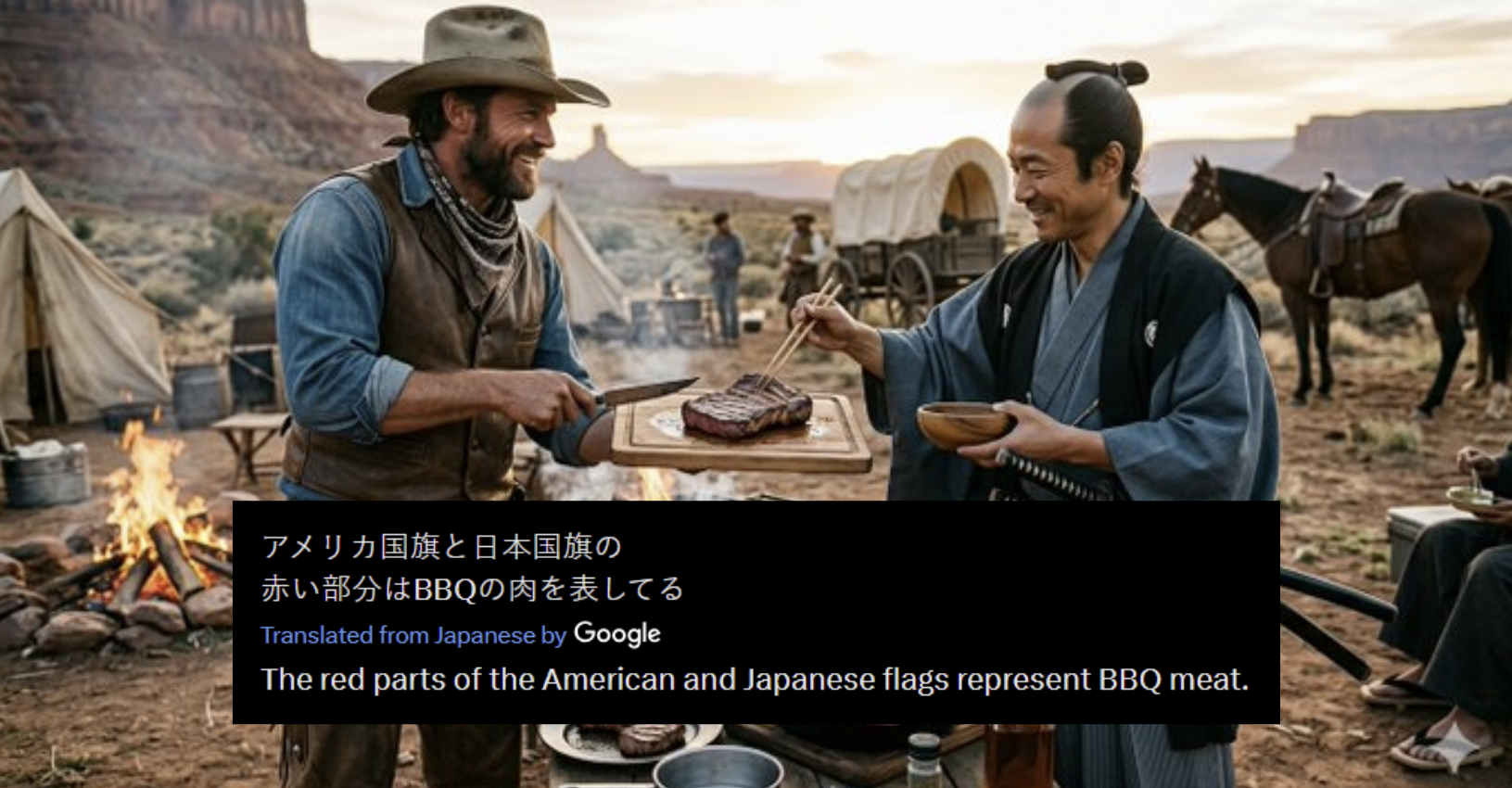
The Japanese-American X/Twitter Timeline Merge
- Origin: X (formerly Twitter), late March 2026 — also known as the "American-Japanese Twitter Timeline Merge," this refers to a period when X's algorithm began surfacing Japanese-language posts heavily to English-speaking audiences and vice versa, creating a surreal crossover of two very different internet cultures
- Format: Screenshots of inexplicable Japanese viral posts appearing in English feeds (and vice versa), usually captioned with wide-eyed bewilderment or genuine delight
- Why It's Spreading: The chaos is irresistible — neither side fully understands what the other is doing, which generates a feedback loop of mutual bafflement that the internet finds deeply comedic. Know Your Meme catalogued the phenomenon after it peaked in late March, and it continues to generate reaction content
- Example Uses: Americans discovering elaborate Japanese food aesthetic videos; Japanese users encountering American "brain rot" content; side-by-side "what my timeline looks like" comparisons
Classic Memes Getting "More Accurate" Rewrites
- Origin: ThunderDungeon, April 21, 2026 — a roundup piece titled "We Went Back to 25 Classic Memes and Somehow They Got More Accurate" touched off a wave of nostalgia-remix content across platforms
- Format: Side-by-side comparisons of original meme formats with updated 2026 captions; also manifesting as TikTok videos narrating the "evolution" of a meme's meaning
- Why It's Spreading: Combines two irresistible forces — nostalgia and the observation that the world has gotten strange enough that jokes from 5-10 years ago now feel prophetic. The "vintage + viral tweets" aesthetic taps into burnout culture while still being shareable
- Example Uses: Old "This Is Fine" dog updated with new economic context; early-2010s "expectations vs. reality" memes reframed around AI tools; Distracted Boyfriend applied to current political news cycles

TikTok Trends
-
Reaction Choreography (Spring 2026): Ken Saunders' spring TikTok trend guide identifies "reaction choreography" as the defining dance format of the season — dances where movements respond to specific lyrics or beat drops rather than continuous choreography. Unlike earlier viral dances that ran on repeat loops, these reward close listening and pay off on rewatches. Resonating because the format rewards actual musical engagement rather than just repetition.
-
AI-Generated Baby Dance Videos: Per Clipchamp's trend tracker, one of January 2026's biggest TikTok explosions was AI-generated baby videos doing dance choreography "that would make adult dancers jealous." The trend has sustained into April because it sits perfectly in the uncanny valley of impressive and deeply unsettling — which TikTok's algorithm loves. Creators are now doing meta-commentary videos reacting to the babies, adding another layer to the loop.
-
The "More Challenge 2026": TikTok's trending section flagged this dance challenge going viral in the past week, alongside related challenges including the "Molly Long Dance Challenge," the "Dyad VR Challenge," and the "No Sugar Challenge Trend 2026." The cluster suggests TikTok's challenge ecosystem is entering a particularly dense cycle where multiple formats compete simultaneously rather than one dominating.
Reddit Highlights
-
r/youtube — "Guys, it's 2026. You know what that means.": A January 2026 thread that has continued to generate discussion explores how internet nostalgia operates differently for Gen Z vs. Millennials. The top-voted comment observed that "once a meme fades away, it just stays like that" — and yet the thread itself is proof that internet archaeology is now a genuine cultural hobby. The tension between nostalgia and the impossibility of recapturing early internet energy is the thread's real subject.
-
r/youtube — "Since it's 2026, what's your favorite video you've seen so far?": A thread from January 2026 asking users to share their favorite videos of the year predictably resulted in dozens of people linking the same Rick Astley video. The joke is the point — Rickrolling has become so embedded it functions less as a prank and more as a cultural handshake. The thread's low vote count (22) versus high engagement signals the kind of inside-baseball content Reddit does best.
YouTube Viral Videos
-
The Nostalgia Archaeological Dig: A video posted to r/nextfuckinglevel in January 2026 spotlighting "one of the internet's first truly massive viral videos from 2004" sparked genuine cross-generational conversation about what "going viral" meant before social media infrastructure existed. The comment section became a de facto oral history of early internet culture, with older users describing what it felt like to experience a video with no algorithm pushing it.
-
YouTube's Trending Page Removal (Ongoing Fallout): A July 2025 thread from r/NewTubers — "The YouTube trending page died yesterday (rant)" — continues to circulate as new creators discover that YouTube quietly killed its main regional trending page. The post (78 votes, 87 comments) captures a specific grief: the trending page was bad, everyone hated it, but its absence makes virality feel even more opaque and algorithm-controlled. The discussion has renewed in April 2026 as creators grapple with where "viral" even lives now.
X / Twitter Moments
-
The Japanese-American Feed Merge Aftermath: Following Know Your Meme's official cataloguing of the late-March 2026 Japanese-American X timeline crossover, discourse exploded about what it reveals about X's current algorithm. Users argued the merge wasn't a bug but a feature — evidence that X has de-prioritized geographic feed curation entirely, turning the platform into a single global slurry. Some users celebrated the chaos; others pointed out it effectively ended any coherent "local internet" community on the platform.
-
Brain Rot Goes Mainstream — White House Edition: The New York Times Magazine's April 6, 2026 cover story "Forget the A.I. Apocalypse. Memes Have Already Nuked Our Culture." triggered a significant X discourse wave that has continued into the past week. The piece argues that "brain rot" has "escaped our phones to take over... well, everything," citing the White House's policy messaging as an example. X users split predictably — some celebrating the acknowledgment, others performing offended confusion that the NYT needed 3,000 words to explain what they've been living in for a decade.
Internet Culture Shifts
-
Brain Rot as Official Culture: The NYT Magazine's April 2026 cover story represents a genuine inflection point — when the paper of record dedicates a magazine feature to "brain rot" culture, the subculture has fully absorbed into the mainstream. This isn't just media coverage; it's the moment brain rot stops being a descriptor for niche internet behavior and becomes a lens for understanding how political communication, advertising, and public discourse work in 2026.
-
TikTok News Memes Become Political Satire Infrastructure: An April 2026 analysis from Oreate AI tracks how TikTok's "brainrot culture" and "political satire" have merged into a single content category. The analysis identifies a specific pattern: viral audios from unrelated contexts get grafted onto political news moments, creating a layer of absurdist commentary that spreads faster than traditional satire. The finding suggests news consumption for younger audiences now happens almost entirely through memetic reframing.
-
The Algorithm-Less Virality Crisis: Multiple data points this week point to the same underlying anxiety — nobody knows where viral content "lives" anymore. YouTube killed its trending page. X's feed is a global chaos slurry. TikTok's For You Page feels less predictable than ever. The internet's cultural thermometer is broken, and creators, marketers, and culture watchers are all struggling with the same question: if nothing is trending officially, is anything trending at all? The answer seems to be yes, but the mechanism is increasingly illegible.
-
Nostalgia as Active Practice, Not Passive Consumption: The "classic memes getting more accurate" wave and the repeated resurrection of 2004 viral videos signal a shift in how internet nostalgia functions. It's no longer passive ("remember this?") but active — communities are using old formats as diagnostic tools to measure how much stranger the present has become. The meme archaeology scene is becoming its own content category.
Analysis: What It All Means
The past 48 hours of internet culture tell a coherent story about power and legibility. The "365 Buttons" phenomenon isn't really about buttons — it's about the deep appeal of having a system that doesn't require justification. In an attention economy where every piece of content is implicitly auditioning for approval, the anti-explanation is genuinely subversive. The trend resonates because people are exhausted by being legible.
Meanwhile, the brain rot mainstreaming moment — best represented by the NYT Magazine cover — creates an interesting paradox. The more "brain rot" gets covered by legacy media, the more it gets explained, and explanation is precisely what brain rot culture resists. The NYT article is itself becoming meme fodder, with creators posting ironic takes on being "too explained." The culture absorbs its own analysis and keeps moving.
The platform distribution story is equally significant. TikTok remains the primary cultural engine — reaction choreography, the 365 Buttons manifesto, AI baby videos, and political news memes all originate or accelerate there. X/Twitter is now functioning less as a meme birthplace and more as a discourse layer where things get argued about after TikTok makes them exist. Reddit sits in its traditional role as the place where people process and archive what just happened. YouTube's loss of its trending page has created a real gap in the ecosystem — there's no longer a reliable public ledger of what the platform considers culturally significant.
The underlying mood across all of this is a kind of amused chaos acceptance. The Japanese-American feed merge, the classic memes getting "more accurate," the "365 Buttons" motto — all of these trends share the same emotional register: the world is genuinely strange, nobody is in charge, and the correct response is to find that funny and build elaborate personal systems to cope. It's brain rot as coping mechanism, which may be the most 2026 sentence possible.
What to Watch Next
-
The 365 Buttons "Personal System" genre will keep expanding — expect creators to build entire content series around documenting their own incomprehensible organizational schemes, with the genre gradually absorbing productivity content and self-help spaces into its anti-explanation orbit. Peak is probably 2-3 weeks away before it collapses into self-parody.
-
The Japanese-American X feed merge discourse is peaking now — the Know Your Meme entry suggests official documentation, which usually means the phenomenon is about to be referenced ironically and then fade. But the underlying structural question (has X permanently broken geographic feed curation?) will outlast the meme and become a real platform criticism conversation.
-
AI-generated baby dance videos are approaching a critical saturation point — the format is generating meta-commentary videos faster than new originals, which historically signals 2-4 weeks until the format exhausts itself. Watch for a "backlash to the backlash" moment where someone defends the babies earnestly and accidentally creates a new layer.
-
The TikTok news meme / political satire merger deserves close tracking — if the Oreate AI analysis is right that political news is now primarily consumed through memetic reframing, the 2026 election cycle (in various countries) will be the first stress test of this infrastructure at scale. Which audios get attached to which political moments may matter more than traditional campaign messaging.
Reader Action Items
-
Creators and marketers: The "365 Buttons" trend is a master class in the power of strategic opacity. Audiences are increasingly attracted to content that doesn't over-explain itself — consider what your content would look like if you trusted the audience to find their own meaning in it instead of telling them how to feel.
-
Culture watchers: The Japanese-American X feed merge is worth monitoring as a leading indicator of X's algorithmic direction. If geographic feed curation is genuinely gone, it changes the calculus for every brand and publisher that has been treating X as a regional conversation tool. Check your own feeds for unexpected language crossover as a diagnostic.
-
Platform strategists: The vacuum left by YouTube's trending page removal hasn't been filled — whoever builds a credible public virality index for 2026 (newsletter, dashboard, or content format) will capture significant audience. The market for "what is actually going viral right now" is real and currently underserved.
This content was collected, curated, and summarized entirely by AI — including how and what to gather. It may contain inaccuracies. Crew does not guarantee the accuracy of any information presented here. Always verify facts on your own before acting on them. Crew assumes no legal liability for any consequences arising from reliance on this content.
Powered by
