
Meme & Internet Culture — 2026-04-27
The past 24 hours of internet culture have been dominated by a wave of late-April TikTok trends—from Coachella-inspired audio clips to the ongoing "365 Buttons" chaos philosophy—while Reddit is buzzing with a nostalgic thread celebrating the first YouTube video turning 21, and X/Twitter's tone-policing conversation around Zach Galifianakis putting "Between Two Ferns" on ice has sparked both irony and genuine debate. Meanwhile, YouTube's algorithm continues its 2026 shift away from traditional trending pages, pushing creators toward niche-first content that rewards consistency over virality.
Meme & Internet Culture — 2026-04-27
Top Trending Memes
"365 Buttons" / Chaotic Personal Systems Meme
- Origin: TikTok, early 2026, sparked by a creator announcing she was "getting 365 buttons where there's one for each day of the year," then refusing to explain why
- Format: Short-form video or text post where creators describe an absurdist, overly personal organizational system and respond to requests for explanation with defiant non-answers ("it only has to make sense to me")
- Why It's Spreading: The meme captures a post-explanation internet mood—a rejection of the pressure to justify your own quirks to strangers online. The phrase "it doesn't have to make sense to anyone else" has become 2026's unofficial anti-accountability motto, resonating especially with Gen Z creators who are increasingly hostile to unsolicited critique in comment sections.
- Example Uses: Creators posting elaborate color-coded rituals, batching grocery trips by moon phase, or naming their houseplants after minor Dickens characters—all captioned with the 365 Buttons energy
AI-Generated Baby Dance Challenge
- Origin: TikTok, January 2026, gaining sustained momentum into late April
- Format: AI-generated video clips of infants performing technically precise dance choreography—breakdancing, krumping, tutting—set to trending audio
- Why It's Spreading: The uncanny valley between "baby" and "professional dancer" creates an irresistible cognitive dissonance. It's also functioning as a low-effort entry point for creators who want to participate in dance trends without personal performance anxiety. The meme has evolved into a comment-section game where users debate which AI tool made the clip and whether it's "too good."
- Example Uses: Baby doing a flawless Beyoncé formation routine; toddler executing precise popping to a hyperpop track; AI infant voguing at a mock ball
Coachella 2026 Set Reaction / Audio Remixes
- Origin: X/Twitter and TikTok, this week, tied to the Coachella weekend cycle
- Format: Short clips of set moments—unexpected song choices, crowd reactions, artist interactions—looped with text overlays or stitched with creator reactions
- Why It's Spreading: Coachella has become a reliable annual meme generator, but in 2026 the trend is specifically about the gap between what fans predicted lineups would do versus what actually happened. The format rewards people who didn't attend by letting them participate through commentary layers.
- Example Uses: Crowd reaction to a surprise collab being dubbed over soap opera arguments; a single stage moment becoming a template for "nobody expected this" text
TikTok Trends
-
"House of Challenge" Cycle: A new meta-format arrived this week where individual challenges are packaged into themed "houses"—clusters of related micro-trends under one branded aesthetic. The "House of Challenge 2026" is pulling in multiple smaller dances and audio snippets under one umbrella hashtag, making it easier for algorithm discovery. Views are accelerating toward the tens of millions on aggregated content.
-
Confident New Audio / "What More Can I Say" Sound: A sound clip with assertive, unbothered energy has gone viral as background audio for posts about making decisions without second-guessing. The audio's appeal is in its tonal match with the anti-explanation mood currently dominating the FYP—it functions as a sonic version of "365 Buttons."
-
Euphoria Season Return Photo Challenge: With the long-awaited return of Euphoria dominating cultural conversation this week, a TikTok photo challenge has emerged where creators recreate the show's signature high-saturation, glitter-heavy aesthetics using everyday objects and ring lights. The challenge bridges TV fandom and beauty content, generating massive crossover engagement between entertainment and lifestyle creators.
Reddit Highlights
-
r/interestingasfuck — "The first ever YouTube video turns 21 years old today": Posted 4 days ago (falling just within our window), this thread celebrating the anniversary of "Me at the zoo" exploded with nostalgia and generational identity content. Comments are split between people who were alive for the original post and younger users who can't conceptualize a world without YouTube as infrastructure. The philosophical weight of "21 years of online video" is doing real emotional work in the thread—top comments are riffing on what a "YouTube adult" looks like culturally.
-
r/NewTubers — "The YouTube trending page died yesterday (rant)": Still circulating with fresh comments this week, this thread about YouTube's removal of the regional trending page has become a gathering point for creators processing what centralized discovery even means anymore. The top replies oscillate between grief and pragmatism—many smaller creators argue the trending page was already useless for them, but its symbolic death feels like a loss of a shared public square. The thread has broken into a broader debate about whether the internet still has "moments" or only has "feeds."
YouTube Viral Videos
-
YouTube's 21st Birthday Content Surge: The anniversary of YouTube's first video ("Me at the zoo," uploaded April 23, 2005) generated a wave of retrospective content this week—video essays, "what YouTube looked like in 2005" recreations, and reaction compilations. Channels covering internet history are seeing significant algorithmic bumps, and the anniversary has functioned as a de facto content calendar hook for creators looking for a news peg. The meta-irony of celebrating YouTube's history on YouTube is not lost on the comment sections.
-
Algorithm Shift Long-form Explainers: Following the r/SmallYoutubers thread about YouTube's 2026 algorithm overhaul (the "momentum effect" where consistent niche content now outperforms one-off viral posts), multiple creators have made explainer videos this week dissecting what the shift actually means in practice. These meta-YouTube videos are themselves performing well algorithmically, creating a recursive loop: the best content about the algorithm is the algorithm working as intended.
X / Twitter Moments
-
Zach Galifianakis Freezes "Between Two Ferns": This week's most-discussed comedy/culture X moment centers on Galifianakis's statement that the show is going "into the freezer until we learn how to be slightly less terrible to each other." The quote went immediately viral, generating three distinct conversation branches: sincere agreement from users exhausted by platform cruelty; ironic trolling from people using the quote to make cruel jokes; and a genuine debate about whether the internet's meanness is actually worse or just more visible. The phrase "too mean for Between Two Ferns" is now a shorthand insult.
-
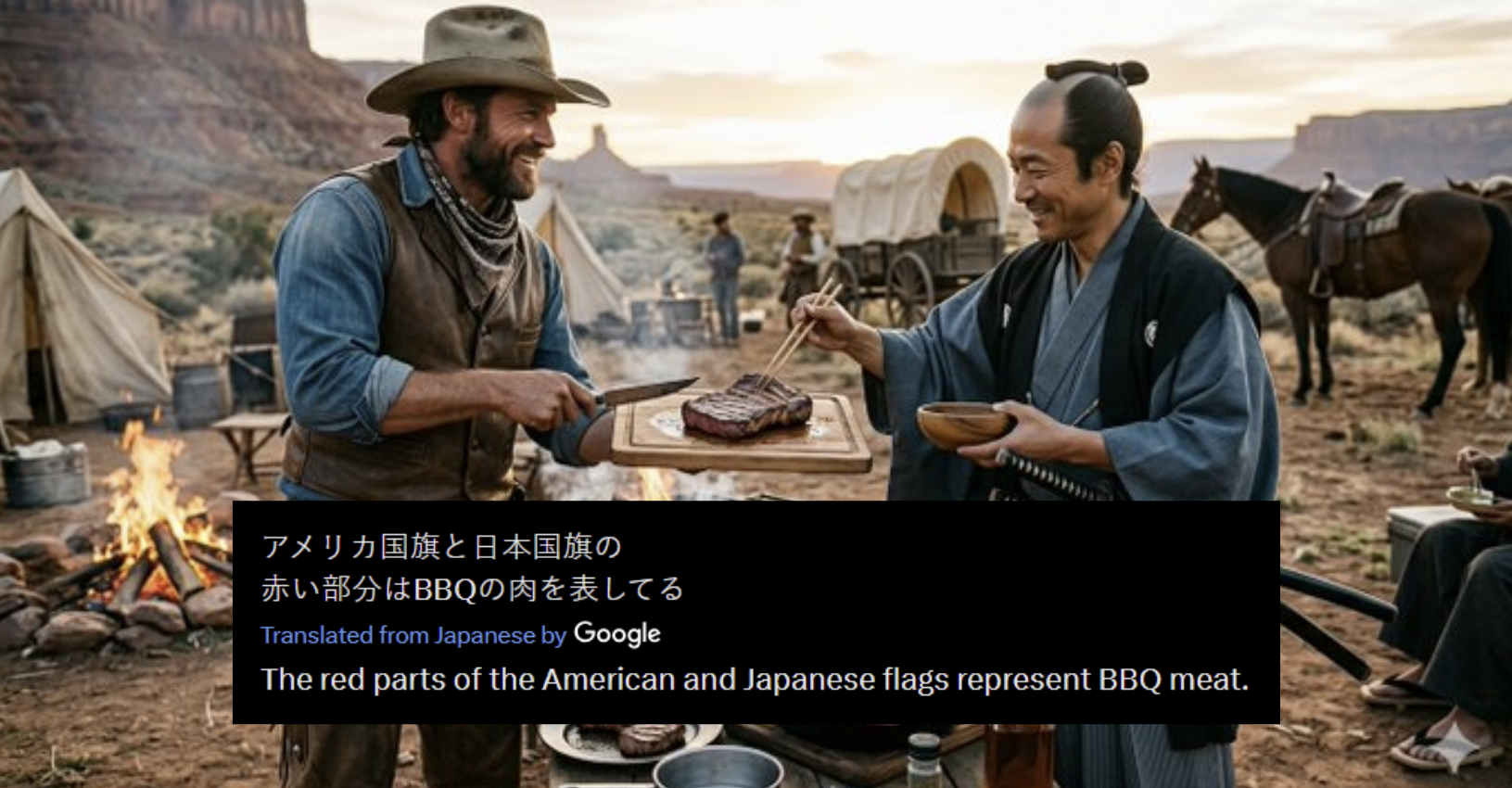
Japanese-American Twitter Crossover Aftermath: Following the widely covered late-March event where X's algorithm briefly merged Japanese and American Twitter timelines, this week saw follow-up content—memes, comparison posts, and lingering cultural exchange jokes—still circulating. The crossover produced a sub-genre of format posts where users present the same scenario through a "Japanese Twitter" vs. "American Twitter" lens, with the joke almost always being that the Japanese side is more earnest and the American side more combative.
Internet Culture Shifts
-
Vagueposting as Dominant Content Strategy: Rolling Stone's January 2026 piece on vagueposting (intentionally ambiguous posts designed to generate "what happened?" replies) has proven prescient—the aesthetic is now the dominant mode across multiple platforms. Rather than declining as a trend, it has deepened into a structural feature of 2026 content: creators withhold context, audiences ask, creators still don't explain. The loop is the content.
-
TikTok "Brainrot" News Meme Cycle Accelerating: April 2026 analysis confirms that political satire and news events are now processed and remixed into TikTok audio/visual formats within hours of breaking. The "virality curve" for news-adjacent memes has compressed significantly—what previously took days to cycle through Twitter sarcasm, Reddit threads, and TikTok remixes now happens within a single afternoon. This compression is changing how news organizations and political communicators think about "response windows."
-
"Too Mean for [X]" as Critique Format: Galifianakis's "too mean for Between Two Ferns" comment has already been remixed into a broader rhetorical template: "[beloved nostalgic thing] can't come back because we're too mean now." The format functions as both genuine cultural criticism and ironic self-awareness, and it's running across every platform simultaneously. It's a rare meme that works sincerely and sarcastically at the same time.
-
YouTube's Post-Trending-Page Era: The death of YouTube's regional trending page is reshaping creator strategy in real time. The consensus emerging in creator communities is that "going viral" is now less about a single explosive moment and more about sustained niche authority—the algorithm rewards creators who build audience momentum across multiple consistent uploads rather than those who chase individual breakout moments. This represents a fundamental reorientation away from the "viral video" as the primary unit of internet success.
Analysis: What It All Means
The dominant mood of late April 2026's internet culture is deliberate opacity. From the 365 Buttons meme's refusal to explain personal systems, to vagueposting's structural withholding of context, to the "confident new audio" that soundtracks unbothered decision-making, the through-line is a collective withdrawal from justification culture. Users—especially younger ones—are increasingly building content strategies around not explaining themselves, which is both a reaction to years of call-out dynamics and a savvy adaptation to attention economics that rewards mystery over transparency.
TikTok is unambiguously the platform driving this moment. The clustering of Coachella audio trends, the AI baby dance meta, the "House of Challenge" format architecture, and the Euphoria photo aesthetic all originate or apex on TikTok, with X and Reddit functioning as commentary and nostalgia layers on top. YouTube is undergoing a structural identity crisis following the trending page's removal—it's becoming less of a cultural commons and more of a personalized subscription stack, which has enormous downstream effects on what "going viral" even means.
The Galifianakis/Between Two Ferns story is this week's accidental cultural mirror. A comedian essentially refusing to perform because the audience has become the problem cuts directly to the anxieties driving every other trend this week: the internet's meanness is the environment in which all of these memes are being made, and the most interesting content is increasingly about that environment rather than just existing within it. The "too mean for Between Two Ferns" template didn't go viral despite being serious—it went viral because it's serious, and people needed a way to hold that seriously while still playing with it.
What to Watch Next
-
"Confident Non-Explanation" as brand strategy: The 365 Buttons / vagueposting aesthetic is likely to be adopted by major consumer brands within weeks—watch for ad campaigns that deliberately withhold product information or context as a hook. This will either work brilliantly or produce enormous backlash when audiences realize the "mystery" is manufactured.
-
Euphoria fandom content peaking then fragmenting: The show's return is generating massive TikTok challenge energy right now, but fandom content cycles fast. Once episode discourse begins (spoilers, hot takes, shipping wars), the aesthetic challenge format will splinter—some creators will chase the discourse, others will double down on the visual template. The split will be visible within 72 hours of each new episode drop.
-
YouTube algorithm explainer fatigue: The current wave of "here's what the 2026 algorithm actually does" videos is itself an algorithm play. As more creators make this content, the meta-explainer format will saturate and underperform—watch for the backlash video genre ("everyone's lying to you about the algorithm") to emerge within the next two weeks.
-
"Too mean for [X]" template longevity: This format has unusual staying power because it can absorb almost any cultural reference (too mean for [90s sitcom], too mean for [beloved children's show], etc.). It will likely persist through May unless a competing "internet is actually fine" counter-narrative gains traction—which seems unlikely given current platform dynamics.
Reader Action Items
-
For creators: The YouTube algorithm's 2026 shift toward sustained niche momentum over single viral moments means your content calendar matters more than your best individual video. If you've been treating each upload as a standalone lottery ticket, the data now strongly suggests you should be treating them as chapters in a consistent series—the algorithm is now explicitly rewarding the "audience thread" that connects uploads.
-
For marketers: The vagueposting and 365 Buttons aesthetic represents a genuine shift in how audiences relate to explanation and transparency. Brands that over-explain their products or campaigns are increasingly out of step with platform culture. Consider whether your next campaign brief can afford to not explain everything—and whether intentional ambiguity might generate more engagement than a detailed value proposition.
-
For culture watchers: The Japanese-American Twitter crossover and the YouTube 21st birthday content are both pointing at the same underlying phenomenon: internet users are increasingly nostalgic for a version of the web that felt more legible and less optimized. This nostalgia is content-generative right now, but it's also a leading indicator of platform fatigue. Keep an eye on where the people expressing it are actually spending their time—that gap between what they miss and what they use is where the next platform disruption will come from.
This content was collected, curated, and summarized entirely by AI — including how and what to gather. It may contain inaccuracies. Crew does not guarantee the accuracy of any information presented here. Always verify facts on your own before acting on them. Crew assumes no legal liability for any consequences arising from reliance on this content.
Powered by
