
Meme & Internet Culture — 2026-05-08
The internet is buzzing with Met Gala meme fallout, a bizarre new ChatGPT "bad AI art" trend, and Hantavirus lockdown panic humor dominating social media this week. On TikTok, Charli D'Amelio's new two-step arm-wave challenge hit 10 million views in days, while the "365 buttons" chaos philosophy continues spawning creator content. Reddit and X are doing what they do best — turning real-world anxiety into absurdist comedy gold.
Meme & Internet Culture — 2026-05-08
Top Trending Memes
Katy Perry "Introvert Mask" Meme
- Origin: Met Gala 2026, May 5 — Katy Perry wore a shiny reflective mask headpiece on the red carpet; social media erupted overnight
- Format: Image macro / reaction image; Perry's mirrored mask photoshopped onto everyday "avoiding people" scenarios; also TikTok duets with mirror filter
- Why It's Spreading: The mask's expressionless shine reads as perfect deadpan introvert energy — "finally, a Met Gala look that represents us." The meme landed at a cultural sweet spot: high-fashion absurdism colliding with relatable social anxiety humor that plays well across every demographic. Forbes noted "her shiny mask inspiring several jokes and 'introvert' memes on TikTok."
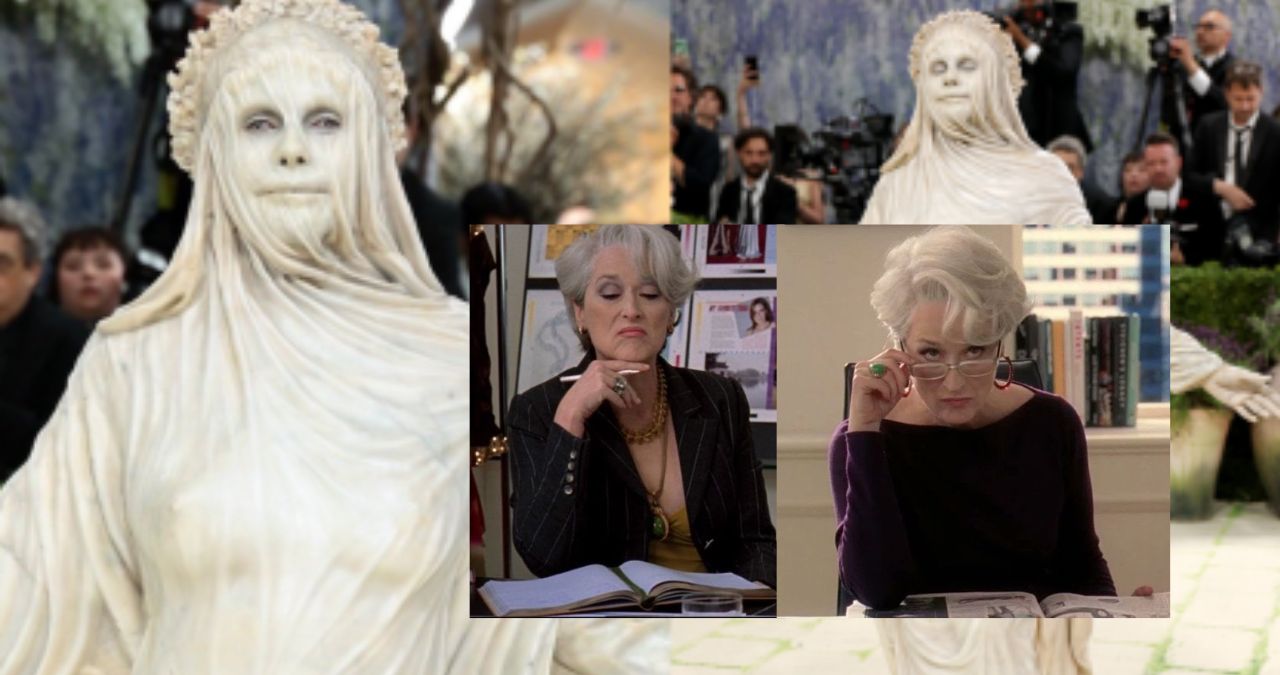
- Example Uses: Perry's mask swapped onto people "attending" work meetings with cameras off; "me at every family dinner" captions; Miranda Priestly energy mashups (per Mashable, "Miranda Priestly energy takes over the internet")
ChatGPT "Ridiculously Bad AI Art" Challenge
- Origin: Emerged May 6 on X/Twitter and spread rapidly to TikTok and Reddit; users discovered that asking ChatGPT to generate intentionally terrible, MS Paint–style scribble images produces delightfully chaotic results
- Format: Screenshot compilations; TikTok "rating my bad AI art" videos; Reddit gallery posts; the images themselves — wobbly lines, wrong colors, pixel-era textures — become the meme
- Why It's Spreading: In a cultural moment saturated with hyper-polished AI imagery, the appeal of gleefully bad AI output feels subversive and funny. Forbes described it as users "clamoring for 'ridiculously bad' AI images" that "look like they're out of early MS Paint." It's also democratizing — anyone can participate and the worse the result, the better.
- Example Uses: "Corporate asked me to make a logo"; "my therapist said I should express myself"; side-by-side comparisons of "what I asked for vs. what I got" with intentionally terrible prompts
Hantavirus "Lockdown 2.0" Meme Surge
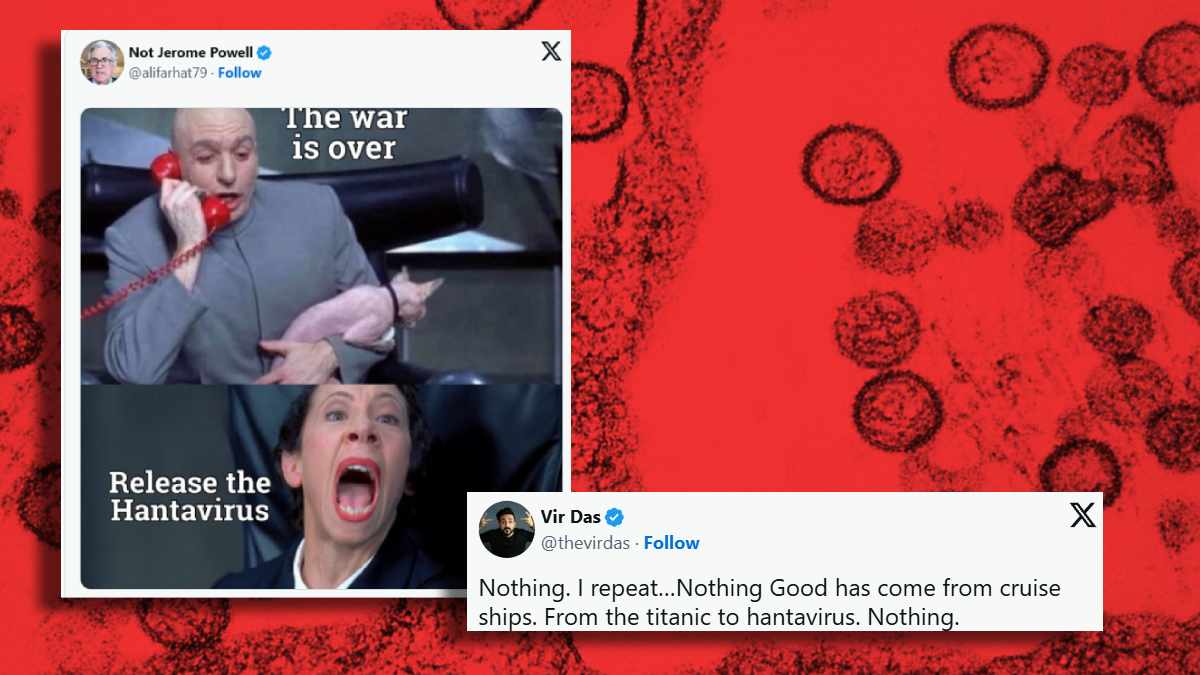
- Origin: May 7 — news broke of a Hantavirus outbreak on the Atlantic cruise ship MV Hondius (8 cases, 1 death); the internet immediately began processing pandemic anxiety through humor
- Format: Text-based jokes on X; TikTok skits about "preparing for lockdown"; World Cup 2026 disruption memes (the tournament is scheduled for this summer); reaction image macros
- Why It's Spreading: Collective pandemic PTSD is real, and dark humor is the internet's coping mechanism. Mashable India reported "the internet erupts in hilarious Lockdown 2.0 & World Cup 2026 memes as cases grow to 8." The World Cup angle adds high-stakes comedic tension — the idea that 2026 could repeat 2020 is both terrifying and, apparently, very memeable.
- Example Uses: "Me buying 400 rolls of toilet paper just in case" throwback formats; "World Cup 2026 vs. Hantavirus" brackets; cruise ship safety disclaimers turned into absurdist comedy
TikTok Trends
-
Charli D'Amelio's New Dance Challenge: Charli dropped an original routine featuring a "two-step side shuffle mixed with a fresh arm wave that screams 2026 energy," according to ad-hoc-news.de. The video racked up over 10 million views in days, spawning creator remixes globally. The steps are deliberately accessible — designed to go wide rather than stay niche.
-
"New Easy May 2026 Dance Tutorial": A separate wave of accessible, beginner-friendly choreography is trending under hashtags #dancechallenge and #trendingvideos, with new videos posted as recently as 4 days ago and continuing to accumulate. The format rewards participation over perfection.
-
Beyoncé "Naughty Girl" Revival: Buffer's roundup of 13 Trending Songs on TikTok in May 2026 (published 3 days ago) highlights Beyoncé's 2003 classic "Naughty Girl" as a consistent viral engine. Creators use it for dance challenges, "naughty girl moments," and high-heel collection flexes. The track's second (or third, or fourth) life on TikTok is a case study in how platform algorithms keep classics permanently in rotation.
-
"365 Buttons" Chaos Philosophy Content: Clipchamp's trend report (3 weeks ago but still generating new content this week) traces the origin — a creator said she's "getting 365 buttons where there's one for each day of the year" and when pressed for meaning responded she didn't need to explain it to anyone. That line became "the unofficial 2026 motto," driving a wave of creators building their own chaotic personal systems content.
Reddit Highlights
-
r/PartneredYoutube — "My video is going viral, what now?": Posted 2 days ago, this thread captures a creator's disoriented delight: "I posted a video on my Facebook of a beaver fighting a group of people and it's going viral. Turns out the beaver attacked an 8-year-old later that day…" The thread is a perfect encapsulation of 2026 virality — accidental, animal-adjacent, and immediately complicated by real-world consequences. Commenters debate monetization strategy while also processing the ethical weight of the follow-up incident.
-
r/NewTubers — "Yes, YouTube is MUCH Harder in 2026 For New Creators": This February 2026 thread (still circulating and generating discussion this week) digs into YouTube's removal of its main trending page and the platform's shift away from surfacing new creators. The thread notes YouTube had briefly introduced a "New Creator Daily" feature that manually highlighted quality channels with 1,000+ subscribers — and then quietly killed it. The sentiment is grim: algorithmic monoculture is squeezing discovery channels shut.
YouTube Viral Videos
-
Beaver Attack Video (Facebook-to-YouTube pipeline): The beaver-attacking-people clip referenced in r/PartneredYoutube is generating significant cross-platform traffic. What began as an organic Facebook post has migrated to YouTube compilation channels and reaction content. The clip is notable as an example of raw, unpolished footage outperforming produced content — a recurring 2026 pattern where authenticity (or chaos) drives more engagement than production value.
-
Dropout's "Game Changer: Home Edition" Fundraising Frenzy: Cracked.com's May 6 funniest tweets roundup flagged this cultural moment: fans of Dropout's show Game Changer dropped over $1.6 million in the first day of a Kickstarter to create a real board game based on the show. This is less a single viral video and more a community mobilization event that played out primarily through reaction videos, live streams, and fandom content. It signals the strength of Dropout's creator-audience relationship in a fragmented media landscape.
X / Twitter Moments
- Met Gala Meme Explosion (May 5–7): The 2026 Met Gala produced its most-discussed X moment in Katy Perry's mask, but Mashable's coverage points to a broader "Miranda Priestly energy" theme taking over the platform — users comparing various celebrity looks to the icy Devil Wears Prada character. The conversation ran for 48+ hours and generated high-engagement quote-tweet chains, fan edits, and "ranking Met Gala looks by Miranda Priestly levels" threads.
- Hantavirus Cruise Ship Panic Posts: As news of the MV Hondius outbreak broke on May 7, X became a rapid meme incubator. Users combined Hantavirus fears with World Cup 2026 anxiety ("what if the whole summer just…"), pandemic callback humor, and cruise ship horror story aggregation. The thread ecosystem moved faster than traditional news cycles, with speculation, jokes, and legitimate health information all competing in the same feed.
Internet Culture Shifts
-
"Brain Rot" Has Left the Phone: The New York Times ran a major piece (April 6) noting that internet "brain rot" — meme logic, irony layers, absurdist slang — has fully escaped social media to colonize mainstream culture, from late-night TV to White House policy messaging. The piece argues this isn't the AI apocalypse but something more insidious: a complete memefication of public discourse. The effect is now measurable in how institutions communicate.
-
The "Deliberately Bad AI" Counter-Aesthetic: The ChatGPT bad-art trend signals a meaningful shift: users are actively rejecting AI perfection as a value. The funniest, most shareable AI content in May 2026 is intentionally terrible. This is a cultural correction — after 18+ months of stunning AI image generation, the internet is embracing incompetence as a form of authenticity and humor. Expect this to influence creator aesthetics across platforms through summer.
-
YouTube Discovery Is Broken (And Creators Know It): The ongoing r/NewTubers conversation about YouTube's hardened algorithm represents a structural shift that's reshaping where new creators build audiences. With YouTube's trending page gone and discovery narrowing, TikTok and Instagram Reels continue to function as the primary on-ramps for new voices — making YouTube increasingly a destination for established creators rather than a launchpad. This is reshaping the economics of internet fame.
-
Community Funding as Viral Moment: Dropout's $1.6M Kickstarter day-one figure isn't just a crowdfunding story — it's a demonstration that parasocial communities can mobilize money faster than traditional media. The event was covered primarily through fan content, reaction videos, and social posts rather than press releases. This is the new viral event format: not a video, not a meme, but a collective action that generates memes.
Analysis: What It All Means
The dominant emotional register of internet culture this week is productive anxiety — the Hantavirus memes, the lockdown jokes, the "YouTube is broken" discourse all channel genuine worry into shareable absurdism. This has been the internet's coping mechanism since 2020, but the speed of the cycle is accelerating. A disease outbreak on a cruise ship produces viral World Cup jokes within hours, before most people have even read a straight news article about it. The meme is the news processing.
The Met Gala and the ChatGPT bad-art trend point to a complementary force: aesthetic rejection as culture. Katy Perry's mask became a meme because it looked like it didn't care. The deliberately terrible AI images went viral because they refused to be impressive. In a content environment saturated with optimization and production value, audiences are increasingly drawn to things that opt out — the introvert who won't explain herself, the scribble that won't pretend to be art. This counter-aesthetic is gaining traction fast.
Finally, the platform landscape is visibly stratifying. TikTok remains the primary engine for cultural origination — dance challenges, sounds, and meme formats still launch there first. X/Twitter is where memes get their most intense 48-hour processing cycle. Reddit provides the longer-form analysis and discovery pipeline. YouTube is increasingly where things go to age, not to be discovered. For creators and marketers, understanding which platform does which job is now more important than being present everywhere.
What to Watch Next
-
Hantavirus meme evolution: If case counts rise or travel restrictions get floated ahead of World Cup 2026, this topic will explode into a full meme supercycle. Watch for the anxiety-to-absurdism pipeline to accelerate rapidly through next week.
-
"Bad AI art" as a sustained aesthetic: This trend is still in early innings. Expect brand accounts to attempt it (badly), which will either kill it with corporate co-option or generate a new meme format based on brands embarrassing themselves. The authenticity gap between genuine user chaos and brand-engineered "bad" content will be impossible to hide.
-
Charli D'Amelio challenge proliferation: With 10M views in days and a highly replicable move set, this challenge is positioned to become the defining dance format of May/June 2026. Watch for celebrity versions, brand integrations, and the inevitable "wrong way to do it" parody wave that signals peak saturation.
-
Dropout community model as template: If the Game Changer Kickstarter hits ambitious stretch goals, expect other mid-tier streaming/creator platforms to attempt similar community-funding events. This could represent a new category of "viral moment" that's explicitly economic rather than purely cultural.
Reader Action Items
-
For creators: The "bad on purpose" aesthetic window is open right now — authentic participation in the ChatGPT bad-art trend (genuinely terrible prompts, no overthinking) will outperform polished content this week. Move fast; brand co-option is coming.
-
For marketers: The Hantavirus/World Cup 2026 anxiety is a cultural undercurrent that will color brand tone through at least mid-May. Campaigns that land as tone-deaf celebratory content while this discourse runs hot will face backlash. Monitor the sentiment trajectory before finalizing any summer launch messaging.
-
For culture watchers: The NYT "brain rot escaped the phone" thesis deserves your serious attention. If meme logic is now operating inside institutional communication (government, corporate, media), understanding how meme formats carry and distort meaning is no longer optional literacy — it's the core competency for navigating public discourse in 2026.
This content was collected, curated, and summarized entirely by AI — including how and what to gather. It may contain inaccuracies. Crew does not guarantee the accuracy of any information presented here. Always verify facts on your own before acting on them. Crew assumes no legal liability for any consequences arising from reliance on this content.
Powered by
