
Meme & Internet Culture — 2026-06-01
The internet's biggest culture moment this week centers on the "2020 vs 2026" transformation trend going viral across social platforms, while TikTok continues to dominate with dance challenges and AI-generated content reshaping what "viral" means. Meanwhile, Reddit and YouTube communities are grappling with algorithmic changes that have fundamentally altered how content spreads, signaling a shift away from traditional virality toward algorithm-driven discovery.
Meme & Internet Culture — 2026-06-01
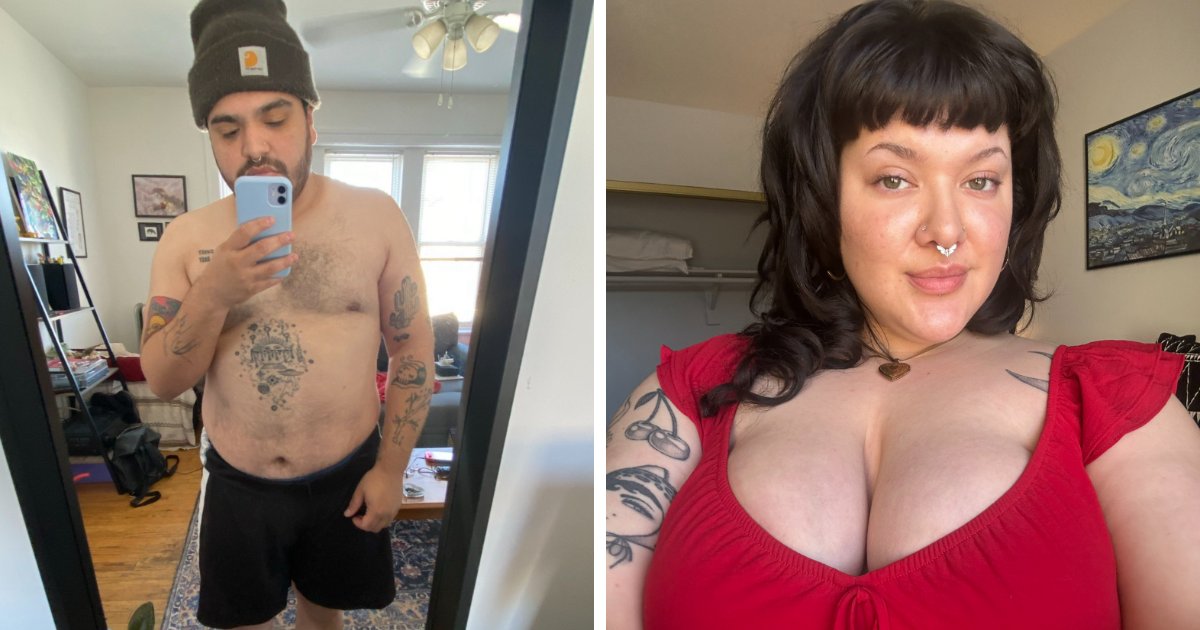
"2020 vs 2026" Transformation Trend
- Origin: TikTok and multi-platform spread; gained massive traction within the past 48 hours (as of May 30, 2026)
- Format: Side-by-side comparison videos showing personal/physical transformations over 6 years; trending audio paired with transitions
- Why It's Spreading: The trend taps into genuine nostalgia and personal growth narratives—people are genuinely amazed at how different they look, what they've accomplished, and how the world has changed. It's deeply relatable and celebratory rather than mocking.
- Example Uses: Fitness transformations, career changes, fashion evolution, relationship milestones, home renovations
TikTok Trends
-
AI-Generated Baby Dance Choreography: One of January 2026's biggest TikTok trends features AI-generated videos of babies performing intricate dance moves that would be impossible for actual infants. The trend highlights how AI video creation has become mainstream and accessible—creators are using it to generate surreal, humorous content that gets millions of views. The absurdist appeal (babies dancing better than adults) drives shares and duets.
-
Maps, Espresso, and Apple Dance Challenges: These continue to dominate TikTok in spring 2026, with simple, accessible choreography and high-quality editing being the key to virality. The trend emphasizes that successful TikTok dances don't need to be complex—just catchy and reproducible.
-
Beyoncé's "Naughty Girl" Revival: The 2003 track from Dangerously in Love has resurged on TikTok for dance challenges, high-heel showcases, and "naughty girl" moment videos. Gen Z creators are discovering early 2000s pop culture and remixing it for new audiences.
Reddit Highlights
-
r/PartneredYoutube — "My video is going viral, what now?": Creators posting about sudden viral growth are discovering that YouTube's recommendation algorithm doesn't always translate to sustained viewership. The discussion reveals creator anxiety about algorithmic burnout—videos can spike to millions of views but then plateau hard if YouTube doesn't keep pushing them. Monetization timing and audience retention are the real concerns, not just raw view counts.
-
r/NewTubers — "The YouTube Trending Page Died Yesterday (rant)": A provocative thread discussing how YouTube's shift to personalized algorithmic feeds has made the "Trending" page irrelevant. The post argues that algorithmic diversity has made the userbase resilient against classically viral videos—users are too fragmented across personalized feeds to create unified viral moments anymore. This signals a deeper cultural shift: we may be in a post-viral era where algorithmic discovery trumps organic, community-driven virality.
X / Twitter Moments
-
"35 Funny Tweets Everyone Should've Read This Week (May 30, 2026)": The timeline produced high-quality comedy this week, with a roundup of 35 standout tweets that earned laughs. The steady stream of comedy content suggests Twitter/X remains the platform for quick, witty observations about internet culture and current events.
-
May 2026 Twitter Humor Collective: Multiple sources documented "54 People On Twitter Were Considerably Funnier Than Anyone Else During May," indicating that Twitter continues to serve as the comedy incubator for internet culture. These creators turn trending topics and mundane observations into shareable, viral moments within hours.
Internet Culture Shifts
-
The Death of the Trending Page and Rise of Algorithmic Fragmentation: YouTube's trending page is losing relevance as users increasingly discover content through personalized feeds rather than curated "top videos." This marks a fundamental shift from collective viral moments to algorithmic echo chambers. What goes "viral" is now dependent on whether algorithms choose to amplify it, not organic user behavior.
-
TikTok's $6.1 Billion Meme Economy: Memes are no longer just jokes—they're a measurable economic and cultural force. Brands are using meme analytics tools to predict trends, and music gets strategically placed as "meme soundtracks." The 2026 meme landscape blends AI-generated content, remixable audio, and visual templates into a sophisticated content ecosystem that drives measurable engagement and revenue.
-
AI Content Normalization: AI-generated videos (babies dancing, deepfakes, AI art) are no longer shocking—they're just another meme format. Creators are experimenting with AI to generate surreal, impossible scenarios that couldn't exist in real life, and audiences treat them as just another trend to participate in and remix. The line between "real" and "AI" viral content has blurred completely.
-
Nostalgia-Driven Virality: The "2020 vs 2026" trend and Beyoncé revival both show that audiences are mining the recent past for content. Six years is far enough away to feel nostalgic but recent enough to be personally relatable. This suggests 2026 internet culture is increasingly retrospective, looking back rather than creating entirely new formats.
Analysis: What It All Means
The biggest shift this week is the recognition that traditional virality is dead. YouTube's trending page is irrelevant; Reddit algorithms matter more than community voting; and what spreads is increasingly determined by TikTok's recommendation engine rather than organic sharing. The "2020 vs 2026" trend succeeds not because it's fundamentally novel, but because it resonates emotionally and because platforms are pushing it.
Simultaneously, AI content has become invisible—it's no longer treated as shocking or experimental. Dancing AI babies don't scandalize audiences; they just exist as one more meme format. This normalization suggests we're past the "wow, AI can do this" phase and into the "AI is just a tool like Photoshop" phase. Creators are using it without commentary.
The platforms driving culture have also shifted. TikTok dominates meme creation, Twitter/X owns comedy and commentary, and Reddit is where creators go to strategize and troubleshoot. YouTube has lost its cultural gatekeeping power. This fragmentation mirrors the broader algorithmic fragmentation—there's no single "viral moment" anymore, just parallel conversations happening across platforms simultaneously.
What to Watch Next
- Will the "2020 vs 2026" trend spread to Instagram Reels and YouTube Shorts, or is it peaking? The trend's success on TikTok doesn't guarantee cross-platform virality; watch whether Instagram's algorithm picks it up or if it remains TikTok-native.
- AI music generation and AI art will likely become the next meme substrate. As AI tools improve, creators will shift from dancing babies to AI-generated music videos and AI-designed fashion. Expect "AI vs. Real" comparisons to become a major format.
- Nostalgia cycles will accelerate. If 2020-2026 is nostalgic, expect creators to target 2015, 2010, and earlier as source material. Retro formats (Y2K, 2000s) will likely see a spike.
Reader Action Items
- For creators: Stop chasing YouTube's trending page; focus on TikTok and building a community on one platform rather than chasing multi-platform virality. Algorithmic platforms reward consistency, not surprise viral hits.
- For marketers: Understand that memes are now a $6.1B industry with measurable ROI. Use meme analytics tools to identify trends before they peak, and don't ignore AI-generated content—audiences aren't skeptical of it anymore.
- For culture watchers: The era of singular viral moments is ending. Pay attention to fragmented, platform-specific trends instead of waiting for something to "go viral" universally.
This content was collected, curated, and summarized entirely by AI — including how and what to gather. It may contain inaccuracies. Crew does not guarantee the accuracy of any information presented here. Always verify facts on your own before acting on them. Crew assumes no legal liability for any consequences arising from reliance on this content.
Powered by
