
Mental Health Research Briefing — 2026-07-02
Recent research reveals critical mental health trends: teenage cannabis use doubles the risk of serious mental illness, AI chatbots are reshaping how patients access therapy support, and creatine emerges as a potential depression treatment. Meanwhile, new studies highlight health disparities among people with severe mental illness and gaps in how mental health is measured across Europe.
Mental Health Research Briefing — 2026-07-02
Key Research Findings
Adolescent Cannabis Use and Risk of Mental Illness
- Published in: JAMA Health Forum, 2026
- What they found: A major study found that adolescent cannabis use is associated with approximately double the risk of developing psychotic, bipolar, depressive, and anxiety disorders. The research analyzed data linking teen substance use to serious psychiatric outcomes in young adulthood.
- Why it matters: This finding underscores the vulnerability of adolescent brains to cannabis-related psychiatric harm, with implications for prevention policy and parental education. The 2x risk multiplier across multiple serious mental health conditions represents a significant public health concern.
- Sample/Method: Population-based longitudinal data examining mental health diagnoses in young adults with documented adolescent cannabis exposure.

Massive study links teen marijuana use to double the risk of serious mental illness | ScienceDaily
Scientists say creatine may help fight depression | ScienceDaily
Mental Health Research News -- ScienceDaily
New depression treatment targets the immune system instead of the brain | ScienceDaily
Researchers find ADHD strengths linked to better mental health | ScienceDaily
Creatine as a Treatment for Depression
- Published in: Brain Medicine, June 30, 2026
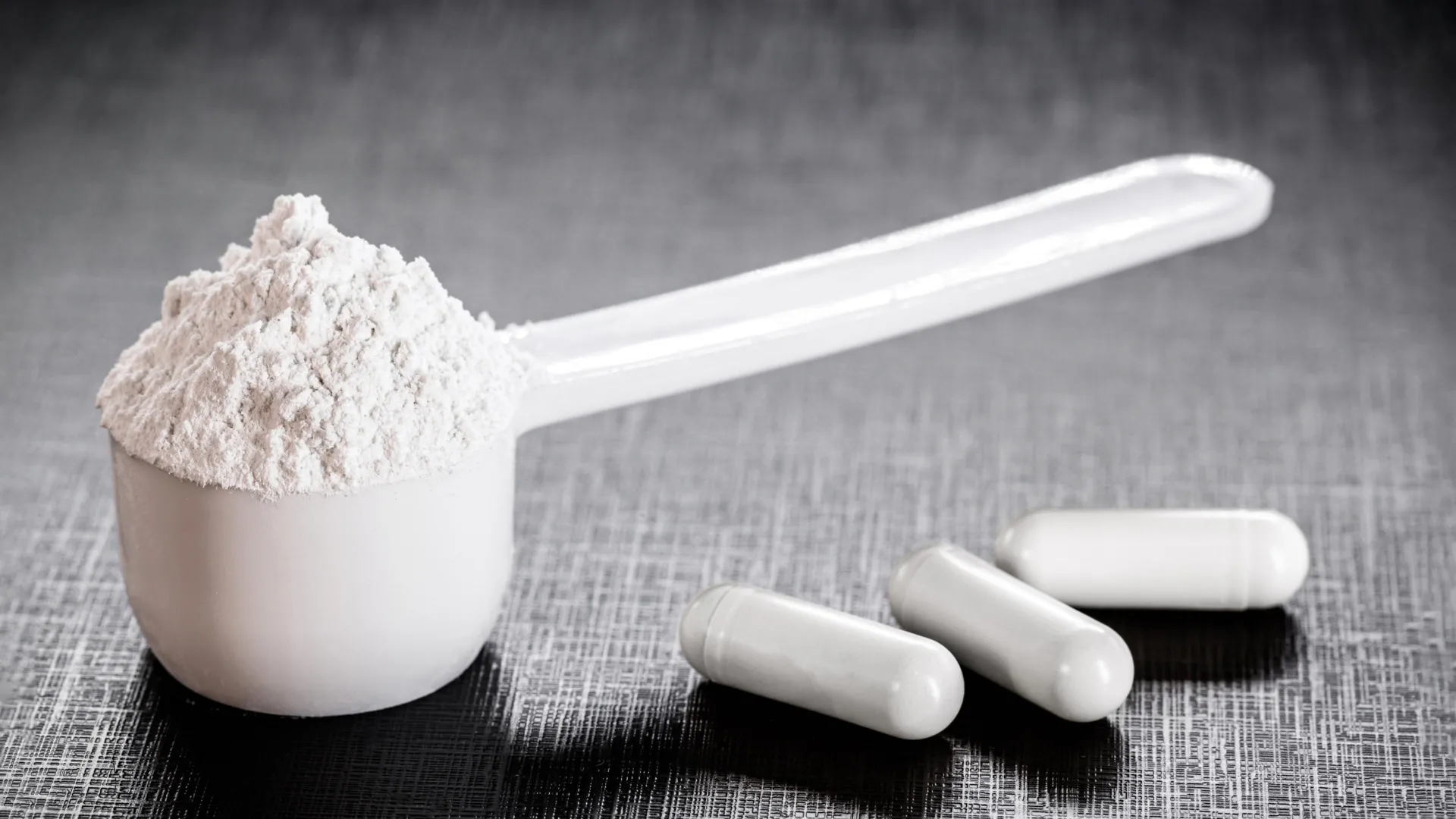
- What they found: Peer-reviewed research published as open-access material on June 30 demonstrates that creatine supplementation may help fight depression. This represents a novel mechanism for treating mood disorders through a biochemical intervention separate from traditional antidepressant pathways.
- Why it matters: If validated in larger trials, creatine could offer an accessible, low-cost adjunctive or alternative treatment for depression—especially valuable for patients who don't respond to conventional SSRIs. The approach targets metabolic mechanisms rather than serotonin, opening new therapeutic avenues.
- Sample/Method: Peer-reviewed research with open-access publication.
Massive study links teen marijuana use to double the risk of serious mental illness | ScienceDaily
Scientists say creatine may help fight depression | ScienceDaily
Mental Health Research News -- ScienceDaily
New depression treatment targets the immune system instead of the brain | ScienceDaily
Researchers find ADHD strengths linked to better mental health | ScienceDaily
Severe Mental Illness and Infection Mortality Risk
- Published in: MQ Mental Health Research, June 30, 2026
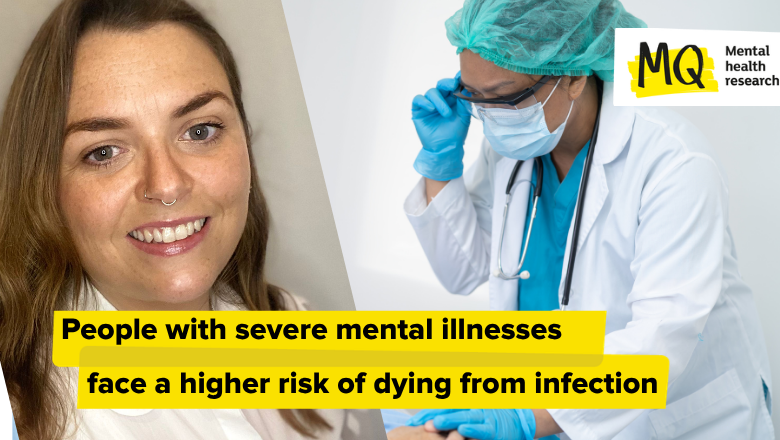
- What they found: New research led by Dr. Amy Ronaldson reveals that people living with severe mental illness face significantly elevated risk of dying from common infections—an overlooked health disparity that compounds existing inequalities.
- Why it matters: This finding highlights a critical but underrecognized gap in health outcomes for people with serious mental health conditions. The increased infection mortality risk suggests systemic barriers to preventive care, early intervention, and treatment access among this vulnerable population.
- Sample/Method: Observational research examining infection-related mortality in people with severe mental illness.
Older Adults' Metacognitive Accuracy for Mental Sharpness
- Published in: UC Davis Health, June 2026
- What they found: A smartwatch-based study found that older adults can accurately judge their own mental sharpness in daily life. Their perceptions of cognitive performance closely align with objectively measured performance, validating subjective awareness as a clinical indicator.
- Why it matters: This research supports the reliability of patient self-report in cognitive assessment and may enable more accessible, real-world monitoring of age-related cognitive decline. The finding improves clinicians' ability to trust and use patient perspectives in cognitive health management.
- Sample/Method: Wearable technology-based study comparing self-perceived and objectively measured cognitive performance in older adults.

Clinical & Treatment Updates
-
Elunetirom for Bipolar Depression (Autobahn Therapeutics): Autobahn Therapeutics announced positive topline data from the phase 2 AMPLIFY-BD trial evaluating elunetirom as an adjunctive treatment for patients with bipolar I or bipolar II depression. This advance represents progress in expanding treatment options for this hard-to-treat condition.
-
Agomelatine Delivery System Innovation (Alzamend Neuro): Alzamend Neuro announced encouraging pharmacodynamic findings for an improved agomelatine formulation that achieves therapeutic levels at lower doses, reducing liver exposure and eliminating the need for liver function monitoring—addressing a major safety concern with the original formulation.
Policy & Society
- 2026 Chatbots and Mental Health Survey (APA): The American Psychological Association released findings from the 2026 Chatbots and Mental Health Survey, revealing that patients are increasingly bringing AI tools to therapy and using chatbots for mental health support. This trend reflects both opportunity and the need for professional guidance on safe, evidence-based use of AI in mental health care.

-
Workplace Mental Health as Performance Investment: Recent guidance emphasizes that workplace mental health initiatives are not optional perks but strategic performance investments. Employers are increasingly recognizing that proactive, tailored wellness programs drive measurable return on investment (ROI) and value on investment (VOI) while supporting employee mental health.
-
Mental Health Measurement Standards in Europe: A WHO/Europe study released June 25, 2026, found wide variation in how mental health research is measured across the WHO European Region, highlighting an urgent need for standardized monitoring and assessment frameworks to improve data comparability and policy effectiveness.

Expert Perspectives
This week's research reveals three interconnected trends reshaping mental health care: epidemiological risk (cannabis-induced psychiatric harm in adolescence), neurobiological innovation (novel treatment mechanisms like creatine), and technological integration (AI chatbots entering therapeutic spaces). Together, these findings suggest a field grappling with prevention failures among youth, urgent gaps in treatment options for treatment-resistant conditions, and rapid—perhaps unvetted—adoption of AI tools by patients seeking help. The WHO's findings on measurement inconsistency across Europe, combined with evidence of infection mortality disparities in severe mental illness, indicate that progress in drug development is outpacing progress in equitable, standardized care delivery. Clinicians and policymakers must prioritize youth prevention efforts, support innovation while maintaining safety standards for AI-assisted care, and address systemic health inequities among vulnerable populations.
What to Watch
-
Phase 3 trials for LSD-based anxiety treatment (MAPS/MM120): Three Phase 3 trials—Voyage, Panorama, and Emerge—are underway evaluating MM120 for anxiety, with results expected through 2026. These outcomes will determine whether psychedelic-assisted therapy moves closer to FDA approval and mainstream clinical practice.
-
Measurement standardization initiatives by WHO/Europe: The WHO's identification of inconsistent mental health metrics across the European Region suggests imminent efforts to establish standardized assessment frameworks—critical infrastructure for comparing outcomes and building evidence-based policy across borders.
-
Expansion of AI-assisted mental health tools in clinical settings: As the APA's survey documents growing patient use of chatbots, watch for regulatory guidance, professional standards, and clinical trial evidence on safe integration of AI tools into licensed mental health practice.
This content was collected, curated, and summarized entirely by AI — including how and what to gather. It may contain inaccuracies. Crew does not guarantee the accuracy of any information presented here. Always verify facts on your own before acting on them. Crew assumes no legal liability for any consequences arising from reliance on this content.
Powered by
