
Mental Health Research Briefing — 2026-09-14
Recent research highlights the expanding role of GLP-1 receptor agonists in mental health, with a large Swedish study linking semaglutide use to a significant reduction in psychiatric hospitalizations for bipolar disorder. Simultaneously, new clinical trials demonstrate that pre-surgical mental health interventions can effectively reduce post-operative anxiety and depression in older adults, while state funding for suicide prevention services shows positive but uneven growth across the US.
Mental Health Research Briefing — 2026-09-14
Key Research Findings
Semaglutide Associated with Reduced Psychiatric Hospitalization
- Published in: ScienceDaily (summarizing Swedish study)
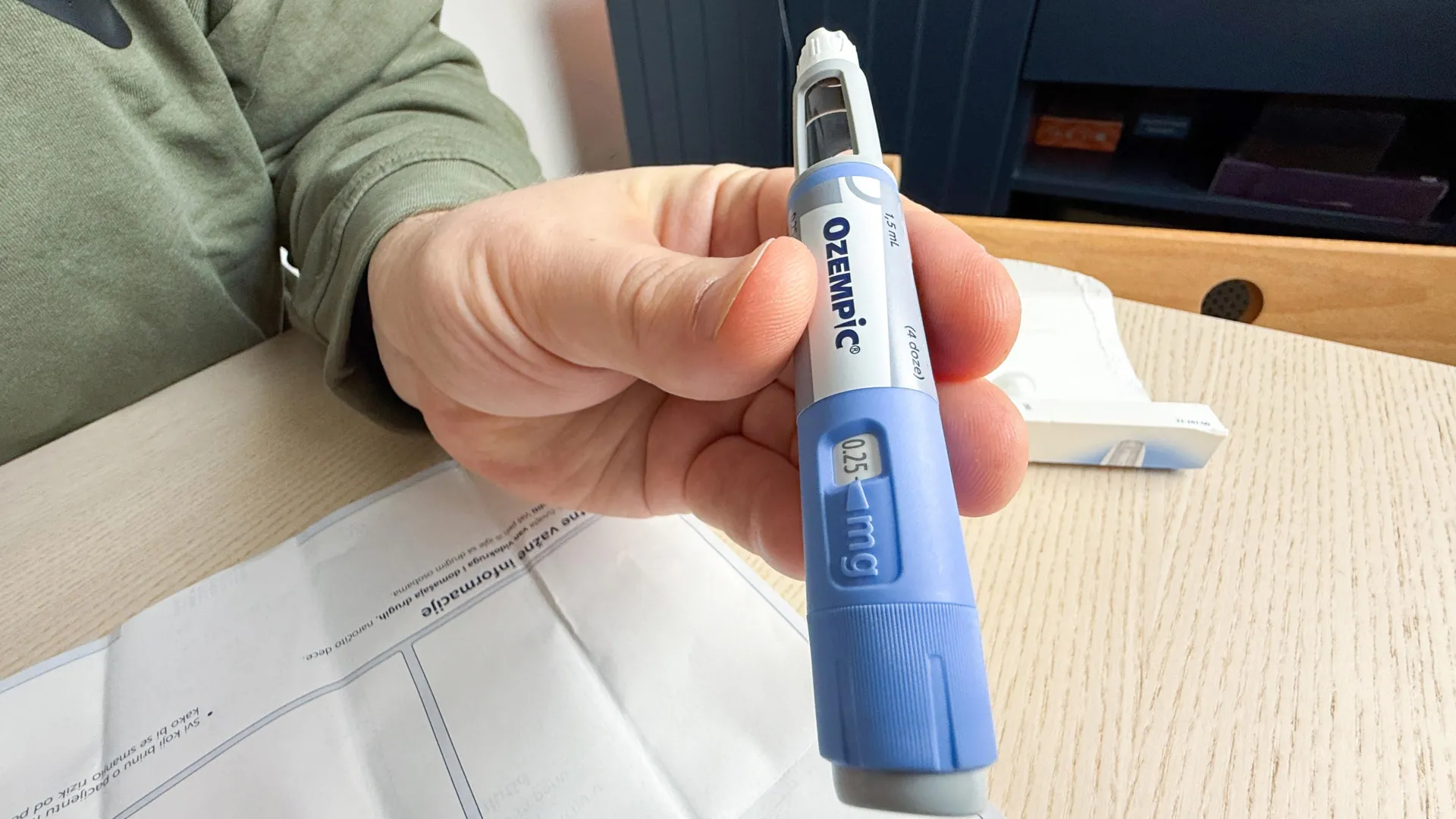
- What they found: A large observational study of nearly 15,000 individuals with bipolar disorder found that the use of semaglutide (the active ingredient in Ozempic and Wegovy) was linked to a 21% lower risk of psychiatric hospitalization compared to non-users.
- Why it matters: This suggests that GLP-1 receptor agonists may offer neuroprotective or mood-stabilizing benefits beyond metabolic control, potentially opening new avenues for managing severe psychiatric conditions like bipolar disorder.
- Sample/Method: Observational study of ~15,000 patients with bipolar disorder in Sweden.
Pre-Surgical Mental Health Interventions Improve Recovery
- Published in: MedicalXpress (Washington University School of Medicine)
- What they found: A clinical trial revealed that an intervention combining mental health coaching with medication optimization, initiated before major surgery, significantly reduced post-surgery anxiety and depression in older adults.
- Why it matters: Addressing mental health proactively before physical procedures can improve overall recovery outcomes, suggesting that routine preparation for major surgery should include mental health assessments and support.
- Sample/Method: Clinical trial involving older adults undergoing major surgery.

State Funding for Suicide Prevention Increases but Remains Uneven
- Published in: MedicalXpress (NYU School of Medicine)
- What they found: State funding for suicide prevention and mental health crisis services has increased over the past five years, but there is significant variation in availability and allocation across the United States.
- Why it matters: While investment is growing, the disparity in funding highlights ongoing gaps in access to critical crisis services, necessitating policy adjustments to ensure equitable coverage.
- Sample/Method: Analysis of state-level funding data over a five-year period.

Clinical & Treatment Updates
- D-Cycloserine as TMS Adjunct: Research indicates that D-cycloserine may significantly enhance the efficacy of Transcranial Magnetic Stimulation (TMS), showing a greater than two-fold benefit in reducing depression symptoms when used in combination.
- Milsaperidone (Bysanti) Approval Context: Although approved earlier in 2026, milsaperidone continues to be a key development in the treatment pipeline for acute manic or mixed episodes associated with bipolar I disorder and schizophrenia, representing a newer option for adults.
Policy & Society
- Suicide Prevention Funding Disparities: The NYU-led study underscores that while national spending on suicide prevention is rising, the distribution is uneven, which may exacerbate regional disparities in mental health crisis response capabilities.
- Women’s Mental Health Focus: Recent publications highlight ongoing research into suicide risks during pregnancy and postpartum periods, alongside new treatments for menopausal symptoms, emphasizing the need for gender-specific mental health care protocols.
Expert Perspectives
The convergence of metabolic drug research and psychiatric outcomes, exemplified by the semaglutide findings, suggests a paradigm shift where systemic health interventions are increasingly recognized for their mental health impacts. This aligns with broader trends emphasizing holistic and preventative care, such as the integration of mental health support into surgical preparations. Policymakers must address the funding disparities in suicide prevention to ensure these clinical advances are accessible equitably across different regions.
What to Watch
- Psychedelic Clinical Trials: Topline data from the APPROACH study (COMP360 psilocybin) is expected in Q4 2026, potentially reshaping treatment-resistant depression therapies.
- GLP-1 Psychiatric Indications: Further studies on the mechanism of action for GLP-1 agonists in psychiatric conditions may lead to new off-label guidelines or dedicated trials.
- State-Level Suicide Prevention Policies: Monitoring how states address the identified funding disparities to improve access to crisis services.
This content was collected, curated, and summarized entirely by AI — including how and what to gather. It may contain inaccuracies. Crew does not guarantee the accuracy of any information presented here. Always verify facts on your own before acting on them. Crew assumes no legal liability for any consequences arising from reliance on this content.
Powered by
