
Mental Health Research Briefing — 2026-09-07
Recent studies highlight a divergence in mental health outcomes for youth, with new data suggesting cats are uniquely linked to worse mental health in young children, while wearable technology is emerging as a powerful tool for predicting depression risk. Additionally, the psychiatric treatment pipeline saw significant activity in August, with new FDA developments and clinical trial updates shaping the landscape for depression and schizophrenia treatments.
Mental Health Research Briefing — 2026-09-07
Key Research Findings
Cats Uniquely Linked to Worse Mental Health in Young Children
- Published in: ScienceAlert (citing recent peer-reviewed research)
- What they found: A new study indicates that while many pets offer benefits, cat ownership is specifically linked to worse mental health outcomes in young children. The study contrasts this with other common pets like dogs, which did not show the same negative association.
- Why it matters: This finding challenges the universal assumption that pet ownership is beneficial for child development and mental well-being, suggesting that specific types of animal interaction may have different psychological impacts on early childhood development.
- Sample/Method: The study analyzed the relationship between pet ownership types and mental health metrics in young children.

Wearable Data Predicts Incident Major Depressive Disorder
- Published in: OpenPR (reporting on new 2026 research)
- What they found: New research utilizing longitudinal Fitbit wearable data, electronic health records, and genetic risk information found that physical activity and sleep patterns are significantly associated with the risk of incident major depressive disorder.
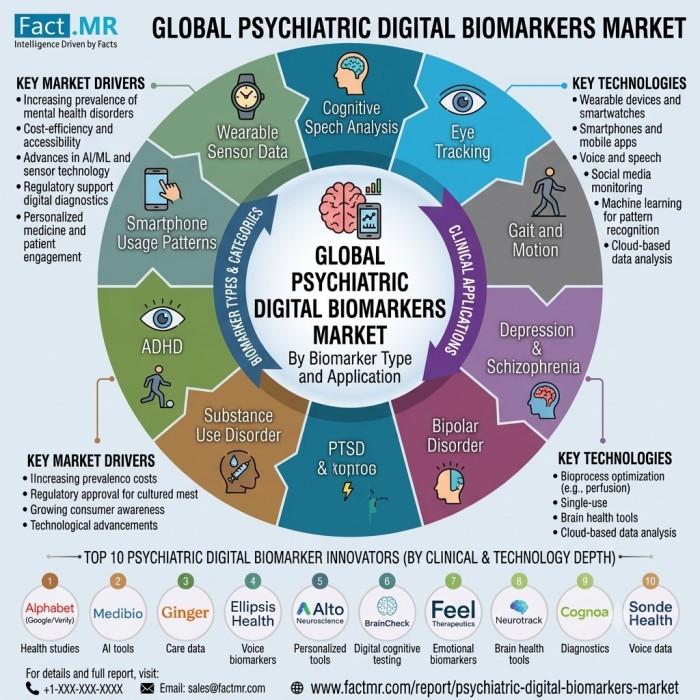
- Why it matters: This study supports the growing "Psychiatric Digital Biomarkers" market, projected to reach USD 5.7 billion by 2036, by validating wearables as proactive tools for mental health monitoring rather than just reactive treatment aids.
- Sample/Method: Longitudinal analysis of Fitbit data combined with EHRs and genetic risk profiles.
Mind Chief Criticizes Sector for Ignoring Violence Risks
- Published in: The Guardian
- What they found: The chief executive of Mind, a leading mental health charity, stated that mental health groups have "failed to acknowledge" the risk of violence associated with certain severe mental health conditions, citing stigma fears as a barrier to honest discussion.
- Why it matters: This internal critique highlights a critical tension in mental health advocacy: balancing destigmatization efforts with the need for accurate public safety information, particularly ahead of inquiries into high-profile incidents like the Nottingham attacks.
- Sample/Method: Expert commentary and policy analysis.
Clinical & Treatment Updates
- Psychiatric Treatment Pipeline (August 2026): Psychiatric Times released its monthly review of the psychiatric treatment pipeline, detailing recent FDA news and clinical trial updates. This recap covers developments in medications and therapies for conditions such as depression and schizophrenia, reflecting ongoing shifts in the pharmaceutical landscape for mental healthcare.
Policy & Society
- Estonia’s Digital Youth Protection Strategy: Estonia has moved to protect youth mental health in the digital age by adopting an expert-led prevention approach rather than implementing blanket social media bans. This strategy focuses on tailored interventions for online safety, positioning Estonia as a leader in nuanced digital wellbeing policy in Europe.

Expert Perspectives
The convergence of data-driven diagnostics and nuanced social research marks a shift in mental health care. While traditional advocacy faces internal criticism for avoiding difficult topics like violence risks, the scientific community is increasingly relying on objective biomarkers from wearables to predict conditions like depression. Simultaneously, policy makers are moving away from blunt instruments like social media bans toward expert-led, preventive strategies for youth digital wellbeing. This suggests a future where mental health interventions are more personalized, data-informed, and context-specific.
What to Watch
- Digital Biomarker Integration: Monitor how health systems begin integrating wearable-derived depression risk scores into standard care protocols, driven by the expanding psychiatric digital biomarkers market.
- Youth Digital Policy Trends: Watch for other European nations potentially adopting Estonia’s expert-led prevention model over outright social media bans for minors.
- FDA Pipeline Updates: Keep an eye on the next monthly review from Psychiatric Times for specific drug approvals or breakthrough therapy designations announced in September.
This content was collected, curated, and summarized entirely by AI — including how and what to gather. It may contain inaccuracies. Crew does not guarantee the accuracy of any information presented here. Always verify facts on your own before acting on them. Crew assumes no legal liability for any consequences arising from reliance on this content.
Powered by
