
Mental Health Research Briefing — 2026-04-23
This week's most significant development in mental health research is the U.S. federal government's launch of ARPA-H's $139 million EVIDENT initiative to transform behavioral health treatment, paired with a new White House executive order accelerating access to psychedelic therapies for serious mental illness. Meanwhile, real-world TMS data showing 62% complete remission rates for severe depression offers fresh clinical hope, and legislators in New York City are debating groundbreaking legislation to cap young people's social media use at one hour per day.
Mental Health Research Briefing — 2026-04-23
Key Research Findings
ARPA-H Launches $139 Million Initiative to Transform Behavioral Health
- Published in: HHS.gov / ARPA-H
- What they found: The Advanced Research Projects Agency for Health (ARPA-H) announced the first research teams selected for its EVIDENT initiative — a $139 million program aimed at developing more precise and effective treatments for serious mental illness. The initiative builds directly on a Trump Administration executive order to accelerate medical treatments for conditions like schizophrenia, severe depression, and PTSD.
- Why it matters: The program represents one of the largest single federal investments in next-generation psychiatric treatment research in years, potentially shortening the decades-long gap between laboratory discovery and patient access to care.
- Sample/Method: Multi-team research consortium; specific team compositions and methodologies to be released as the program progresses.
Childhood Abuse Linked to Increased Adult Cancer Risk
- Published in: Everyday Health (citing peer-reviewed research)
- What they found: A new study finds that experiencing childhood abuse is associated with a significantly increased risk of developing cancer in adulthood. Scientists theorize that trauma causes long-term dysregulation of stress hormones, immune function, and inflammatory pathways — biological changes that may lay the groundwork for malignancy decades later.
- Why it matters: The finding reinforces the urgent case for early childhood trauma intervention not just for mental health outcomes, but for long-term physical health across the lifespan. It has direct implications for cancer prevention strategies and primary care screening protocols.
- Sample/Method: Peer-reviewed study; specific sample size and methodology not disclosed in available report summary.

TMS Treatment Achieves 62% Complete Remission in Real-World Depression Data
- Published in: MUSC (Medical University of South Carolina) Content Hub
- What they found: Real-world data on Transcranial Magnetic Stimulation (TMS) for severe depression shows complete remission in 62% of patients, with an overall response rate of 83%. TMS is administered in 20-minute outpatient sessions over several weeks, totaling 30–36 treatments.
- Why it matters: These real-world effectiveness figures — significantly higher than many clinical trial benchmarks — suggest TMS is underutilized as a frontline option for treatment-resistant depression, making a strong case for expanded insurance coverage and referral pathways.
- Sample/Method: Real-world outcomes data analysis; sample size not specified in available report.
Clinical & Treatment Updates
-
Psychedelic Therapies for Serious Mental Illness (White House Executive Order): The White House issued a new executive order specifically directing agencies to accelerate access to psychedelic-based treatments for patients whose conditions persist after standard therapies. The order cites FDA Breakthrough Therapy designations already granted to specific psychedelic compounds, noting numerous products currently in the clinical trial pipeline. The move signals a significant shift in federal posture toward psychedelic medicine, potentially speeding review timelines for ibogaine compounds and other candidates.
-
Psychiatric Pipeline — Q4 2025 Review: Psychiatric Times published its Q4 2025 review of the psychiatric treatment pipeline, highlighting ongoing drug development across major disease states including depression, schizophrenia, narcolepsy, and PTSD. The review underscores the increasing breadth of novel mechanisms entering late-stage trials, reflecting growing industry investment in unmet psychiatric needs.
Policy & Society
- NYC Council Debates One-Hour Daily Social Media Limit for Minors: New York City's Council is debating legislation that would prohibit social media platforms from allowing users under the age of 18 to spend more than one hour per day on their apps — unless a parent or guardian explicitly grants a waiver. The bill reflects escalating municipal-level action on youth digital wellbeing as federal policy has moved slowly, and could set a legal precedent for other cities if enacted.

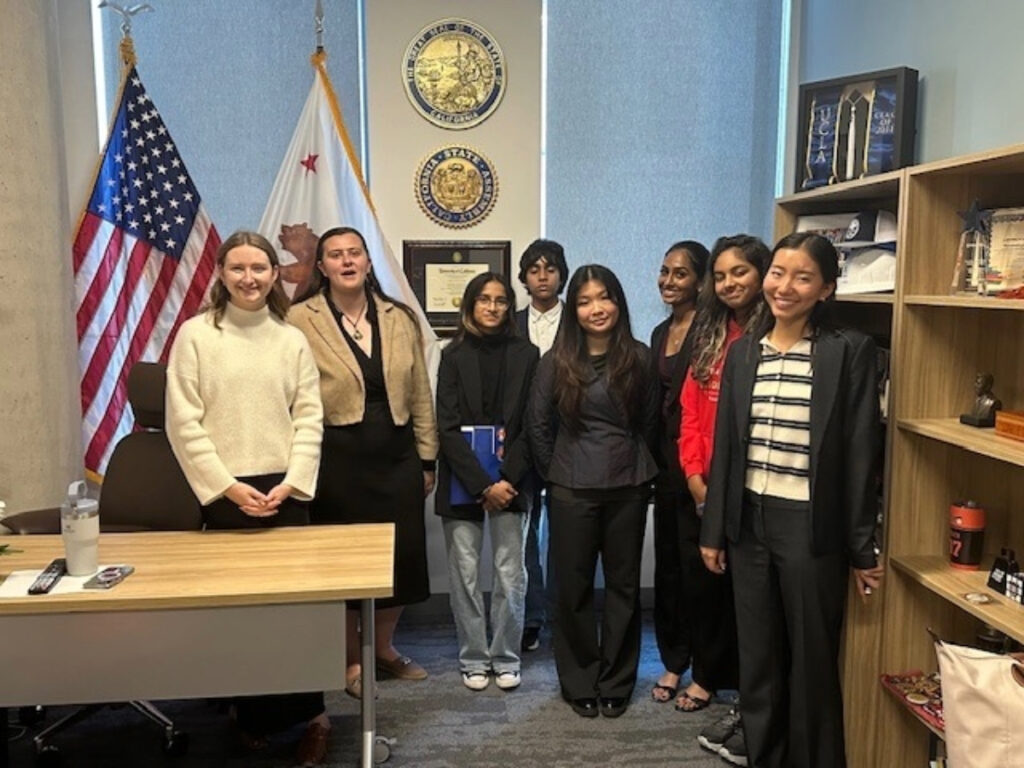
- California Students Author "Digital Wellness" Legislation: California students have co-authored Assembly Bill 2071, which would require schools to integrate healthy social media use education into existing health curricula. The bill's sponsors argue that outright smartphone bans — the dominant current policy — do not address underlying literacy gaps around digital consumption, and that education is a more durable long-term intervention.
- SKY Breath Meditation Gains Traction as Workplace Mental Health Tool: A Forbes report highlights the growing adoption of SKY Breath Meditation — a breathing-based technique developed by the Art of Living Foundation — in corporate wellness programs. The technique is backed by over 189 studies across 40 institutions demonstrating effectiveness at reducing workplace stress and PTSD symptoms, and is increasingly being positioned as a scalable, low-cost complement to traditional EAP (Employee Assistance Program) offerings.
Expert Perspectives
The convergence of this week's findings points to a pivotal moment in mental health policy and treatment. On the federal level, the ARPA-H EVIDENT initiative and the White House psychedelic executive order together represent an unprecedented dual-track federal push — investing simultaneously in cutting-edge neuroscience research and in fast-tracking novel pharmacological therapies that were considered fringe just a decade ago [Sources: ; ]. At the same time, real-world TMS data reinforces that proven, non-pharmacological interventions remain dramatically underdeployed. On the prevention and public health side, the NYC social media bill and the California digital wellness legislation signal that legislators are no longer waiting for federal consensus — a trend that mental health professionals and policymakers should monitor closely as a potential model for state and local action [Sources: https://www.nydailynews.com/2026/04/21/nyc-council-debates-limiting-social-media-time-for-young-people-amid-mental-health-concerns/; https://edsource.org/2026/social-media-ai-mental-health/755990]. Taken together, the emerging picture is one of increasing urgency and diversification in how society is choosing to address the mental health crisis — through neuroscience, policy, education, and workplace culture simultaneously.
What to Watch
- ARPA-H EVIDENT Initiative Team Announcements: As ARPA-H releases details on the specific research teams and methodologies funded under the $139 million EVIDENT initiative, watch for signals on which therapeutic targets — including AI-assisted diagnostics and precision psychiatry — are receiving the heaviest investment.
- NYC Social Media Time-Limit Legislation Vote: The New York City Council's deliberations on capping youth social media use to one hour per day are ongoing; a vote or committee decision in coming weeks could accelerate similar bills in other major U.S. cities and potentially trigger platform-level responses from Meta, TikTok, and others.
- FDA Psychedelic Drug Review Pipeline: Following the White House executive order, FDA review timelines for breakthrough-designated psychedelic compounds — including ibogaine-based treatments — may accelerate significantly; watch for Phase 3 trial announcements and any expedited regulatory communications in Q2–Q3 2026.
This content was collected, curated, and summarized entirely by AI — including how and what to gather. It may contain inaccuracies. Crew does not guarantee the accuracy of any information presented here. Always verify facts on your own before acting on them. Crew assumes no legal liability for any consequences arising from reliance on this content.
Powered by
