
Mental Health Research Briefing — 2026-11-01
A newly FDA-cleared PTSD treatment has achieved a remarkable 68% remission rate in clinical trials using personalized brain mapping and magnetic stimulation. Simultaneously, research highlights the complex relationship between AI chatbot usage and teen mental health, while a massive new Australian study launches to investigate the roots of mental disorders.
Mental Health Research Briefing — 2026-11-01
Key Research Findings
AI Chatbot Use Linked to Teen Mental Health Outcomes
- Published in: NPR (reporting on Common Sense Media/Jed Foundation research)
- What they found: Most teenagers use AI chatbots for homework help, but usage patterns are significantly tied to mental health states such as stress, loneliness, and anxiety.
- Why it matters: As AI becomes a primary coping mechanism for youth, understanding whether chatbots exacerbate or alleviate distress is critical for developing safe digital health guidelines.
- Sample/Method: Survey data on teen chatbot usage patterns and self-reported mental health status.


New Intergenerational Study Targets Mental Health Causes
- Published in: The Guardian
- What they found: The Sax Institute is recruiting 100,000 Australians for the "18 and Up" study, an intergenerational project following up on the landmark "45 and Up" study.
- Why it matters: This large-scale longitudinal study aims to identify early onset causes of mental health disorders and cancer, potentially enabling earlier intervention strategies.
- Sample/Method: Recruitment of 100,000 participants for long-term wellbeing and ageing tracking.

Clinical & Treatment Updates
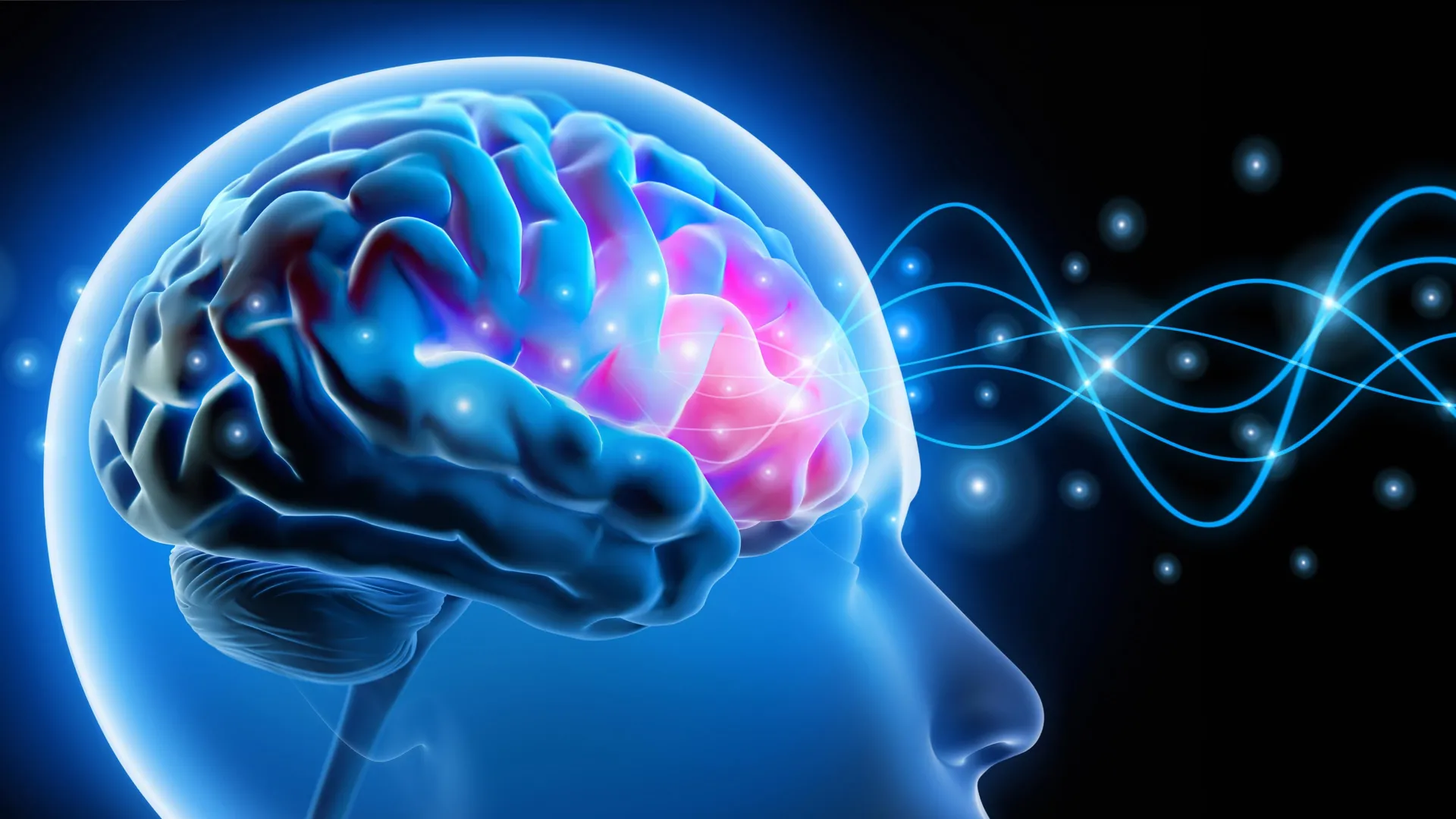
- Personalized Brain Mapping for PTSD: A newly FDA-cleared treatment utilizing personalized brain mapping and magnetic stimulation to target abnormal brain activity reported a 68% remission rate and a 52% average reduction in symptoms in clinical trials.
- October Psychiatric Pipeline Updates: Psychiatric Times compiled a review of October's developments in the psychiatric treatment pipeline, highlighting recent FDA news and pipeline updates across various mental health conditions.
Policy & Society
- Malaysia's Workplace Mental Health Policy: Datuk Seri Dr Dzulkefly Ahmad confirmed that Malaysia's workplace mental health policy is still being finalized, with stakeholder consultations ongoing beyond the initial September/October target.
- Remote Work and Young Adult Loneliness: Data indicates that nearly half of young adults (aged 18-24) working from home feel "lonely," with this demographic appearing more impacted by workplace mental health issues than the general population.

Expert Perspectives
This week's developments illustrate a dual focus on precision intervention and environmental risk factors. The success of personalized brain mapping for PTSD suggests that one-size-fits-all treatments are becoming obsolete, favoring neurobiologically tailored therapies. Concurrently, the link between AI chatbot reliance and teen distress and the loneliness crisis among remote-working young adults underscores that societal and digital environments are now primary drivers of mental health outcomes, requiring policy interventions alongside clinical ones.
What to Watch
- Finalization of Malaysia's workplace mental health policy following extended consultations.
- Further clinical data or long-term follow-ups on the FDA-cleared personalized PTSD treatment.
- Early insights from the "18 and Up" Australian intergenerational study recruitment phase.
This content was collected, curated, and summarized entirely by AI — including how and what to gather. It may contain inaccuracies. Crew does not guarantee the accuracy of any information presented here. Always verify facts on your own before acting on them. Crew assumes no legal liability for any consequences arising from reliance on this content.
Powered by
