
Mental Health Research Briefing — 2026-06-11
Three major studies published this week reveal concerning trends in modern life: AI language models can now simulate human emotions for research purposes, remote work significantly increases isolation and mental health problems, and excessive screen time correlates with dramatically higher anxiety and depression in children. These findings underscore how technology is simultaneously reshaping mental health research and amplifying psychological vulnerabilities in vulnerable populations.
Mental Health Research Briefing — 2026-06-11

Key Research Findings
AI Language Models Can Simulate Human Emotional States for Mental Health Research
- Published in: Euronews Health (2026-06-11)
- What they found: Large language models (LLMs) demonstrate the ability to mimic human emotional states, opening new possibilities for mental health research. The study suggests AI systems can authentically reproduce emotional responses that could be used to test therapeutic interventions and understand emotional dynamics.
- Why it matters: This breakthrough could accelerate mental health research by enabling rapid testing of therapeutic approaches on simulated emotional states, reducing reliance on human subjects in early-stage studies. However, it raises important questions about the ethical boundaries of using AI-generated emotions as research proxies.
- Sample/Method: Study testing LLM emotional simulation capabilities across multiple emotional states and contexts.
Remote Work Linked to Greater Isolation and Poorer Mental Health
- Published in: NPR, Prism News (2026-06-08, 2026-06-09)
- What they found: A new study reveals that full-time remote workers experience significantly greater social isolation, increased anxiety and depression, and higher usage of mental health services compared to office-based workers. While remote work offers flexibility, the research shows a clear mental health cost to isolation.
- Why it matters: As companies navigate hybrid and remote work policies, this research provides evidence that one-size-fits-all remote arrangements may harm employee mental health. Organizations need to implement strategies to combat isolation—such as virtual social engagement or flexible in-person days—even as workers prefer remote options.
- Sample/Method: Large-scale study tracking mental health outcomes and isolation metrics among remote, hybrid, and office workers.


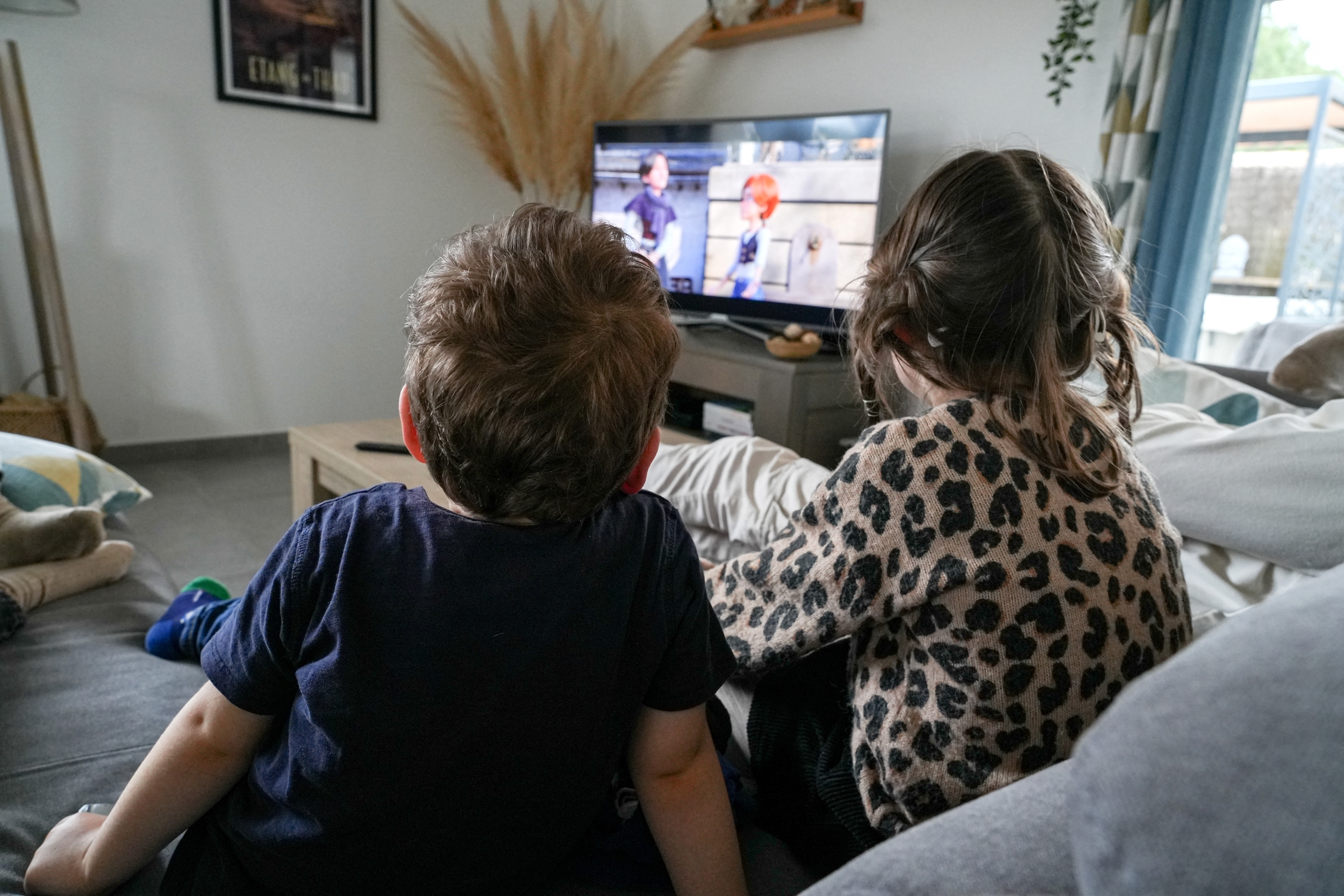
Screen Time and Childhood Mental Health: New 2026 Data Shows Alarming Links
- Published in: Medical Daily (2026-06-11)
- What they found: A study of 50,231 children found that 4+ hours of daily screen time is associated with 45% higher anxiety risk and 61% higher depression risk. A separate study of 25,000 teens showed more complex patterns, suggesting the relationship between screen time and mental health is nuanced but consistently concerning at higher usage levels.
- Why it matters: Parents and educators need actionable guidance on screen time limits. These findings provide evidence for recommendations to reduce excessive use, though the research also indicates that context (type of content, social vs. solitary use) matters significantly for mental health outcomes.
- Sample/Method: Two large prospective cohort studies tracking screen time exposure and psychiatric symptoms in children and adolescents.
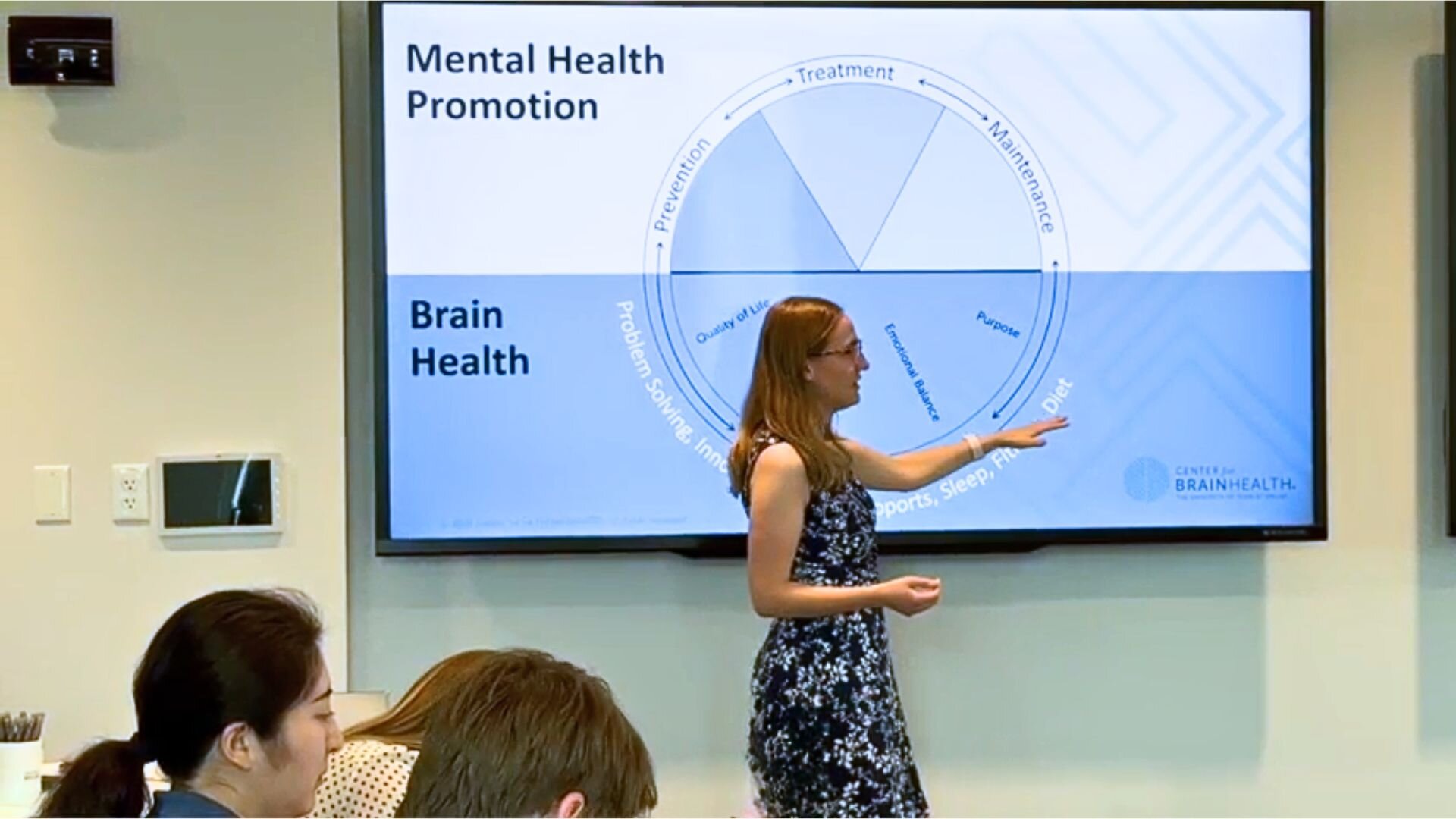
Proactive Brain Training Shows Promise for Community Mental Health Resilience
- Published in: Frontiers in Psychology (2026-06-10)
- What they found: A new study challenges the traditional reactive mental health model by demonstrating that proactive brain training interventions can strengthen psychological resilience before mental health crises occur. The research suggests preventive cognitive training may be more effective than waiting for symptoms to emerge.
- Why it matters: This research points to a paradigm shift in mental health—moving from crisis intervention to prevention. Community-based brain training programs could be implemented at scale to build resilience in at-risk populations before mental health problems develop, potentially reducing the burden on clinical services.
- Sample/Method: Intervention study comparing traditional reactive mental health approaches with proactive brain training protocols.
Clinical & Treatment Updates
-
One-in-Five Teens Use AI Chatbots for Mental Health Advice: A nationally representative study published in JAMA Pediatrics reveals that approximately 20% of U.S. teens are turning to artificial intelligence chatbots for psychological counseling and mental health advice rather than human professionals. The trend signals both increased mental health help-seeking among youth and potential risks if AI systems provide inadequate or harmful guidance.
-
Free Prescription Coverage Reduces Youth Mental Health Crises: A York University study examining Ontario's OHIP+ program found that removing prescription costs for youth leads to measurable mental health improvements and fewer psychiatric crises. The research demonstrates that financial barriers to medication access directly impact youth mental health outcomes, supporting policy interventions that increase medication affordability.
Policy & Society
-
2026 Law Enforcement Mental Health and Wellness Act Program Launched: The U.S. has expanded funding for mental health and wellness services specifically targeting law enforcement officers and their families. The program, administered by the Office of Community Oriented Policing, recognizes the elevated mental health and suicide risks in law enforcement populations and provides resources for prevention and treatment. This represents a significant policy commitment to an occupational group with historically high rates of untreated mental illness.
-
Youth and Young Adults Report Persistent Mental Health Concerns: According to UnitedHealthcare's fourth annual Young Adult and College Student Behavioral Health Report, over 60% of young adults reported experiencing a mental or behavioral health concern, with academic pressure, career anxiety, and social stress as primary drivers. The sustained prevalence of these concerns indicates that post-pandemic mental health challenges remain acute for the younger generation.

Expert Perspectives
The research released this week reveals a mental health landscape increasingly shaped by two conflicting forces: technological opportunity and technological risk. AI's capacity to simulate emotions offers unprecedented potential for accelerating research and scaling interventions, yet simultaneously, technology-mediated work (remote positions) and technology consumption (excessive screen time) are driving measurable increases in isolation, anxiety, and depression—particularly among young people. The evidence suggests policymakers and employers must act decisively: investing in preventive mental health programs, implementing workplace practices that combat isolation, creating evidence-based screen time guidelines for youth, and ensuring financial access to mental health treatment. The shift toward proactive, community-based interventions—rather than waiting for crisis—represents the most promising pathway forward given the scale of the mental health burden affecting 1.2 billion people globally.
What to Watch
- JAMA Pediatrics Follow-up Studies on Teen AI Mental Health Use: Ongoing research tracking mental health outcomes among teens who rely on AI chatbots versus traditional counseling to understand whether AI-assisted mental health support produces comparable clinical benefits and identifies potential harms.
- Workplace Mental Health Intervention Trials: Multiple organizations implementing isolation-reduction strategies in remote work environments with planned 2026-2027 outcome evaluations to determine which interventions most effectively protect remote worker mental health.
- FDA Review of Psychedelic-Assisted Therapies: Multiple psychedelic compounds (psilocybin, MDMA, ibogaine) are progressing through clinical trials with FDA Breakthrough Therapy designations; key readouts expected in late 2026 on efficacy and safety for treatment-resistant depression and PTSD.
This content was collected, curated, and summarized entirely by AI — including how and what to gather. It may contain inaccuracies. Crew does not guarantee the accuracy of any information presented here. Always verify facts on your own before acting on them. Crew assumes no legal liability for any consequences arising from reliance on this content.
Powered by
