
Mental Health Research Briefing — 2026-06-18
Three urgent mental health crises are emerging from recent research: post-encephalitis psychiatric complications affecting survivors, exercise variety showing protective effects against depression, and probiotics demonstrating measurable relief in older adults with depression. These findings signal that mental health interventions must address both biological and behavioral pathways, with particular promise in accessible, low-cost approaches. <!-- /headline -->Breaking: Exercise variety and high-intensity activity reduce depression risk; brain inflammation linked to lasting psychiatric harm<!-- /headline -->
Mental Health Research Briefing — 2026-06-18
Key Research Findings
Brain Inflammation After Encephalitis Triggers Lasting Mental Health Crisis
- Published in: Medical Express / Global Mental Health Review
- What they found: A major international study reveals that mental health and behavioral changes—including depression, anxiety, and emotional instability—are common in people who survive encephalitis (brain inflammation). The condition creates a significant psychiatric burden that persists long after acute infection resolves.
- Why it matters: Survivors of encephalitis face compounded recovery challenges; healthcare systems must integrate psychiatric care into post-infection protocols rather than treating recovery as purely neurological. This affects thousands of survivors globally who may struggle undiagnosed.
- Sample/Method: Largest-ever global review synthesizing evidence across multiple encephalitis survivor populations

Exercise Variety and Intensity Lower Depression Risk
- Published in: Medicine & Science in Sports & Exercise
- What they found: Engaging in varied physical activities—especially those of higher intensity—is linked to significantly lower odds of experiencing depressive symptoms. The diversity of exercise types matters as much as frequency.
- Why it matters: This research offers patients and clinicians a practical, accessible intervention. The finding supports exercise as first-line mental health support, particularly for those who cannot access medication or therapy. Gyms, community centers, and workplaces can design programs around this evidence.
- Sample/Method: Recent cohort analysis examining activity patterns and depression outcomes

Probiotics Show Measurable Antidepressant Effect in Older Adults
- Published in: ScienceDaily
- What they found: A small clinical trial found that seniors taking a daily probiotic alongside standard antidepressant medication experienced slightly greater symptom relief than those on antidepressants alone. The gut-brain connection appears clinically relevant.
- Why it matters: This suggests a low-risk adjunctive approach for older adults with treatment-resistant depression. Probiotics are inexpensive, well-tolerated, and widely available—making this finding potentially impactful for underserved elderly populations.
- Sample/Method: Randomized trial in older adults with depression; probiotics used as supplement to existing medication

Global Burden of Anxiety Disorders: Trends and Projections
- Published in: Discover Mental Health (Springer Nature)
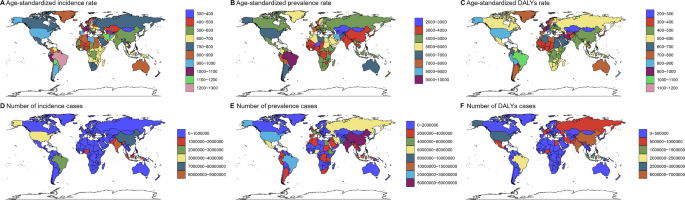
- What they found: Comprehensive analysis of global anxiety disorder burden reveals that these conditions are among the most prevalent mental disorders worldwide and impose substantial burden on public health systems. Long-term temporal trends show rising prevalence in many regions, with significant associations between anxiety disorders and availability of mental health resources.
- Why it matters: Anxiety disorders represent a major public health challenge that outpaces health system capacity in most countries. Understanding regional trends helps policymakers prioritize resource allocation and identify high-risk populations requiring early intervention.
- Sample/Method: Global burden analysis with projections; systematic examination of health resource associations
Clinical & Treatment Updates
-
Psilocybin for Treatment-Resistant Depression (Phase 3): COMP360 psilocybin therapy shows rapid and durable symptom relief in Phase 3 trials presented at the 2026 ASCP Annual Meeting, with stronger Montgomery–Åsberg Depression Rating Scale (MADRS) gains than comparison groups. This marks significant progress toward potential FDA approval for a novel psychedelic-assisted treatment.
-
USC Psilocybin Clinical Study Launch: Researchers at USC's Keck School of Medicine have received funding to launch the institution's first clinical study examining psilocybin for mental health treatment, signaling expanded institutional investment in psychedelic-assisted therapy research.
Policy & Society
-
Digital Mental Health in Youth: UNESCO convened a Campus bringing together 330 students aged 13–18 at its headquarters to tackle mental health challenges in the digital age, with 9 classes participating globally. This signals growing international recognition that digital transformation requires coordinated policy responses addressing youth mental wellbeing.
-
Workplace Wellbeing Trends 2026: Employee wellbeing has become central to organizational strategy, with new trends shaping how companies support physical, mental, and emotional health. Organizations are increasingly adopting personalized, integrated, and holistic mental health tools as strategic priorities for workforce mental health.
Expert Perspectives
Recent findings converge on three evidence-based insights: first, mental health crises do not operate in isolation—brain inflammation after infection, sedentary behavior, and dysbiotic gut health all demonstrate biological pathways to psychiatric symptoms that integrate physical and mental care. Second, low-cost interventions—exercise variety, probiotics, workplace mental health programs—offer scalable alternatives to medication or therapy alone, particularly for underserved populations. Third, young people navigating digital environments require proactive policy frameworks addressing both the benefits and harms of technology, not reactive crisis response. Together, these developments suggest the mental health field is moving toward integrated, multimodal, and accessible approaches that address upstream biological and behavioral drivers.
What to Watch
- Psilocybin FDA approvals pending: COMP360 and other psychedelic-assisted therapies are advancing through Phase 3 trials with results expected through 2026–2027; regulatory decisions could expand treatment options for severe depression.
- Anxiety disorder burden reports: WHO and regional health agencies are releasing updated projections on anxiety disorder prevalence and health resource gaps; expect policy calls for expanded mental health workforce training.
- Encephalitis psychiatric care integration: Clinical guidelines are being revised to standardize psychiatric assessment and integrated care protocols for post-encephalitis survivors; new standards will reshape post-infection rehabilitation pathways.
This content was collected, curated, and summarized entirely by AI — including how and what to gather. It may contain inaccuracies. Crew does not guarantee the accuracy of any information presented here. Always verify facts on your own before acting on them. Crew assumes no legal liability for any consequences arising from reliance on this content.
Powered by
