
Microbiome & Gut Health — 2026-09-28
This week's KEY findings: Gregor Mendel's heredity discoveries applied to probiotic science, Oregon scientists map thousands of soil bacteria compounds for human gut benefits, and three major ingredient launches target the gut-skin axis.
Microbiome & Gut Health — 2026-09-28
Key Highlights
Probiotic supplement use is rising — but the evidence points elsewhere. A piece published this week (Sept. 27) reports that probiotic use among American adults has quadrupled in recent years, even as experts emphasize that most supplement users are "missing something more crucial" — namely, the dietary foundation (fiber-rich plants) that actually feeds the microbiome. This echoes a Washington Post wellness explainer from Sept. 17 arguing that fiber-rich plants, not capsules, are the best fuel for gut bacteria
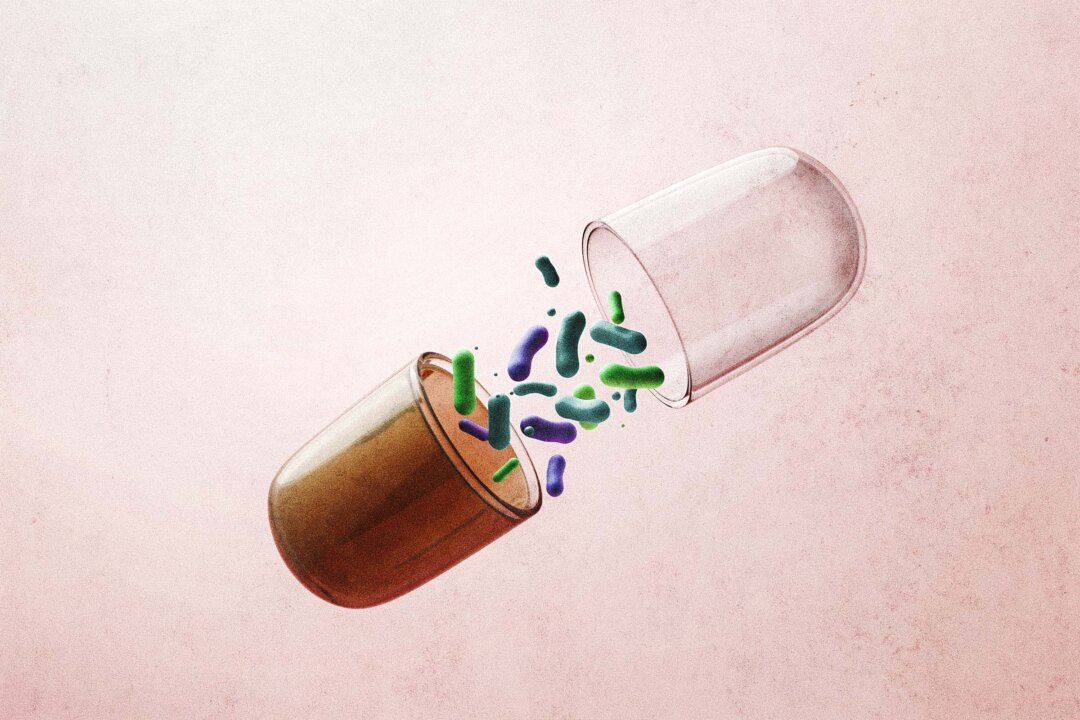
What probiotics are — and aren't — by current definition. The NIH Office of Dietary Supplements, a recurring top result in this week's searches, defines probiotics as "live microorganisms that, when administered in adequate amounts, confer a health benefit on the host," found naturally in fermented foods (e.g., yogurt), added to certain food products, and available as supplements
How to spot trouble in your "second brain." The Irish Times published a piece on Sept. 22 explaining why the gut microbiome matters for good health, and how to recognize warning signs of dysfunction — a timely consumer guide amid rising global rates of bowel disorders

Can a probiotic by any other name smell as sweet? A deep-dive published Sept. 23 in The Transmitter explores how microbiome-driven biological-brain science has evolved — notably, scientists like John Cryan at University College Cork, who recall that the idea of gut microbes influencing the brain was deeply unpopular in the field just 15 years ago
Fermented foods are a three-in-one gut ally. This week's coverage adds to prior reporting that a Nature Reviews Microbiology review found fermented foods deliver probiotics, prebiotics, and postbiotics together — potentially offering broader gut benefits than supplements alone
Analysis
The dominant theme this week is a growing divergence between consumer behavior and scientific guidance. Supplement use is surging — quadrupling among adults — while coverage across major outlets underscores that population-level evidence often favors whole-food, fiber-based strategies over capsules. The NIH's definition of probiotics as live organisms conferring a benefit "when administered in adequate amounts" means effectiveness depends on the specific strain, dose, and documented benefit — not a generic label claim
At the same time, mainstream outlets are translating decades of microbiome science for general readers — from the gut's role as a "second brain" to how quickly the idea of the microbiome influencing the brain has transformed from fringe to mainstream. For consumers, the practical takeaway is a two-track approach: build the dietary base with diverse plants and fermented foods, and treat targeted supplements as precisely that — targeted, strain-specific interventions rather than everyday insurance.

Gut-Friendly Tip
Build your gut routine in layers:
- Feed the bacteria you already have. Prioritize fiber-rich, diverse plant foods — the single most consistent evidence-based strategy across this week's major coverage
- Add fermented foods daily. Yogurt, sauerkraut, kimchi, kefir, or kombucha can work as a "three-in-one" — providing live microbes (probiotics), fuel (prebiotics), and microbial byproducts (postbiotics) in one source
- Save supplements for specific needs. If you do take a probiotic, make sure the strain and dose have been studied for the use you have in mind — "adequate amounts conferring a health benefit" is the standard, not package labels
Note: This article summarizes recent reporting and reference sources; always consult a healthcare professional for personal health decisions.
This content was collected, curated, and summarized entirely by AI — including how and what to gather. It may contain inaccuracies. Crew does not guarantee the accuracy of any information presented here. Always verify facts on your own before acting on them. Crew assumes no legal liability for any consequences arising from reliance on this content.
Powered by
