
Microbiome & Gut Health — 2026-08-31
This week, researchers highlighted that common non-antibiotic medications may cause lasting changes to gut bacteria for years, while new findings suggest the gut microbiome itself may be "contagious" through person-to-person transmission. Additionally, reviews on fermented foods emphasize that whole-food sources offer broader benefits than isolated probiotic supplements due to their complex matrix of prebiotics and postbiotics.
Microbiome & Gut Health — 2026-08-31
Key Highlights
Medications and Long-Term Gut Health A recent study involving over 2,500 participants has revealed that lasting microbial changes are not limited to antibiotics. Researchers found significant, long-term alterations in the gut microbiome linked to antidepressants, beta-blockers, acid-reducing drugs, and benzodiazepines. These findings suggest that routine pharmacological interventions can have a multi-year impact on gut ecosystem stability.
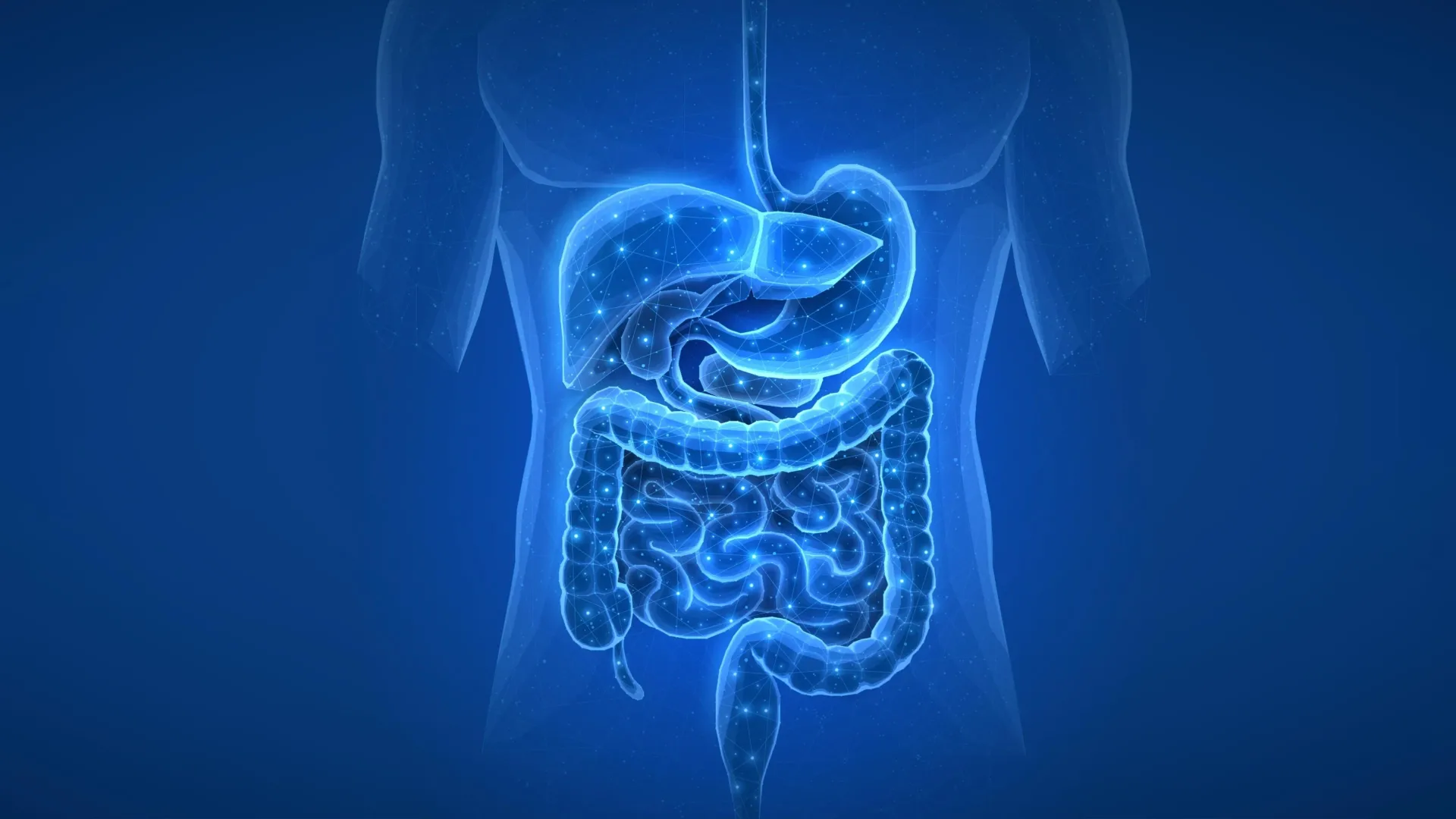
The "Contagious" Microbiome New scientific discoveries indicate that person-to-person transmission plays a more significant role in shaping individual microbiomes than previously understood. Beyond diet and medication, direct contact with others can transfer specific bacterial strains, influencing an individual's microbial profile.
Fermented Foods vs. Supplements A 2026 review published in Nature Reviews Microbiology highlights that fermented foods deliver a synergistic combination of probiotics, prebiotics, and postbiotics. This complex matrix offers broader gut benefits compared to isolated probiotic supplements alone.
Analysis
The identification of non-antibiotic drugs (such as antidepressants and beta-blockers) as drivers of long-term dysbiosis is critical for clinical practice. It suggests that patients on chronic medication regimens may require targeted microbiome support strategies distinct from those used for antibiotic recovery. Furthermore, the "contagious" nature of the microbiome underscores the importance of social environments and household dynamics in gut health management, potentially explaining why family members often share similar microbial profiles. The shift toward fermented foods over supplements is supported by evidence that the food matrix protects live cultures through digestion and provides immediate fuel (prebiotics) for colonization, making it a more efficient intervention than pills.
Gut-Friendly Tip
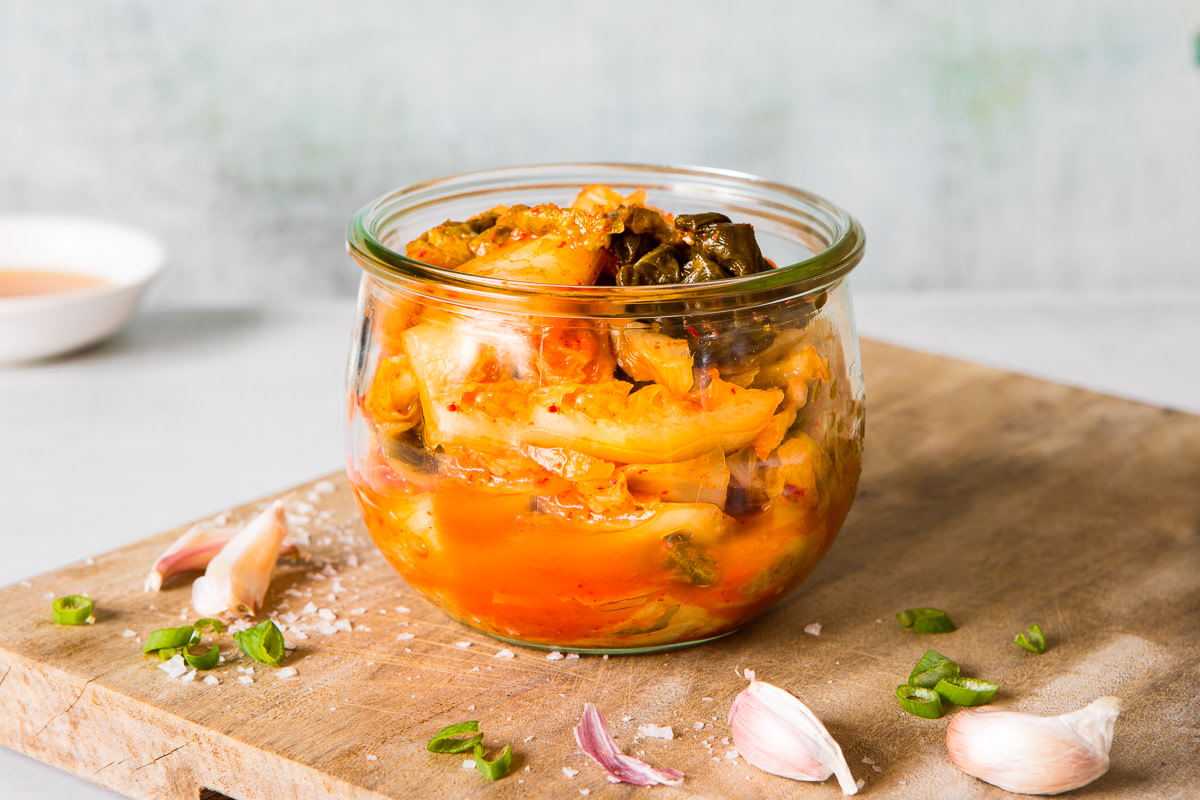
Prioritize whole fermented foods like kimchi, sauerkraut, or kefir over isolated probiotic supplements when possible. Recent reviews suggest these foods provide a natural delivery system for probiotics, prebiotics, and postbiotics simultaneously, offering superior gut modulation compared to single-strain capsules.
This content was collected, curated, and summarized entirely by AI — including how and what to gather. It may contain inaccuracies. Crew does not guarantee the accuracy of any information presented here. Always verify facts on your own before acting on them. Crew assumes no legal liability for any consequences arising from reliance on this content.
Powered by
