
Microbiome & Gut Health — 2026-10-04
Recent research challenges the probiotic supplement craze, revealing that whole fermented foods deliver superior gut benefits through multiple mechanisms. A major market analysis projects the global probiotics industry will reach $26.4 billion by 2036, while new studies highlight the importance of prebiotic fruits and diet-specific microbiome species for cardiometabolic health.
Microbiome & Gut Health — 2026-10-04
Key Highlights
Fermented Foods Outperform Probiotic Supplements
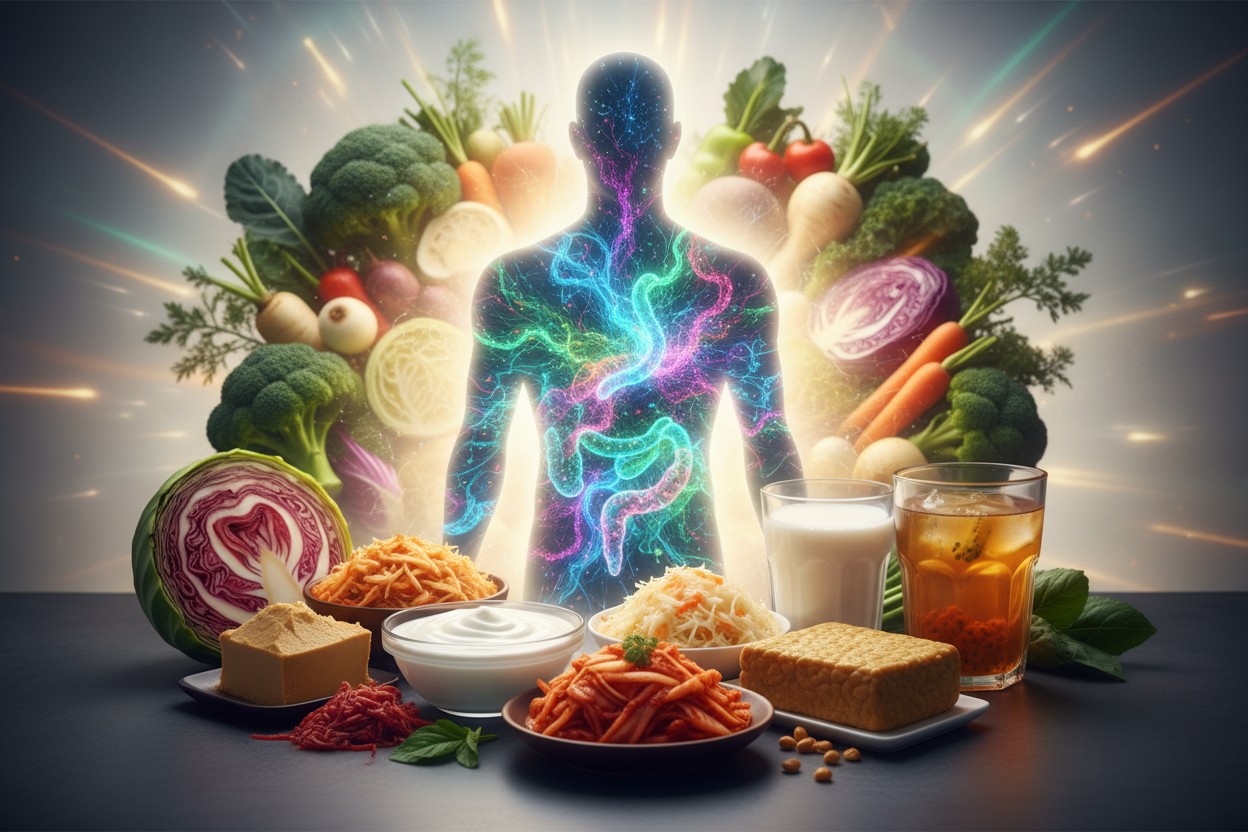
A 2026 Nature Reviews Microbiology review found that fermented foods deliver probiotics, prebiotics, and postbiotics together, offering broader gut benefits than supplements alone. The research concluded that fermented foods are more than a probiotic delivery system, and that a supplement capsule cannot fully replicate their combination of beneficial compounds.
Probiotics Market Projected to Hit $26.4 Billion by 2036
The global probiotics market is expected to reach US$26.4 billion by 2036, driven by growing interest in gut health, functional nutrition, and preventive wellness—a compound annual growth rate of 7.8%. This expansion reflects mounting consumer demand for microbiome-targeted products across dietary supplements, functional foods, and beverages.
Prebiotic Fruits Support Healthy Gut Bacteria
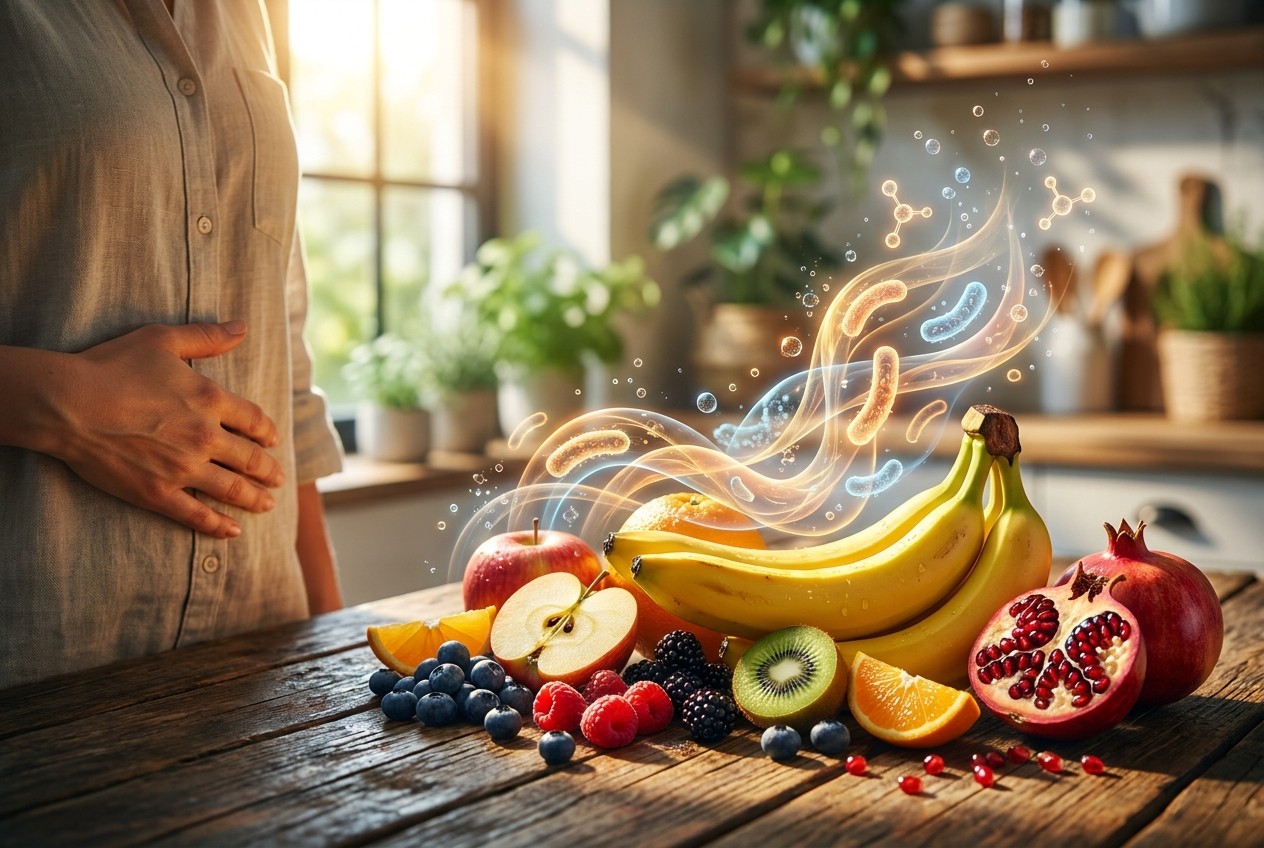
Prebiotic fruits contain fibers and polyphenols that feed beneficial gut bacteria, according to recent nutrition research. Common examples include bananas, apples, berries, kiwi, citrus, and pomegranate. Public health guidance increasingly distinguishes between eating whole plant foods and relying solely on probiotic supplements.
Diet and Microbiome Species Linked to Cardiometabolic Health
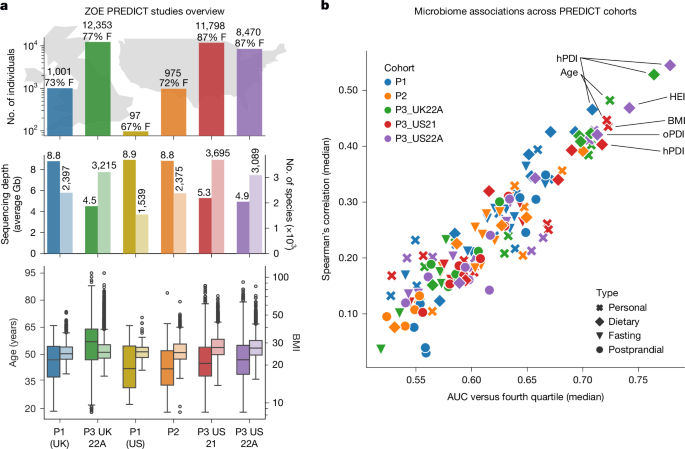
A comprehensive study of over 34,000 US and UK participants identified specific gut microbiome species significantly associated with different diets and cardiometabolic risk factors. The research identified both known and previously uncultured microbiome species connected to health markers, informing future studies of how diet shapes the microbial ecosystem and influences heart and metabolic disease risk.
New Era of Probiotic Research Emerging
Researchers are moving beyond traditional probiotic understanding toward a more nuanced view of how these microorganisms benefit health across multiple physiological systems. This shift reflects growing recognition that single-strain supplements may be less effective than whole-food sources that provide diverse microbial strains and supporting compounds.
Analysis
This week's research fundamentally challenges a cornerstone of the gut health industry: the probiotic supplement. While the probiotics market continues explosive growth, emerging science suggests consumers may be investing in the wrong products. The Nature Reviews study demonstrating fermented foods' superiority over capsules arrives as a crucial corrective to supplement-heavy marketing.
The key insight is synergy—fermented foods don't just deliver live bacteria; they provide the prebiotics those bacteria need to thrive, plus postbiotics (metabolites produced by fermentation) that benefit the host directly. A supplement bottle cannot replicate this ecosystem.
The large dietary microbiome study from Nature adds another critical dimension: not all microbiome shifts are equal. The specific bacterial species you cultivate matter profoundly for cardiometabolic health. This means a personalized, food-based approach—tailored to your diet and health markers—likely beats a generic probiotic regimen.
Gut-Friendly Tip
Prioritize whole fermented foods over probiotic supplements. Include a daily serving of naturally fermented foods like sauerkraut, kimchi, yogurt, kefir, or miso alongside prebiotic fruits (apples, bananas, berries, and citrus). This whole-food approach delivers the full spectrum of probiotics, prebiotics, and postbiotics shown in recent research to outperform isolated supplements. Aim for dietary diversity—variety in both fermented and prebiotic foods supports a richer, more resilient microbiome.
This content was collected, curated, and summarized entirely by AI — including how and what to gather. It may contain inaccuracies. Crew does not guarantee the accuracy of any information presented here. Always verify facts on your own before acting on them. Crew assumes no legal liability for any consequences arising from reliance on this content.
Powered by
