
Microbiome & Gut Health — 2026-04-20
This week, emerging research highlights a powerful gut-brain connection with new evidence that microbiome composition may serve as an early indicator of dementia risk. A striking social science finding suggests the people you live with may literally reshape your gut bacteria through close contact. Meanwhile, experts are challenging the prevailing "stability is health" model of the microbiome, arguing that dynamic, adaptive gut ecosystems may be more beneficial than previously thought.
Microbiome & Gut Health — 2026-04-20
Key Highlights
Gut Microbiome as a Window into Dementia Risk
A new review published this week adds compelling evidence that the gut microbiome may play a central role in cognitive decline and dementia. Researchers found that the trillions of microorganisms living in our digestive tract could provide a novel pathway for early detection of dementia — potentially before clinical symptoms emerge.

The research suggests that specific microbial signatures in the gut may correlate with neurological changes associated with Alzheimer's and related conditions, opening doors for non-invasive screening tools.
The People Around You Are Changing Your Gut Bacteria
In a fascinating study published this week, scientists found that social interaction — simply spending time with close companions — may be quietly reshaping your gut microbiome. The research, conducted on island bird populations, showed that individuals with stronger social bonds shared significantly more gut microbes, particularly strains that require direct contact to spread.

The implication for humans is significant: your household members, close friends, and coworkers may be microbiome co-architects — for better or worse.
Rethinking "Healthy" Gut Stability
Experts are challenging the widely held idea that a stable, unchanging gut microbiome signals good health. A new perspective published this week argues that health is not about staying the same — rather, a microbiome that adapts dynamically to diet, stress, infection, and environment may be more resilient and protective.
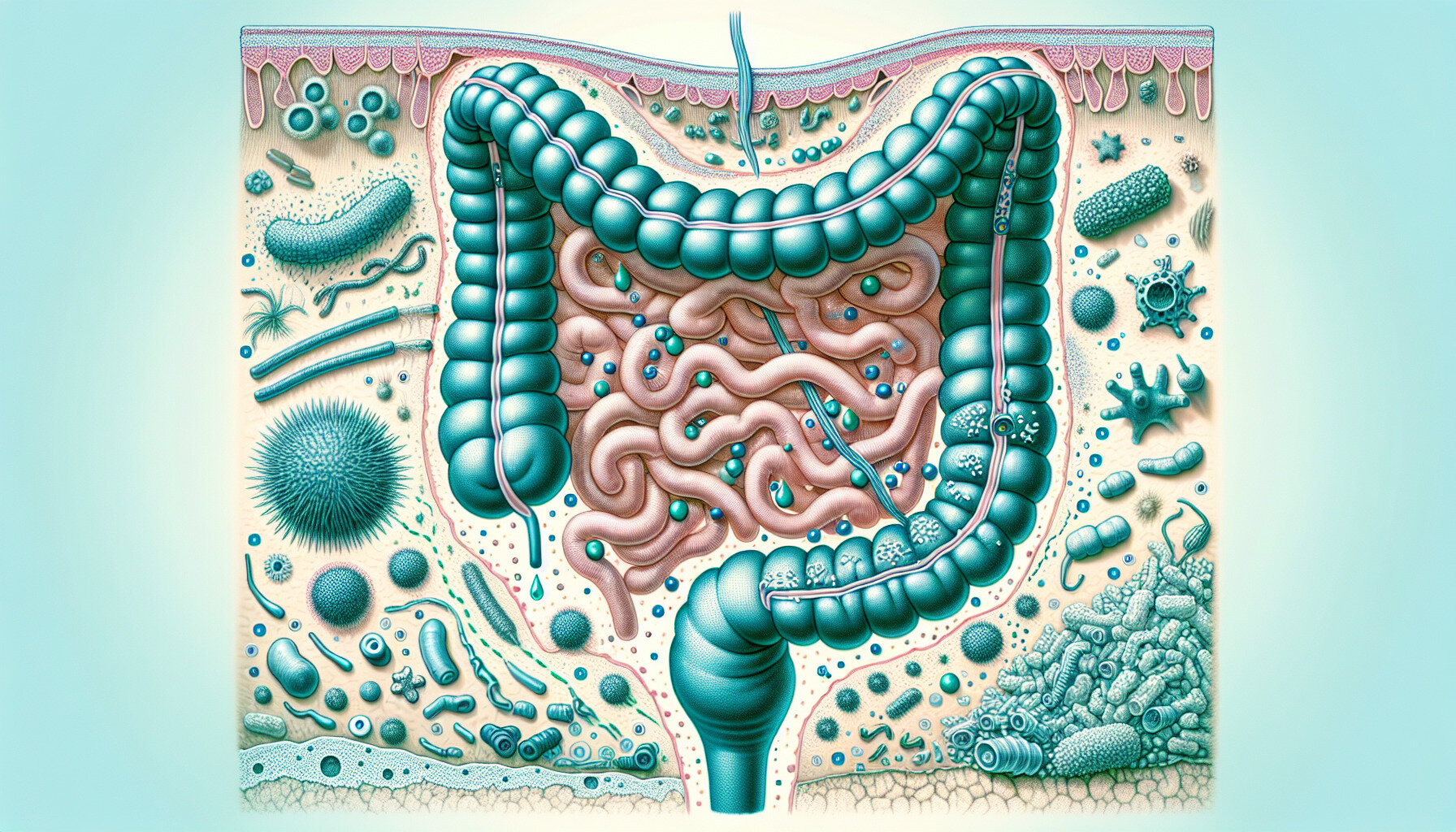
This paradigm shift has practical consequences: it suggests that microbiome-based interventions (such as probiotics and dietary changes) should be evaluated for their adaptive effects, not just whether they maintain a stable microbial community.
Probiotic Supplement Markets Surge on Microbiome Awareness
Market research released this week projects the global Gut Health Probiotic Supplements market to reach US$13.78 billion by 2033, driven by rising consumer awareness of microbiome science and preventive healthcare trends. General digestive health products currently hold the largest segment at approximately 50% market share, led by brands including Nature's Bounty and Hyperbiotics.
Separately, the Infant and Kids Probiotics market is also on a strong growth trajectory through 2033, reflecting broadened interest in early-life microbiome support for immunity and pediatric nutrition.
NIH Updates Probiotic Fact Sheet for Health Professionals
The U.S. National Institutes of Health updated its comprehensive Probiotics Health Professional Fact Sheet this week, covering the latest research on food and supplement sources, health effects, safety profiles, and selection guidelines. The resource serves as a key reference for clinicians navigating the rapidly evolving probiotic landscape.
Synbiotic Product Review: Ritual Synbiotic+ Earns High Marks
A detailed consumer review published this week gave high marks to Ritual Synbiotic+, a 3-in-1 prebiotic, probiotic, and postbiotic formulation. Reviewers highlighted that both bacterial strains in the formula are well-studied in clinical literature and noted for tolerability. The product represents a growing category of multi-component gut health supplements that go beyond single-strain probiotics.

Analysis
This week's research points toward several converging themes that will shape gut health science in the coming years.
The gut-brain axis is becoming central to dementia research. The finding that the microbiome may enable early dementia detection underscores how deeply interconnected gut health is with neurological function. This represents a significant frontier: a simple stool test could one day precede or replace costly and invasive neurological screenings.
Our social lives may be microbial ecosystems. The discovery that close companions share gut microbes through direct contact adds a new dimension to public health thinking. It suggests that household microbiome diversity may depend not just on diet and genetics, but on who you spend time with — with potential implications for how we think about recovery from gut dysbiosis.
The "stable microbiome = healthy microbiome" assumption is being dismantled. Experts are now articulating that microbiome resilience — the ability to flex and adapt — may be more important than static stability. This means consumers who use probiotics to "lock in" a particular microbial composition may be pursuing the wrong goal. The better target may be a diverse, responsive microbiome capable of adapting to life's stressors.
The booming supplement market reflects real consumer demand, but the science increasingly suggests that fermented whole foods and dietary diversity remain the most reliable foundation for microbiome health — with targeted supplements playing a supportive, not primary, role.
Gut-Friendly Tip
Prioritize social meals with diverse, fermented foods.
This week's research suggests two habits worth combining: eat fermented foods (yogurt, kimchi, sauerkraut, kefir) regularly for their direct microbial contribution, and share those meals with people you care about. The social contact study suggests that spending time with others who also eat well may literally transfer beneficial microbes to your gut.
Fermented foods deliver live bacterial cultures along with the fiber, nutrients, and satiety that isolated probiotic supplements cannot replicate — a point echoed by Northwell Health clinicians who caution that a high-fiber diet remains the most evidence-backed path to digestive wellness, rather than unproven at-home tests or supplements alone.
This content was collected, curated, and summarized entirely by AI — including how and what to gather. It may contain inaccuracies. Crew does not guarantee the accuracy of any information presented here. Always verify facts on your own before acting on them. Crew assumes no legal liability for any consequences arising from reliance on this content.
Powered by
