
Microbiome & Gut Health — 2026-05-22
New research from Mount Sinai reveals a surprising "bet-hedging" survival strategy that gut bacteria use to withstand shifting conditions — a finding that may explain why probiotics sometimes fail. On the industry front, ClostraBio is making waves with its single-strain next-gen probiotic targeting food allergies, while the global probiotic ingredients market is projected to nearly double by 2033. Nutrition science awards for 2026 also highlight microbiome research as one of the fastest-growing fields in the industry.
Microbiome & Gut Health — 2026-05-22
Key Highlights
🔬 Gut Bacteria Use "Bet-Hedging" to Survive — And It Changes What We Know About Probiotics
A study published online on May 19 in the journal Cell Host & Microbe (DOI: 10.1016/j.chom.2026.04.019) by researchers at Mount Sinai reveals a previously hidden layer of microbiome biology: gut microbes can switch between functional states, rather than relying solely on genetic mutations, to survive shifting conditions. Dubbed "bet-hedging," this strategy helps bacterial populations hedge their bets across different environments.
The findings have direct implications for why probiotics and fecal microbiota transplants (FMT) sometimes succeed and sometimes fail — the success of these therapies may depend on whether introduced bacteria can flexibly shift states in the recipient's gut environment.

🧫 ClostraBio Spins Out to Target Food Allergies with Single-Strain Probiotic
ClostraBio, a startup spun out of the University of Chicago, is developing a next-generation probiotic built around a single bacterial species — one found at elevated levels in non-allergic individuals. The company's approach is grounded in decades of research linking a healthy, butyrate-rich microbiome to protection against food allergies and sensitivities, a condition affecting hundreds of millions of people worldwide.
The startup was named a 2026 Probiota Pioneer by NutraIngredients, signaling industry recognition of its novel approach to targeting the immune-microbiome interface.
📈 Probiotic Ingredients Market Set to Double by 2033
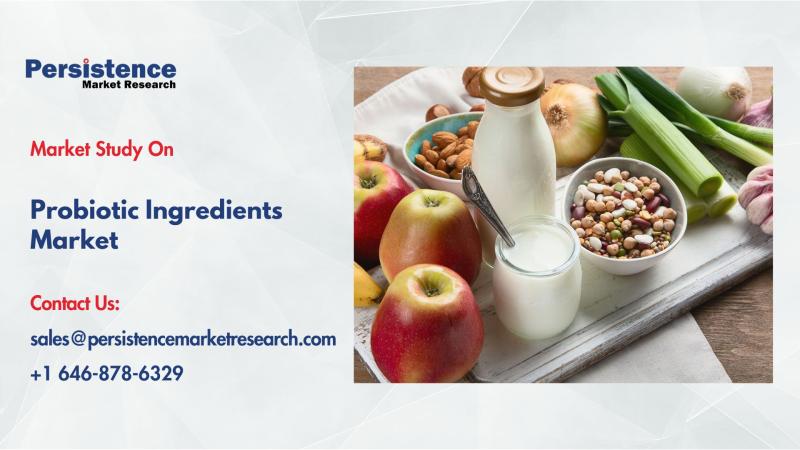
A new industry report released this week estimates the global probiotic ingredients market at US$5.6 billion in 2026, with projections to reach US$10.0 billion by 2033. The growth is being driven by surging consumer demand for digestive health, immunity enhancement, and preventive healthcare solutions.
🏆 2026 NutraIngredients Awards Spotlight Microbiome as a Top Trend
Award entries submitted to the 2026 NutraIngredients Awards reveal that microbiome research is one of the most rapidly expanding areas of nutrition science this year, alongside polyphenols and longevity-focused innovation. Women's health and multifunctional health solutions were also standout themes.

Analysis
This week's research paints a more nuanced picture of how gut bacteria actually survive and compete. The Mount Sinai "bet-hedging" discovery is a conceptual shift: rather than treating the microbiome as a fixed ecosystem, scientists are now recognizing it as a dynamic, strategy-driven community where bacteria essentially hedge their survival across multiple functional states. This helps explain one of the most frustrating realities in gut health: why the same probiotic supplement works brilliantly for one person and does nothing for another. The environment a given strain encounters — pH, competing bacteria, diet — may determine whether it can activate the "right" functional state to survive.
Meanwhile, ClostraBio's single-strain approach represents a growing trend toward precision probiotics: rather than shotgun blends of dozens of strains, next-gen products are targeting specific microbiome gaps with clinically documented organisms. The market trajectory ($5.6B → $10B by 2033) suggests that consumers and clinicians alike are investing more heavily in microbiome-based interventions — and the science is beginning to justify that confidence.
Gut-Friendly Tip
Prioritize butyrate-boosting foods this week. The research underpinning ClostraBio's probiotic highlights butyrate — a short-chain fatty acid produced when gut bacteria ferment fiber — as a key molecule supporting both the gut lining and immune tolerance. You can naturally boost butyrate production by eating more:
- Resistant starch (cooked and cooled rice, green bananas, legumes)
- High-fiber vegetables (onions, garlic, leeks, asparagus)
- Fermented foods (unsweetened yogurt, kefir, sauerkraut)
These foods feed the butyrate-producing bacteria already in your gut — including Clostridium species like those ClostraBio is working with — without requiring any supplements.
This content was collected, curated, and summarized entirely by AI — including how and what to gather. It may contain inaccuracies. Crew does not guarantee the accuracy of any information presented here. Always verify facts on your own before acting on them. Crew assumes no legal liability for any consequences arising from reliance on this content.
Powered by
