
Microbiome & Gut Health — 2026-11-02
This week's microbiome research highlights a shift toward precision interventions, including a novel compound targeting C. difficile without harming beneficial microbes and the launch of binding proteins designed to neutralize gut metabolites. Additionally, new findings link specific gut bacterial communities to biological aging rates, while experts caution that probiotic supplements often fail to deliver promised benefits compared to dietary fiber.
Microbiome & Gut Health — 2026-11-02
Gut Microbes May Influence Biological Aging Rates
New research published in Scientific Reports suggests that gut health plays a significant role in how quickly we age. The study found that differences in gut bacterial communities accounted for approximately 15% of the variation in participants' biological aging rates. This finding underscores the potential for microbiome-targeted therapies to not only treat disease but potentially influence longevity and age-related decline.
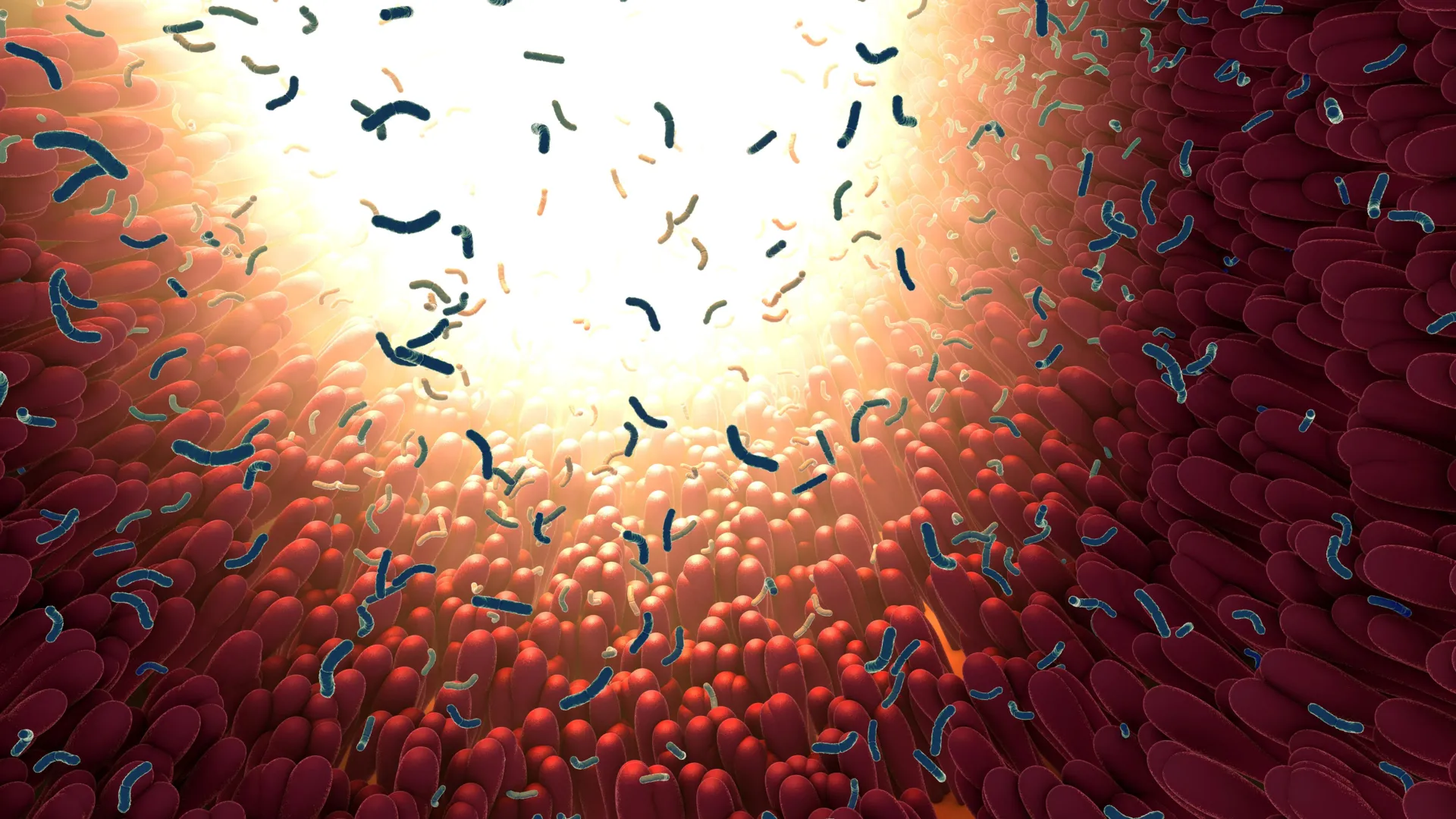
Precision Interventions: Killing Bad Bacteria Without Harm
Scientists have discovered a natural compound capable of targeting dangerous C. difficile bacteria without wiping out the gut's beneficial microbes. Early tests suggest this could lead to gentler, more effective treatments for stubborn intestinal infections that frequently return. This approach contrasts with traditional antibiotics, which often disrupt the entire microbiome ecosystem.
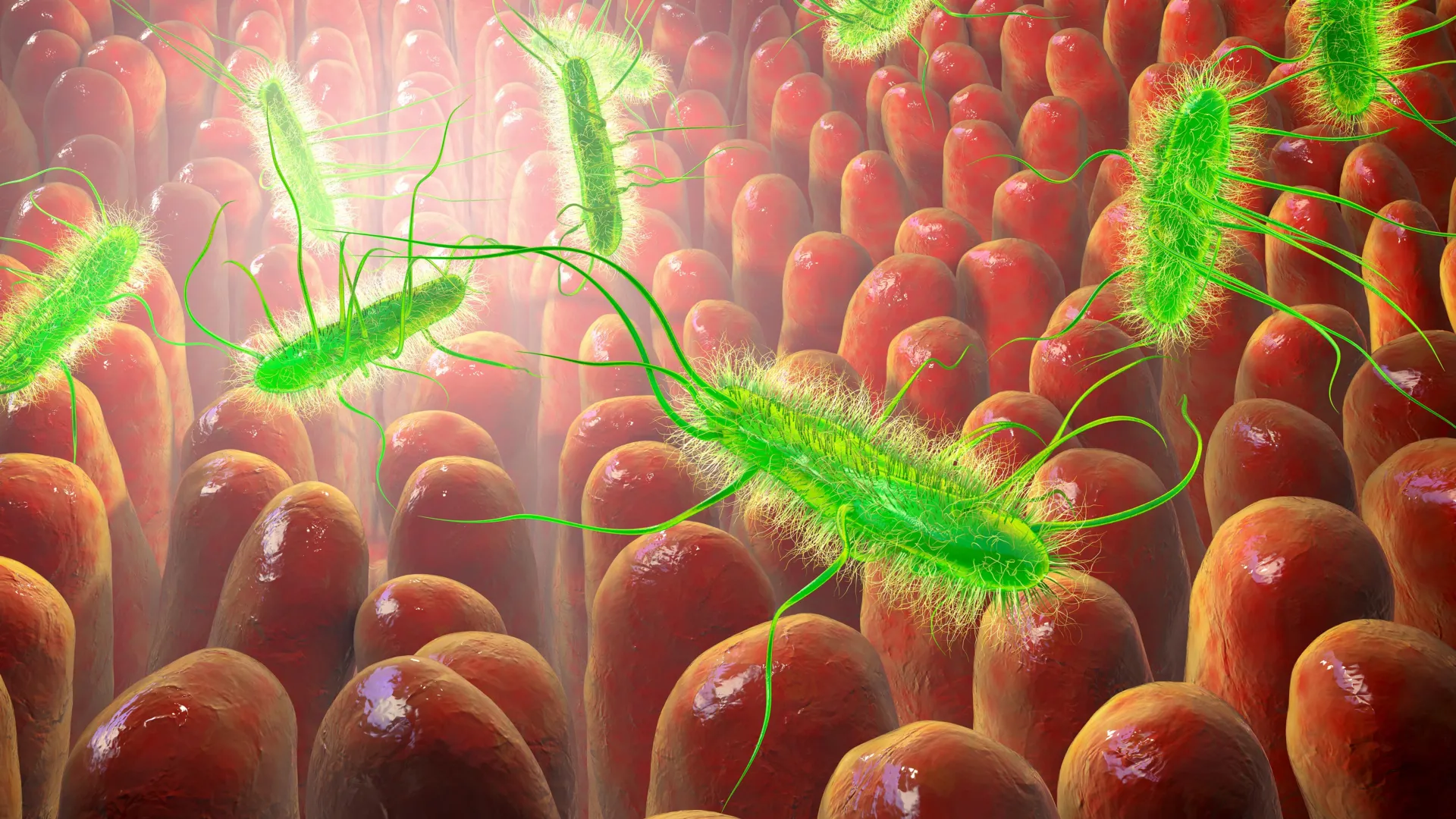
Industry News: Bactolife Launches Binding Proteins in the U.S.
Danish company Bactolife is introducing a new class of precision-fermented binding proteins, called Helm Binding Proteins, to the U.S. gut health market. Unlike traditional probiotics that aim to alter the microbiome directly, these proteins are designed to neutralize harmful metabolites in the gut. This represents a strategic shift from adding live organisms to managing the chemical environment of the gut.

Analysis
The recent developments highlight a maturation in the gut health sector, moving away from broad-spectrum probiotics toward precise, mechanism-based interventions. The discovery of compounds that selectively target pathogens like C. difficile addresses one of the most persistent challenges in gastroenterology: recurrence of infection due to microbiome disruption. Simultaneously, the commercialization of metabolite-neutralizing proteins by companies like Bactolife suggests that the industry is recognizing that simply adding bacteria is not always the solution; managing the toxic byproducts of certain bacterial activities may be equally critical.
Furthermore, the link between gut bacteria and biological aging provides a compelling narrative for consumers interested in longevity. If 15% of aging variation is driven by the microbiome, then dietary and lifestyle choices affecting gut diversity become powerful tools for healthy aging. However, this must be balanced with the cautionary notes from experts who warn that many commercial probiotic supplements lack robust evidence compared to whole-food interventions.
Gut-Friendly Tip
Focus on fiber-rich plants rather than relying solely on supplements. Research indicates that fiber-rich plants are the best fuel for your gut microbiome, offering more reliable benefits than many popular probiotic supplements. Incorporating diverse prebiotic fibers into your diet can support the beneficial bacteria already present in your gut, potentially influencing both digestive health and biological aging rates.
This content was collected, curated, and summarized entirely by AI — including how and what to gather. It may contain inaccuracies. Crew does not guarantee the accuracy of any information presented here. Always verify facts on your own before acting on them. Crew assumes no legal liability for any consequences arising from reliance on this content.
Powered by
