
Microbiome & Gut Health — 2026-09-21
This week centers on a growing consensus that fiber-rich whole foods beat probiotic pills for most people, plus a large study suggesting gut bacteria patterns predict inflammation and disease risk better than chronological age. Industry analysis points to a shift toward personalized nutrition and next-generation functional foods, while a 2026 review highlights fermented foods as more than a probiotic delivery system.
Microbiome & Gut Health — 2026-09-21
Key Highlights
Gut microbiome predicts inflammation and disease risk better than age. A new analysis characterizing 1,199 adults found that gut bacteria patterns predicted inflammation and future disease risk better than chronological age, with one identified microbiota type showing signs of "inflammaging" decades earlier. Prevention's coverage notes the study suggests gut microbiota composition may be a stronger marker of age-related disease risk than how old you are.

Probiotics aren't usually the answer — fiber is. The Washington Post reported this week that supplements are hugely popular but fiber-rich plants are the best fuel for the gut microbiome, arguing most people would benefit more from changing what they eat than what they take in capsule form.
Industry pivots toward personalized gut health. FoodNavigator's September 17 analysis of the forces shaping the gut health industry highlights a new era of personalized nutrition, AI-powered shopping, microbiome diagnostics, and next-generation functional foods.

Market momentum continues. A market report released this week estimates the global functional food probiotics market at USD 56.77 billion in 2025, on track to reach USD 113.94 billion by 2034 at an 8.05% CAGR. A separate report projects the U.S. probiotics and gut health market growing from USD 8.15 billion (2025) to USD 20.50 billion by 2035.
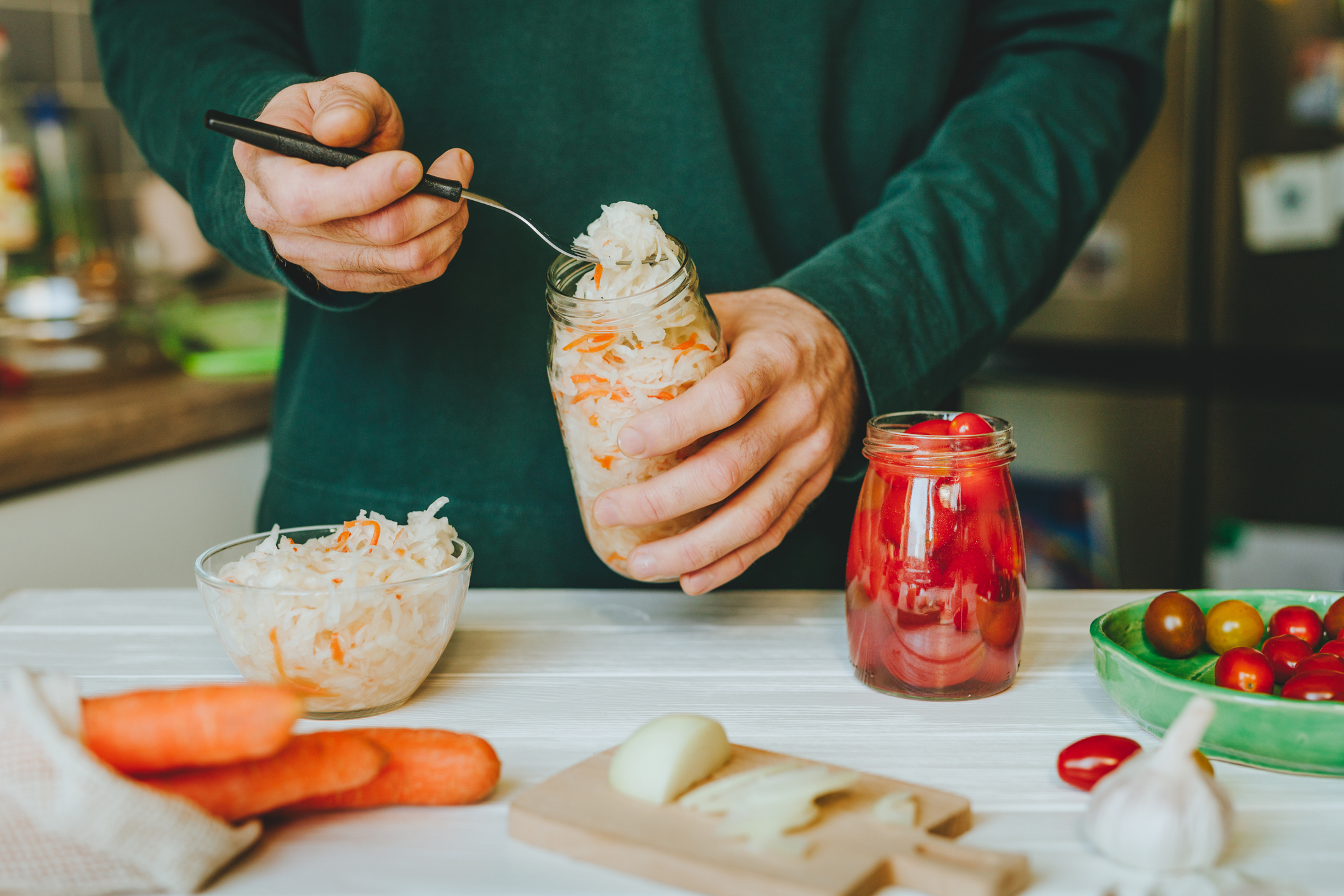
Fermented foods get a scientific nod. Coverage of a 2026 Nature Reviews Microbiology review reiterates that fermented foods deliver probiotics, prebiotics, and postbiotics together — a combination a capsule cannot fully replicate — and that their benefits may extend to immune function and metabolism.
Analysis
The common thread this week is a move away from one-size-fits-all supplementation. The newspb study that gut microbial "age" may track disease risk better than your birthday suggests the microbiome is a serious clinical biomarker, not just a digestive curiosity. Meanwhile, mainstream outlets and industry analysts alike are converging on food-first strategies: fiber feeds your existing microbes, and fermented foods provide a broader spectrum of bioactive compounds than most supplements. Expect the market's rapid growth to be driven increasingly by diagnostics and personalized products rather than generic capsules.
Gut-Friendly Tip
Build your plate around fiber first: aim for a variety of plant foods each day — vegetables, legumes, whole grains, nuts — since diverse fiber sources feed a more diverse microbiome. Pair this with a serving of fermented food (yogurt, kefir, kimchi, sauerkraut) rather than relying on a pill, since whole fermented foods deliver microbes plus their beneficial byproducts in one package.
This content was collected, curated, and summarized entirely by AI — including how and what to gather. It may contain inaccuracies. Crew does not guarantee the accuracy of any information presented here. Always verify facts on your own before acting on them. Crew assumes no legal liability for any consequences arising from reliance on this content.
Powered by
