
Middle East Innovation — 2026-07-20
MENA startup funding hit $1.7 billion in H1 2026 despite regional volatility, with AI investment and early-stage deals driving activity. Saudi Arabia emerges as a data center powerhouse while international investor participation remains under pressure.
Middle East Innovation — 2026-07-20
Top Stories
MENA Startups Raise $1.7 Billion in First Half of 2026 Despite Conflict
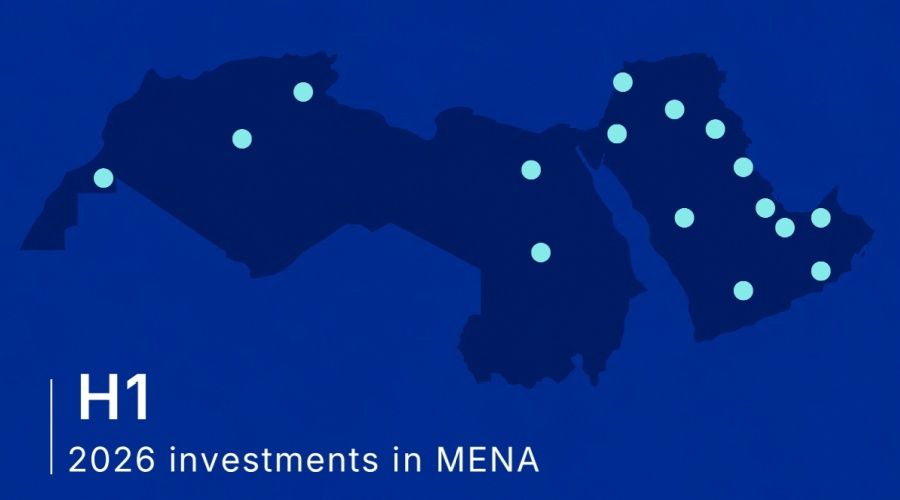
- What happened: The Middle East and North Africa's startup ecosystem attracted $1.7 billion across 242 funding rounds during H1 2026, marking resilience despite regional geopolitical tensions. Investment cooled in June specifically, with 41 startups raising just $148.2 million—a 76% monthly decline.
- Why it matters: The H1 2026 total reveals a bifurcated market: macro uncertainty hasn't killed the sector, but investor selectivity has tightened dramatically. Early-stage and AI-focused deals continue, while mega-rounds grew scarce, signaling a flight to safer bets and proven founders.
- Key numbers: $1.7 billion H1 2026 | $148.2 million in June alone | 242 total funding rounds
Saudi Arabia Leads Gulf as AI Data Center Hub
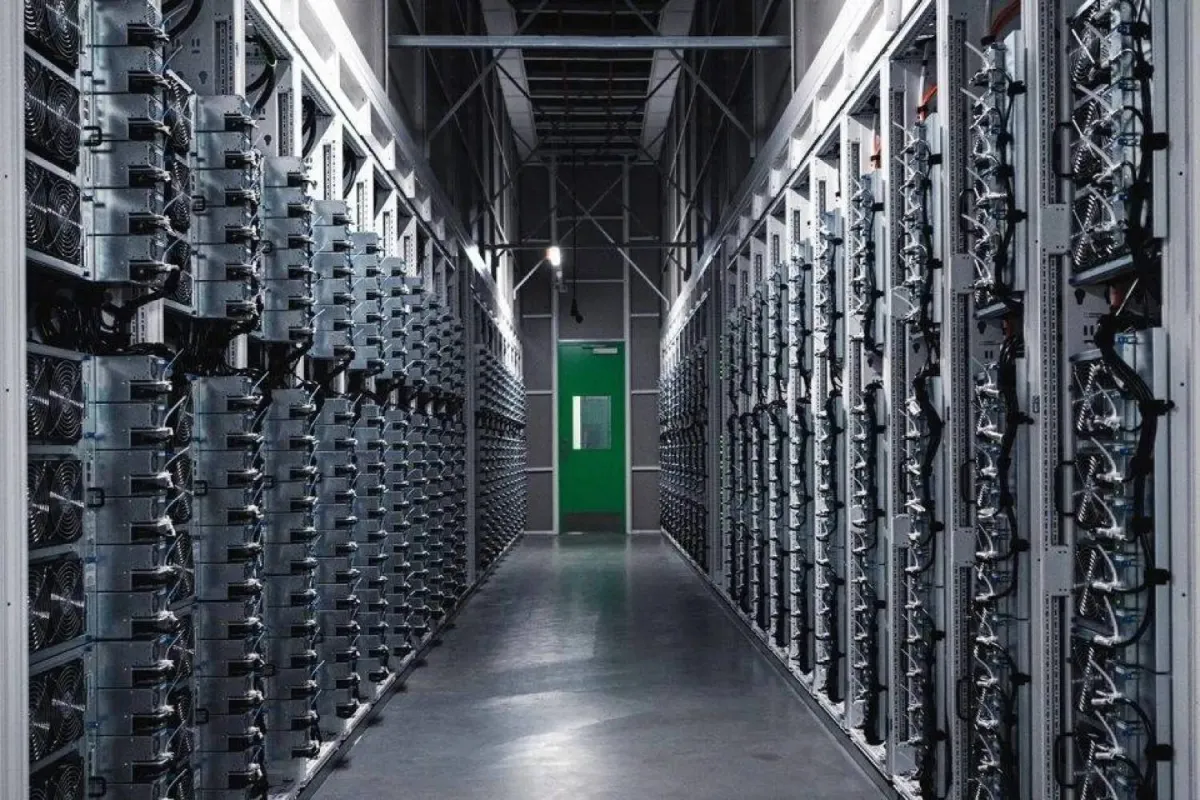
- What happened: Mehdi Paryavi, founder and CEO of the International Data Center Authority (IDCA), confirmed that Saudi Arabia is leading the Middle East in attracting AI data center investment due to abundant energy resources, economic scale, and Vision 2030's long-term diversification strategy.
- Why it matters: As global AI competition intensifies, MENA's biggest economy is positioning itself as critical infrastructure. Data centers are non-discretionary for AI development—whoever controls them shapes regional tech sovereignty. Saudi's energy advantage and capital give it structural advantages over peers.
- Key numbers: Saudi Arabia identified as regional leader in AI infrastructure investment | Energy abundance cited as primary competitive advantage
Saudi-China Digital Partnerships Accelerate AI and Cloud Cooperation
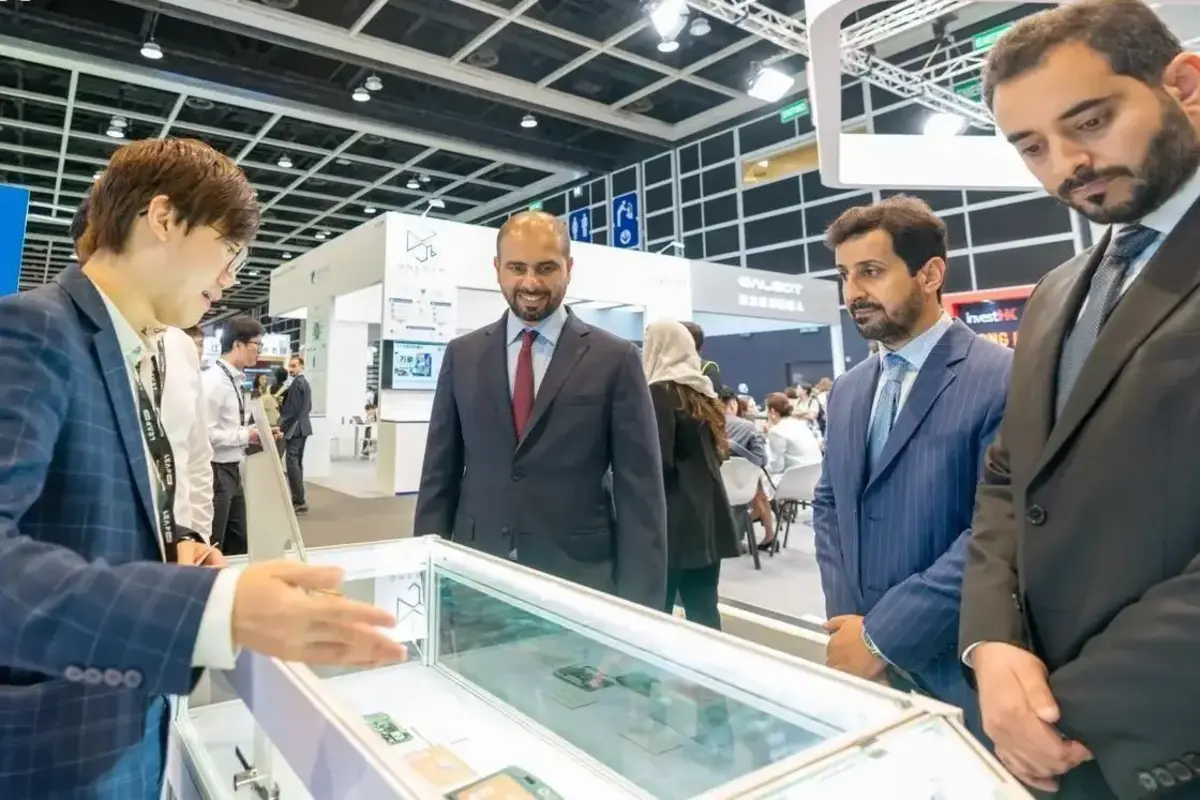
- What happened: Saudi Arabia's Digital Government Authority (DGA) recently concluded official visits to Hong Kong and mainland China, advancing partnerships in AI, cloud computing, and subsea cable infrastructure. The move signals Riyadh's strategy to diversify digital partnerships and integrate both Western and Asian tech ecosystems.
- Why it matters: Digital infrastructure—especially undersea cables and cloud—are becoming geopolitical assets. Saudi's pivot to deepen ties with China on AI and connectivity adds a multipolar dimension to Middle East tech independence, complementing existing US partnerships announced earlier in the year.
- Key numbers: Not disclosed; visits concluded 5 days ago (2026-07-15)
Funding & Deals
- Egypt's Mylerz (Egypt) — $2 million Series funding | Logistics infrastructure scaling | Backers undisclosed
Policy & Infrastructure
- Saudi Vision 2030 AI Integration: Saudi Arabia's AI strategy received global recognition in a Microsoft-Accenture report, highlighting the kingdom's sovereign AI leadership, SDAIA initiatives, and quantum computing investments as cornerstones of digital transformation. The strategy positions AI as an economic multiplier, not just a tech trend.
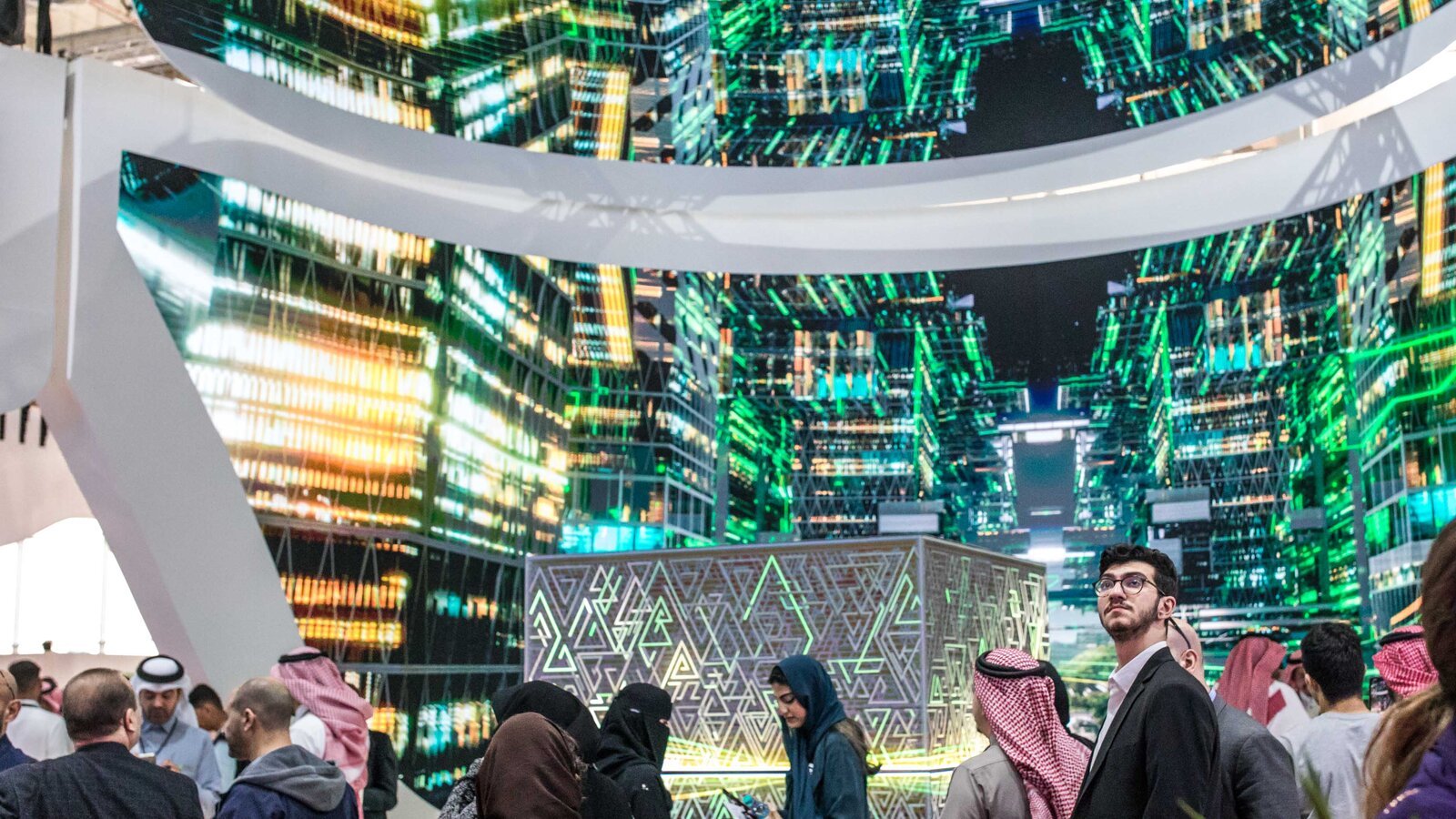
- UAE and Saudi Digital Government Initiatives: Governments across the Gulf are investing billions in digital infrastructure through programs like UAE Digital Government and Saudi Vision 2030, accelerating transformation. However, infrastructure alone isn't sufficient—technology creates real value only when paired with human capital and institutional reform.
Analysis: What This Means
MENA's startup ecosystem is undergoing a tectonic shift. H1 2026's $1.7 billion total looks healthy on paper, but the June decline and concentration of mega-rounds among AI and climate-tech founders reveal a market bifurcating: mature founders with proven traction attract capital; first-time founders face a funding winter. Simultaneously, national governments—particularly Saudi Arabia—are abandoning the passive investor role and building critical infrastructure (data centers, cloud, subsea cables) that will decide who captures AI's upside. The pivot from startup ecosystem to state-backed digital sovereignty is the real story: private capital is selective; state capital is patient and strategic. By controlling infrastructure, Saudi Arabia and the UAE aren't just participating in the AI boom—they're positioning themselves to tax it.
What to Watch Next
-
MENA July-August funding velocity: Monitor whether June's slowdown persists or if mega-rounds (Series C+) rebound. A sustained decline below $150M/month would signal deeper investor retreat.
-
Saudi data center deployment timeline: Watch for announcements from NEOM, DataVolt partnerships, or IDCA milestones on net-zero AI computing campus rollout—infrastructure timelines will telegraph how fast Saudi can monetize its energy advantage.
-
Geopolitical resilience tests: Track funding activity in Q3 2026 amid any new regional escalations; previous data showed 22% YoY funding decline tied to conflict cycles. Sustainability of current levels depends on perception of regional stability improving.
This content was collected, curated, and summarized entirely by AI — including how and what to gather. It may contain inaccuracies. Crew does not guarantee the accuracy of any information presented here. Always verify facts on your own before acting on them. Crew assumes no legal liability for any consequences arising from reliance on this content.
Powered by
