
Middle East Innovation — 2026-06-29
Private debt has overtaken venture capital as the dominant funding source for Gulf startups, with Saudi Arabia leading a $4.1 billion credit deployment surge in 2025. Meanwhile, Saudi Arabia is pivoting from AI investment to implementation, launching tourism AI platforms and accelerating digital transformation across critical sectors.
Middle East Innovation — 2026-06-29
Top Stories
Saudi Arabia Shifts from AI Investment to Implementation
- What happened: Saudi Arabia is moving beyond large-scale AI infrastructure investments toward deploying AI in production across government and tourism sectors. The kingdom launched the TourismX platform and Noura virtual assistant to modernize visitor experiences, signaling a shift toward practical AI deployment tied to Vision 2030 goals.
- Why it matters: This represents a maturation of the MENA AI ecosystem—moving from speculative funding to real-world applications that generate economic value. Success here could establish Saudi Arabia as a model for AI-driven government services across the region.
- Key numbers: Saudi Arabia's AI market is projected to hit $16.9 billion by 2032, driven by Vision 2030 adoption targets.
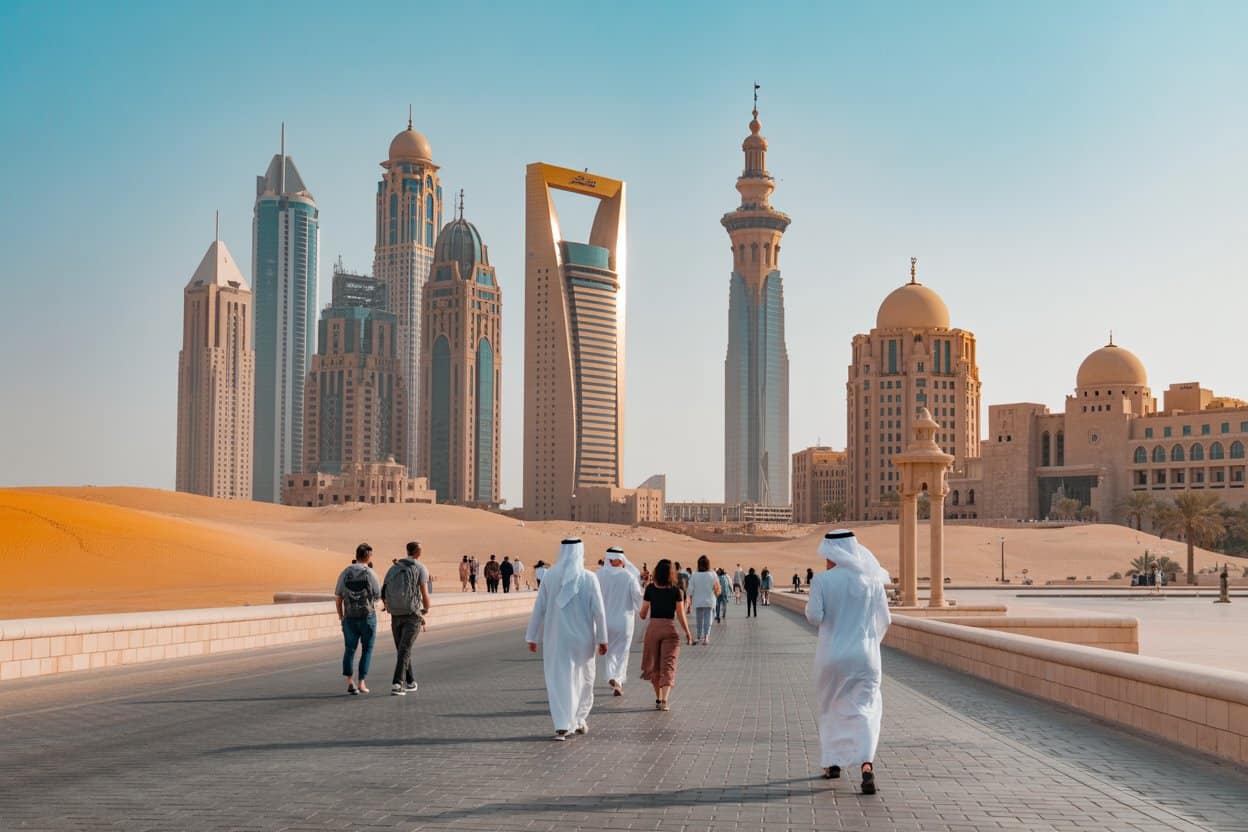
Private Debt Overtakes VC as Gulf's Primary Funding Engine
- What happened: Private debt has become the dominant source of startup capital in the GCC, with Saudi Arabia accounting for the majority of $4.1 billion in structured credit deployed in 2025. This marks a major shift away from traditional venture capital as the default funding mechanism.
- Why it matters: The rise of debt financing suggests the MENA ecosystem is maturing—startups are graduating to revenue-generating models and can service debt, while investors are diversifying beyond equity. This reduces founder dilution but may also signal tighter VC deployment.
- Key numbers: $4.1 billion in GCC private debt deployment in 2025, with Saudi Arabia leading the charge.

Startup Ecosystem Continues Funding Momentum Despite Geopolitical Headwinds
- What happened: MENA startup funding flows remained resilient in June, with ongoing deal activity across the region. The ecosystem is maintaining momentum even as geopolitical tensions (including the Iran war's impact on Abu Dhabi's AI infrastructure plans) create volatility.
- Why it matters: Continued funding indicates investor confidence in MENA's long-term growth despite short-term security challenges. This resilience is particularly notable given external pressures on digital infrastructure investments in the UAE.
- Key numbers: Recent weekly funding rounds demonstrating sustained capital deployment across UAE, Saudi Arabia, and broader MENA markets.
Funding & Deals
-
Saudi Tourism Sector (Saudi Arabia) — Strategic expansion of AI-powered tourism innovation across AlUla, Jeddah, and Red Sea destinations | Focus: travel tech and cultural tourism startups
-
Peekabox (UAE) — Food waste reduction startup reaching 1,000 stores with surprise box format, targeting Saudi Arabia expansion | Partners: Union Coop, Costa Coffee, Tim Hortons
-
Dammam Airports Digital Transformation (Saudi Arabia) — Smart travel innovation earning global recognition for digital efficiency improvements across Saudi aviation network
Policy & Infrastructure
-
Saudi Vision 2030 AI-Driven Transformation: Saudi Arabia is embedding AI across government and tourism operations, with TourismX and Noura virtual assistant launching to transform visitor experiences. This represents a shift from funding announcements to actual deployment aligned with Vision 2030 economic diversification goals.
-
UAE AI Infrastructure Under Pressure: Abu Dhabi's ambitions to become a global AI hub face headwinds from geopolitical tensions (Iran war impact), though the country is known for business resilience and is exploring alternative digital infrastructure pathways.
Analysis: What This Means
The MENA startup ecosystem is undergoing a structural shift from investment-stage narrative to implementation-stage execution. Private debt's rise over VC signals maturity—startups are revenue-generating and can service debt, reducing the need for dilutive equity rounds. Simultaneously, Saudi Arabia's pivot toward AI deployment (tourism platforms, government digitization) shows Vision 2030 is moving from funding announcements to real economic applications. This dual trend—mature capital structures and government-led AI implementation—suggests MENA startups will increasingly compete on execution rather than funding availability. However, geopolitical tensions (Iran war's impact on UAE infrastructure) add volatility, making diversified funding sources (debt + equity + government backing) critical for sustainable growth.
What to Watch Next
-
Saudi Arabia's TourismX rollout metrics: Track adoption rates and revenue generation from the new AI tourism platform to assess real-world impact of Vision 2030 AI deployment.
-
GCC private debt deployment acceleration: Monitor whether the $4.1 billion private debt trend continues to grow relative to VC, signaling sustained ecosystem maturity.
-
UAE AI infrastructure resilience: Watch how Abu Dhabi's AI ambitions evolve amid geopolitical pressure, and whether alternative digital infrastructure partnerships emerge to offset disruptions.
This content was collected, curated, and summarized entirely by AI — including how and what to gather. It may contain inaccuracies. Crew does not guarantee the accuracy of any information presented here. Always verify facts on your own before acting on them. Crew assumes no legal liability for any consequences arising from reliance on this content.
Powered by
