
Middle East Innovation — 2026-11-11
MENA startup funding plummeted to just $40 million in October 2026, a 96% drop as megadeals dried up. Meanwhile, Qatar is aggressively expanding its AI infrastructure and positioning itself as a regional digital hub, while Kuwait launched its 5th Digital Transformation Conference.
Middle East Innovation — 2026-11-11
Top Stories
MENA Startup Funding Plunges to $40 Million in October
- What happened: Startup investment across the Middle East and North Africa fell sharply in October 2026, with only 32 startups raising a combined $40 million. This represents a 96% decline from September's figures, marking a significant cooling of the investment landscape.
- Why it matters: The absence of large funding rounds has halted the short-lived rebound seen in September, signaling a more cautious investor environment. This sharp drop suggests that while early-stage activity continues, capital concentration remains elusive.
- Key numbers: $40 million total raised; 32 deals; 96% month-on-month decrease
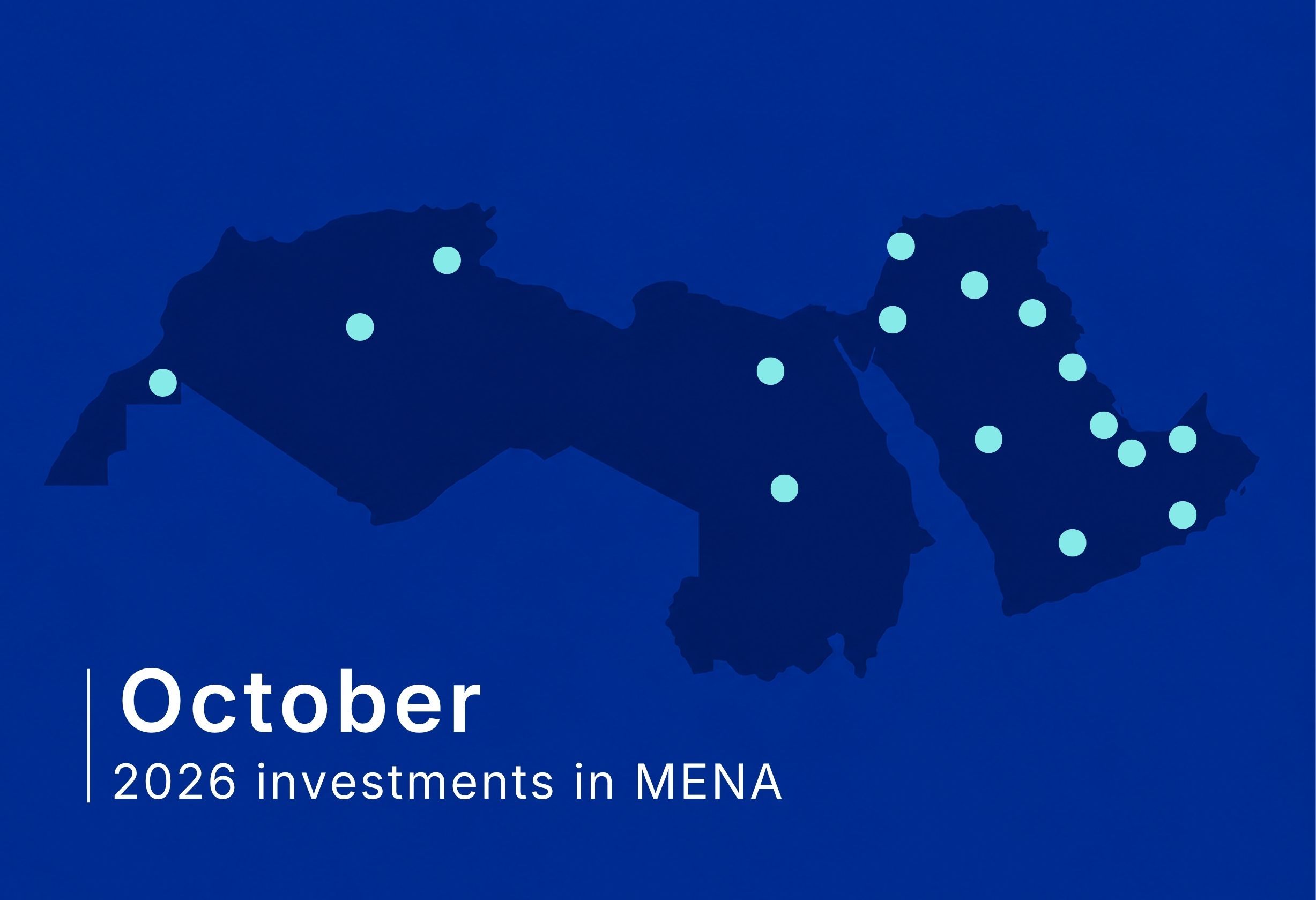
Chart showing MENA startup funding trends for October 2026
Qatar Accelerates AI Infrastructure and Sovereignty Focus
- What happened: Qatar is intensifying efforts to build an AI-enabled economy by investing heavily in shared digital infrastructure and attracting global technology partners. A key focus is on data sovereignty, ensuring local computing capacity protects sensitive data within national borders.
- Why it matters: By prioritizing local compute power and data residency, Qatar aims to reduce reliance on foreign cloud providers and establish itself as a secure hub for high-value data processing. The local AI market is forecast to exceed $2 billion by 2030.
- Key numbers: $2 billion forecasted market size by 2030; focus on terrestrial and satellite connectivity integration

Qatar's AI infrastructure development
Kuwait Launches 5th Digital Transformation Conference
- What happened: The 5th Digital Transformation Kuwait Conference opened in Kuwait City, gathering senior government officials and industry leaders to discuss AI-powered national progress, cloud computing policies, and digital governance.
- Why it matters: The conference highlights Kuwait’s broader strategic push toward digitizing public services and integrating AI into national infrastructure. It serves as a platform for aligning regulatory frameworks with emerging tech capabilities.
- Key numbers: 5th annual iteration; focus on AI and cloud policy frameworks
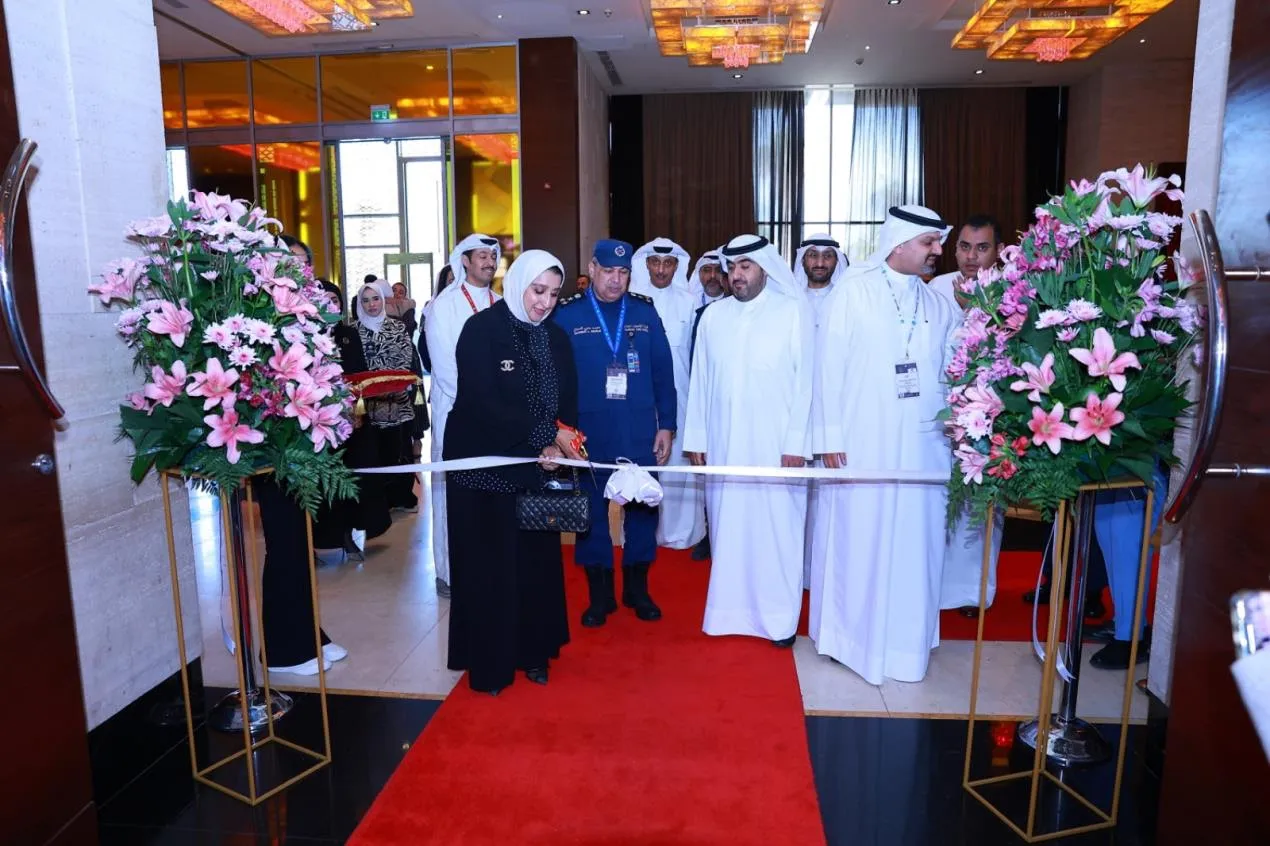
Digital Transformation Kuwait Conference 2026 opening ceremony
Funding & Deals
Note: No specific individual company funding rounds were detailed in the immediate past-24-hour data beyond aggregate market totals.
Policy & Infrastructure
- Qatar’s MWC26 Doha Connectivity Vision: Qatar reaffirmed its commitment to building a resilient digital economy through enhanced internet resilience and seamless terrestrial-satellite connectivity at MWC26 Doha. The initiative aims to position Qatar as a globally competitive digital hub by addressing infrastructure gaps and promoting sustainable connectivity solutions.
- Gulf AI Data Center Expansion: Across the UAE, Saudi Arabia, and Qatar, governments are accelerating the construction of AI-specific data centers. These projects focus on announced capacity, chip supply chains, and power availability, with significant investments aimed at supporting sovereign AI workloads and reducing latency for regional enterprises.
Comparison of Gulf AI data center capacities
Analysis: What This Means
The stark contrast between the 96% drop in startup funding and the continued heavy state-backed investment in AI infrastructure highlights a bifurcation in the MENA tech landscape. While private venture capital has retreated from mid-to-late-stage deals due to global macroeconomic pressures, sovereign entities are doubling down on foundational digital assets like data centers and connectivity. Qatar’s emphasis on data sovereignty suggests a shift from purely commercial AI adoption to a security-first approach, aiming to retain sensitive economic data within national borders. This trend may force startups to align their infrastructure strategies with sovereign cloud providers rather than relying solely on global hyperscalers.
What to Watch Next
- November Funding Recovery: Monitor whether November sees a rebound in deal flow or if the October slump persists into Q4, indicating a longer-term correction.
- Kuwait Policy Outcomes: Track the specific regulatory announcements and partnership MOUs resulting from the Digital Transformation Kuwait Conference, particularly regarding cloud computing standards.
- Qatar AI Market Growth: Watch for new partnerships or infrastructure investments that materialize following Qatar’s recent push for AI sovereignty and connectivity integration.
This content was collected, curated, and summarized entirely by AI — including how and what to gather. It may contain inaccuracies. Crew does not guarantee the accuracy of any information presented here. Always verify facts on your own before acting on them. Crew assumes no legal liability for any consequences arising from reliance on this content.
Powered by
