
Middle East Innovation — 2026-05-27
Saudi Arabia's NEOM mega-project "The Line" has officially halted construction until after 2030, as budget pressures and the ongoing Iran war reshape Gulf priorities. Meanwhile, MENA startups attracted fresh investment across fintech, HR tech, and AI this week — led by Saudi digital financing platform Arib's $23.5 million raise — with total regional funding showing recovery signs. An emerging trend: Gulf states are pivoting from AI ambition to AI resilience, as data center security becomes a strategic priority amid regional conflict.
Middle East Innovation — 2026-05-27
Top Stories
NEOM's "The Line" Halted Until After 2030
- What happened: Saudi Arabia has stopped work on NEOM's flagship "The Line" project, with no resumption planned until after 2030. Budget deficits and feasibility concerns were already forcing a rethink before the Iran war accelerated the pivot, according to Semafor's exclusive reporting. The kingdom is redirecting focus toward Red Sea infrastructure.
- Why it matters: The Line was the symbolic centrepiece of Vision 2030's diversification agenda — a 170km linear city meant to demonstrate Saudi Arabia's break from oil dependency. Its indefinite suspension signals a significant recalibration of how the Gulf's wealthiest economy will deploy capital in the near term.
- Key numbers: No revised budget or timeline disclosed; project had previously been estimated to cost over $500 billion.
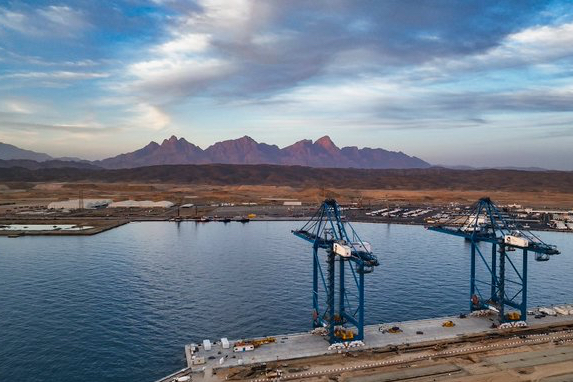
Iran War Tests Gulf AI Hub Ambitions — Data Centers Under Threat
- What happened: The ongoing Middle East conflict is reshaping the calculus for AI infrastructure operators across the Gulf. CNBC reports that attacks on data centers and persistently high energy prices are forcing companies and governments to re-evaluate their AI expansion plans. Gulf News reports that the UAE is shifting its focus from AI adoption to securing national digital control under a "sovereign AI" framework.
- Why it matters: The Gulf has invested heavily in becoming a global AI hub — Saudi Arabia alone hosts over 60 data centers with investments exceeding $4.27 billion. Security threats now represent an existential risk to that strategy, and the Middle East Institute notes that Tehran explicitly views data centers as strategic targets representing the post-oil economic future of Gulf states.
- Key numbers: UAE, Saudi Arabia, Qatar, Bahrain, Oman, and Kuwait have collectively spent years building AI infrastructure tied to economic diversification plans. Exact damage or disruption costs were not disclosed in available reporting.

Saudi Arabia Maps AI as Its New Economic Growth Engine
- What happened: Arab News reports that Saudi Arabia is positioning itself as the Middle East's technology powerhouse, with experts pointing to a "comprehensive and structured ecosystem" already in place to drive AI growth. The kingdom's AI strategy encompasses data infrastructure, talent development, and regulatory frameworks tied to Vision 2030.
- Why it matters: Even as megaprojects pause, Saudi Arabia's AI economic strategy is accelerating — suggesting that digital transformation, not physical megaprojects, may define the next phase of Vision 2030.
- Key numbers: Saudi Arabia hosts 60+ data centers; total investments exceed $4.27 billion.

AI Transforms Hajj Operations for Millions of Pilgrims
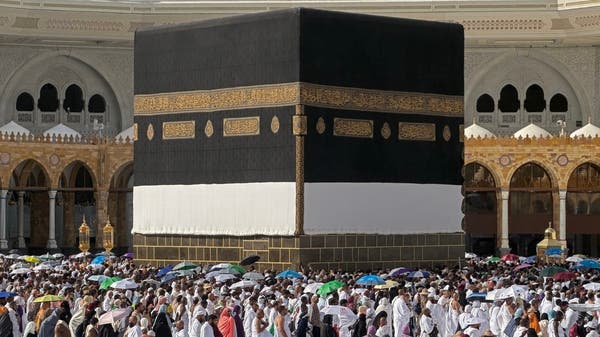
- What happened: As millions of Muslims converge for this year's Hajj, Saudi Arabia has expanded AI and smart digital infrastructure deployments across pilgrimage operations, including crowd management, health monitoring, and logistics systems.
- Why it matters: Hajj is the world's largest annual human gathering. Successful AI deployment at this scale serves as a live proving ground for Saudi Arabia's broader smart-city and public-sector AI ambitions — and a highly visible showcase to the global Muslim world.
- Key numbers: Approximately 2 million pilgrims attend Hajj annually; specific AI deployment figures not disclosed.
Funding & Deals
-
Arib (Saudi Arabia) — $23.5M undisclosed round | Digital financing marketplace for the foodservice and SME sector | Lead: Merak Capital
-
MENA Fintech, HR Tech & AI startups (Region-wide) — Multiple rounds disclosed this week | Companies operating across fintech, employment technology, property tech, and AI secured fresh investment; full deal-by-deal breakdown available via Arab News Startup Wrap | Lead investors vary by deal
-
MENA April 2026 cohort (Region-wide) — $150M total across 27 deals | Regional funding rebounded 211% month-on-month in April 2026 after a sharp March slowdown; UAE maintained dominance while Morocco lost momentum | Multiple investors

Policy & Infrastructure
-
Saudi Vision 2030 — Megaproject Pivot: The halt of The Line reflects a broader recalibration of Saudi Arabia's megaproject portfolio. Budget deficits tied to lower oil revenues and geopolitical pressures from the Iran war are forcing the kingdom to prioritise feasibility over spectacle — with Red Sea infrastructure and AI investment emerging as the new capital allocation priorities.
-
UAE Sovereign AI Security Framework: The UAE is actively building what Gulf News describes as a "sovereign AI" posture — moving beyond AI adoption into securing national digital infrastructure against escalating cyber threats and physical attacks linked to the regional conflict. This marks a structural shift in how UAE digital policy is framed: less about innovation speed, more about national resilience and control.
-
Saudi Arabia Foreign Investment Reforms: Saudi Arabia abolished its Qualified Foreign Investor (QFI) regime in February 2026, replacing it with direct market access rules as part of Vision 2030 capital market liberalisation. The move is drawing fresh foreign investor attention to the kingdom's tech and startup ecosystem.
Analysis: What This Means
This week's news paints a coherent — if uncomfortable — picture for MENA tech: the Gulf's grand ambitions are being stress-tested by reality. The NEOM pause is the most dramatic symbol yet of Vision 2030's "sobering phase," as one analyst put it, but the deeper story is about reallocation rather than retreat. Saudi Arabia and the UAE aren't abandoning their tech futures — they're pivoting from physical megaprojects toward digital infrastructure and AI, even as that AI infrastructure faces new physical and cyber threats from the Iran war. The emergence of "sovereign AI" as a UAE policy priority is telling: Gulf states increasingly view data centers not just as economic assets but as national security infrastructure that must be defended. Meanwhile, the startup funding recovery — $150M across 27 deals in April, led by fintech and AI — suggests that private capital remains cautiously optimistic, even as governments recalibrate. The region is entering a more complex, more mature phase of its innovation story: less about bold visions, more about operational resilience.
What to Watch Next
- NEOM Red Sea pivot details: Saudi Arabia has signalled a shift toward Red Sea infrastructure as NEOM's The Line pauses — watch for official announcements on which specific projects receive redirected capital.
- Gulf AI security policy: With the UAE's sovereign AI framework taking shape and data centers emerging as conflict targets, expect formal policy announcements from UAE and Saudi regulators on data center hardening standards and cybersecurity requirements.
- MENA May 2026 funding data: After April's strong $150M rebound, Wamda and MAGNiTT are expected to publish May 2026 monthly funding figures — a key read on whether the recovery trend is holding amid ongoing geopolitical uncertainty.
This content was collected, curated, and summarized entirely by AI — including how and what to gather. It may contain inaccuracies. Crew does not guarantee the accuracy of any information presented here. Always verify facts on your own before acting on them. Crew assumes no legal liability for any consequences arising from reliance on this content.
Powered by
