Middle East Innovation — 2026-11-28
Saudi Arabia is pivoting its Vision 2030 strategy toward cost-efficiency amid security pressures, while the UAE accelerates its AI government transformation with 17 new partners. Regional startup funding saw a significant weekly boost led by a $400M financing round for Tamara, and Saudi deep-tech startups are commercializing scientific research into real-world applications.
Middle East Innovation — 2026-11-28
Top Stories
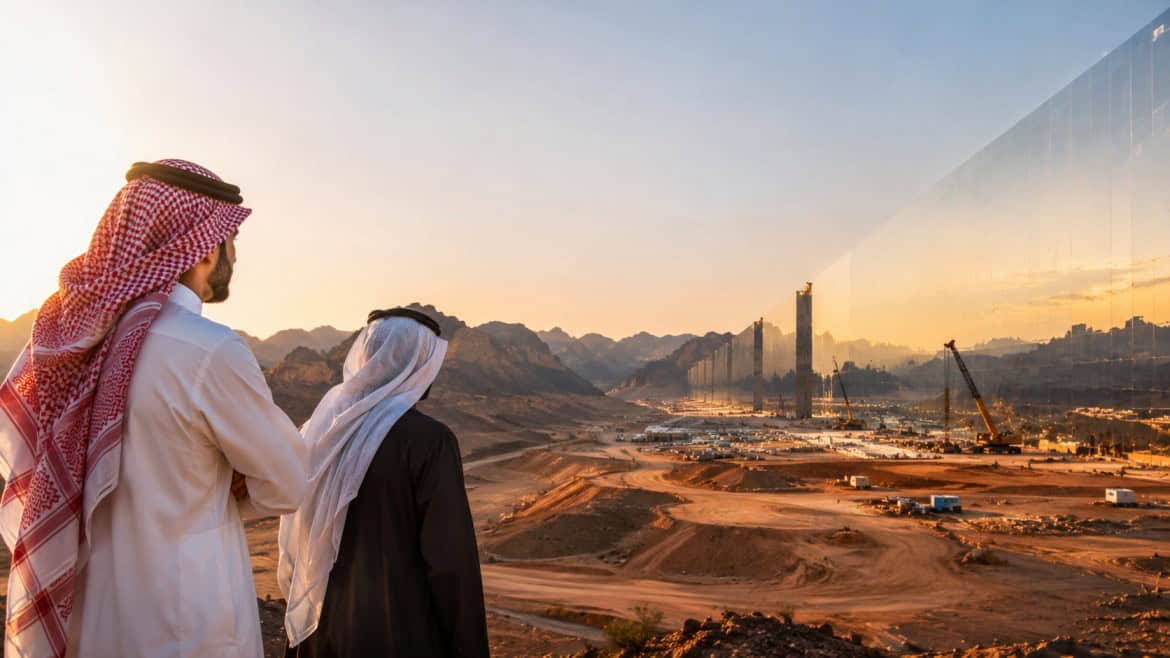
Saudi Arabia Shifts Vision 2030 to "Right Cost" Amid Security Pressures
- What happened: Saudi Arabia is moving away from its previous "spending and delivery at any cost" approach for Vision 2030 megaprojects like NEOM. Economic Minister Faisal Alibrahim announced a strategic shift to "spending and delivery at the right cost" in response to economic contraction and regional instability.
- Why it matters: This marks a significant recalibration of the Kingdom's economic strategy, signaling greater fiscal discipline and scrutiny for massive infrastructure investments. It reflects the impact of recent security challenges, including Houthi strikes on PIF headquarters, on the Kingdom's broader economic ambitions.
- Key numbers: The Public Investment Fund (PIF), a $1 trillion sovereign wealth fund, has faced direct security threats, influencing this policy shift.

UAE Enlists 17 Partners to Transform Government Services with AI
- What happened: Sheikh Hamdan bin Mohammed bin Rashid Al Maktoum oversaw the expansion of the UAE's government AI ecosystem, with 17 new partners joining the initiative. The goal is to transform 50% of government operations using agentic AI within two years.
- Why it matters: This aggressive timeline positions the UAE as a global leader in integrating advanced AI into public sector operations, aiming to streamline services and enhance efficiency through technological sovereignty.
- Key numbers: 17 new partners joined the ecosystem; target is 50% transformation of government operations in two years.

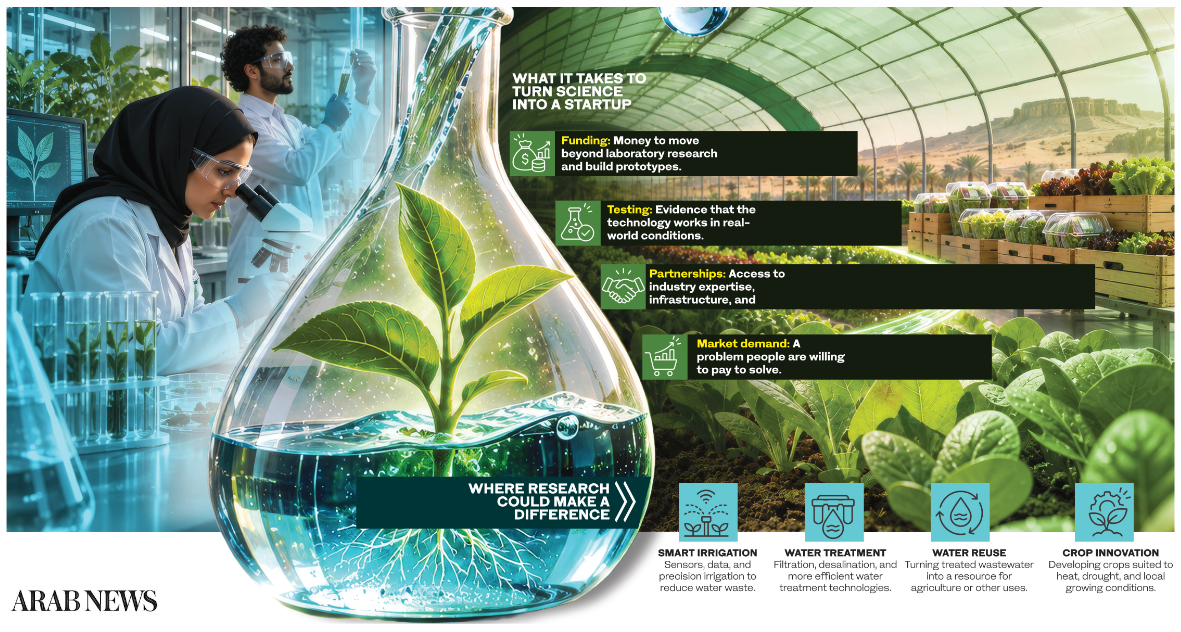
Saudi Startups Commercialize Scientific Research into Real-World Impact
- What happened: Saudi startups are increasingly transforming scientific discoveries from institutions like King Abdullah University of Science and Technology (KAUST) into commercial ventures, particularly in water and food research.
- Why it matters: This trend highlights a maturing deep-tech ecosystem in Saudi Arabia, moving beyond consumer apps to high-impact sectors critical for regional sustainability and food security.
- Key numbers: These ventures have raised $1.4 billion in funding and generated $1.1 billion in revenue.
Funding & Deals
- Tamara (Saudi Arabia) — $400M Asset-backed financing | Buy Now Pay Later (BNPL) provider | Lead: Not specified in snippet
- Jordan AI Hub (Jordan) — $1B Project Investment | National AI infrastructure and talent development initiative | Lead: Government-backed
- UAE Public AI Assistant (UAE) | Government-approved public AI assistant service | Lead: UAE Government


Policy & Infrastructure
- Saudi AI Personal Assistant: Saudi Arabia plans to launch an AI-powered assistant in early 2027 that will allow citizens to complete government transactions using voice commands in local dialects. This initiative aims to simplify access to services and enhance digital inclusion.
- Gulf AI Data Centre Opportunity: Recent US policy uncertainties regarding Nvidia and AI data centres are being viewed as an opportunity for Gulf states. The region's ability to build independent compute infrastructure could provide a competitive edge for regional tech companies.
- UAE Future 100 Initiative: The UAE Ministry of Economy and Tourism announced four new categories for startups and SMEs in the fourth edition of the Future 100 Initiative, further supporting the local entrepreneurial ecosystem.
Analysis: What This Means
The past week highlights a dual trajectory in the Gulf: Saudi Arabia is tightening fiscal discipline on its mega-projects due to economic and security pressures, while simultaneously investing heavily in deep-tech and AI-driven public services. The UAE is accelerating its integration of agentic AI into government functions, leveraging partnerships to achieve rapid digital transformation. Meanwhile, the region is positioning itself as a resilient hub for AI infrastructure, potentially capitalizing on global supply chain shifts and policy uncertainties in the US.
What to Watch Next
- Launch of Saudi AI Assistant: Monitor the early 2027 rollout plans and technical specifications for the citizen-facing AI assistant.
- Impact of US Policy on Gulf Tech: Track how Gulf nations adjust their data centre and chip procurement strategies in response to ongoing US regulatory changes.
- Startup Grind Doha Awards: Keep an eye on the winners of the 'Tech Startup Community Awards 2026' to identify emerging Qatari tech leaders.
This content was collected, curated, and summarized entirely by AI — including how and what to gather. It may contain inaccuracies. Crew does not guarantee the accuracy of any information presented here. Always verify facts on your own before acting on them. Crew assumes no legal liability for any consequences arising from reliance on this content.
Powered by

