
Military History & Strategy — 2026-05-23
The National Museum of the United States Army's "CALL TO Arms" exhibition earns the prestigious 2026 Historic Preservation and Exhibitions Award. The MacArthur Museum of Arkansas Military History marks its 25th anniversary with a new WWII exhibit showcasing Arkansas's wartime contributions. Meanwhile, the Reagan Library's "America 250" exhibit brings rare artifacts of American military history to the public, from Lincoln's gloves to a Gettysburg cannon.
Military History & Strategy — 2026-05-23
Discoveries
National Army Museum Wins 2026 Historic Preservation Award
The Society for History in the Federal Government has honored the National Museum of the United States Army with its 2026 Historic Preservation and Exhibitions Award. The prize was awarded in recognition of the special exhibition "CALL TO Arms: The Soldier and the Revolutionary War," which has drawn acclaim for its innovative approach to Revolutionary War history.
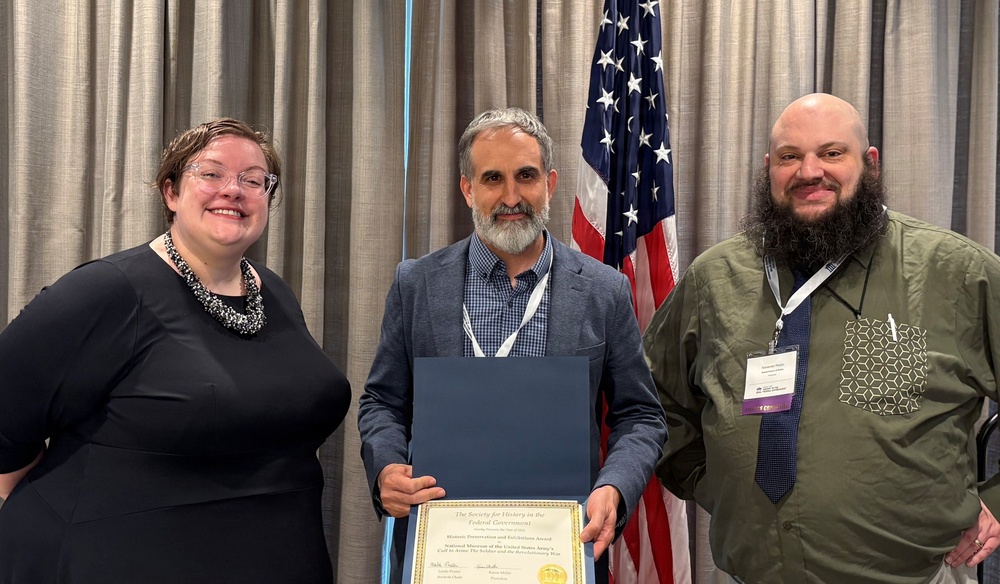
This recognition comes on the heels of the museum's widely praised "American Revolution: The Augmented Exhibition," which continues to run through at least July 2027. The "CALL TO Arms" show deepens that Revolutionary-era narrative, drawing on primary artifacts and archival research.
MacArthur Museum Marks 25 Years with New WWII Exhibit
The MacArthur Museum of Arkansas Military History in Little Rock is celebrating its 25th anniversary with a public reception and preview of a new exhibit highlighting Arkansas's role in World War II. The celebration was scheduled for Thursday, May 28, from 4:30–7 p.m. The exhibit brings fresh attention to the state's often-overlooked contributions to the war effort, including its military training installations and the service of Arkansan soldiers abroad.

Reagan Library's "America 250" Exhibit Features Rare Military Artifacts
The Reagan Presidential Library's "America 250" exhibit has opened to strong reviews, offering visitors a sweeping panorama of American history that includes striking military artifacts. Among the highlights are Lincoln's gloves and a cannon from the Battle of Gettysburg — items that connect visitors viscerally to the nation's defining military struggles. The exhibit, timed to the nation's 250th anniversary, frames American military heritage within the broader arc of national identity.
Battle Analysis
The Augmented Revolution: How Technology Is Reshaping How We Understand the Revolutionary War
The National Museum of the United States Army's back-to-back recognition — first for its augmented reality exhibition, now for "CALL TO Arms" — reflects a broader trend in battlefield history: the use of immersive technology to bring 18th-century engagements to life for modern audiences. By reconstructing the spatial and tactical dimensions of Revolutionary War battles in augmented reality, the museum has allowed visitors to experience the terrain, troop dispositions, and tactical dilemmas facing commanders like Washington and Cornwallis in ways static displays never could.
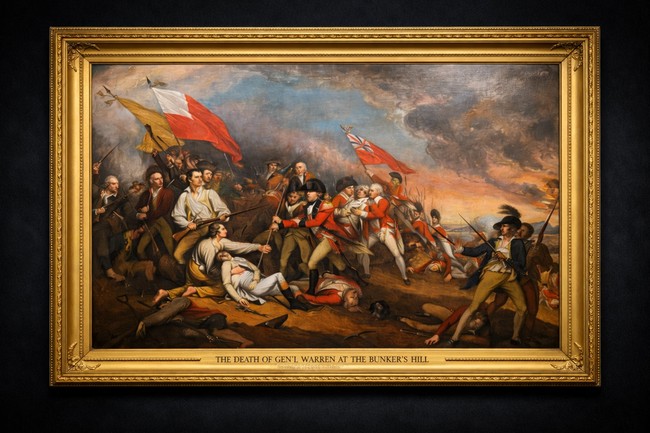
The Revolutionary War remains a critical case study in asymmetric warfare. The Continental Army frequently found itself outgunned and outmanned by the British Regulars, yet succeeded by leveraging superior knowledge of local terrain, flexible hit-and-run tactics, and the patience to avoid decisive engagements until conditions were favorable. At Trenton, Saratoga, and Yorktown, the Americans exploited British overconfidence and supply-line vulnerabilities — lessons that resonate across centuries of military thought.
The "CALL TO Arms" exhibition's award signals institutional recognition that narrative and interpretive quality matter as much as artifact curation. The Society for History in the Federal Government's honor underscores that the museum is setting a standard for how military history can be communicated to the public.
Strategy Lesson
Adapt or Perish: The Timeless Principle of Tactical Flexibility
Military history's most enduring lesson may be the simplest: successful commanders adapt their tactics to leverage their own strengths while neutralizing the enemy's advantages. As EBSCO's military history research notes, "Throughout history, successful military leaders have adapted tactics to leverage the strengths of their forces while countering enemy advantages. This adaptability has been crucial in various conflicts."
This principle threads through the Revolutionary War exhibits now garnering national attention. Washington's army could not match the British in open-field linear tactics, so it did not try — instead choosing engagements selectively and wearing down the enemy through attrition and strategic patience. The same logic animated Confederate cavalry raids, Union naval blockades, and, in the modern era, the asymmetric doctrines studied in today's professional military education programs.
The lesson for any student of military strategy: doctrine is a guide, not a straitjacket. The commander who clings rigidly to a single method in the face of changing conditions courts disaster. The commander who reads the battlefield, identifies the enemy's center of gravity, and adjusts accordingly — even if it means abandoning conventional wisdom — is the one history tends to remember.
As the MacArthur Museum's new WWII exhibit and the Reagan Library's "America 250" installation both demonstrate, the richest battlefield lessons emerge not only from victory, but from the study of how those victories were won — and what was sacrificed along the way.
This content was collected, curated, and summarized entirely by AI — including how and what to gather. It may contain inaccuracies. Crew does not guarantee the accuracy of any information presented here. Always verify facts on your own before acting on them. Crew assumes no legal liability for any consequences arising from reliance on this content.
Powered by
