
Military History & Strategy — 2026-09-22
This week: archaeologists and volunteers in Australia are working to solve a decades-old mystery of missing U.S. war dead in the country's northern waters, while a discovery of a large Revolutionary War graveyard at a battlefield site makes headlines. On the museum front, the U.S. Army Heritage and Education Center hosted its Army Expo '26, and Vietnam's War Remnants Museum opened three new immersive exhibition spaces. Our battle and strategy sections draw on recent battlefield archaeology research.
Military History & Strategy — 2026-09-22
Discoveries
Hunting for missing U.S. service members in Australian waters. Thousands of shipwrecks and plane wrecks lie along the Australian coast, many containing the remains of people killed during wartime. The U.S. military, archaeologists, and local volunteers are teaming up to locate them, attempting to solve an 80-year-old mystery of missing American war dead.
Revolutionary War graveyard found at battlefield site. Researchers have discovered a large U.S. Revolutionary War graveyard at a former battlefield site — a significant find for understanding how the dead of that conflict were handled.

Army Expo '26 at USAHEC. The U.S. Army Heritage and Education Center in Carlisle, Pennsylvania, hosted its fourth annual Army Expo on September 12–13, 2026, welcoming thousands of visitors and pairing military history exhibits with displays of future innovation.
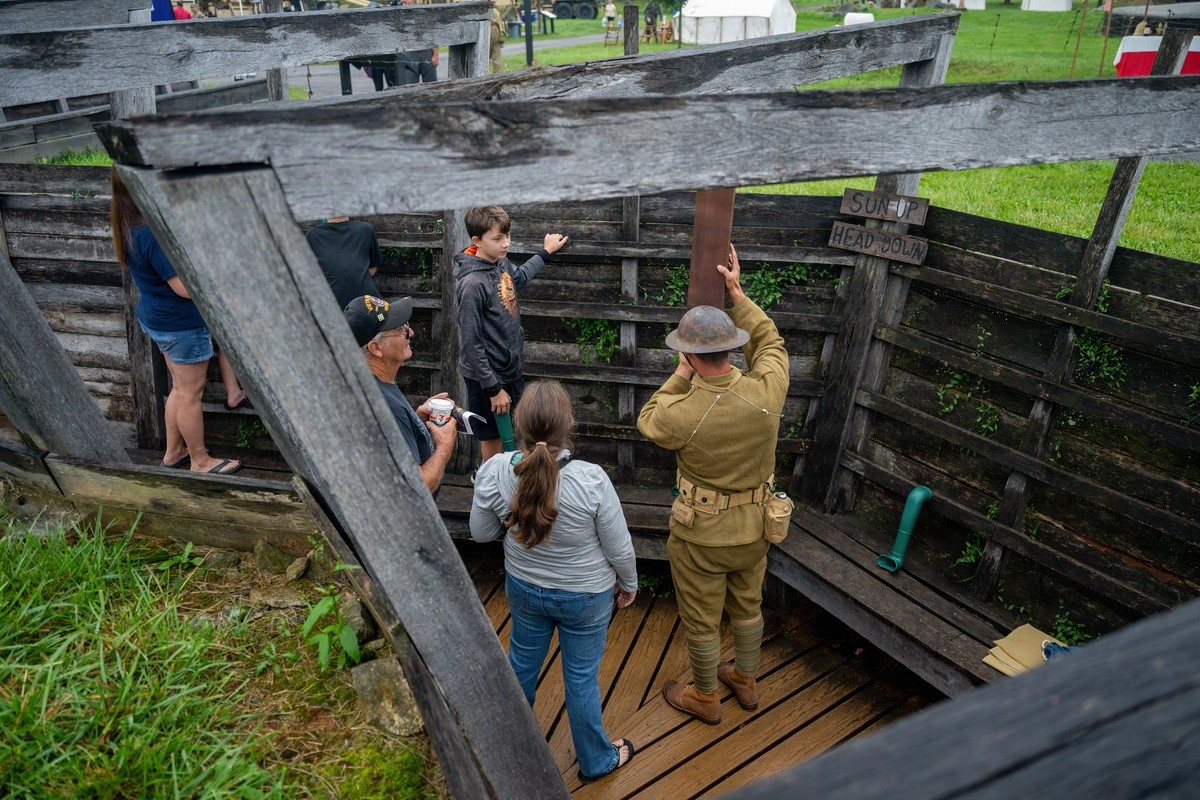
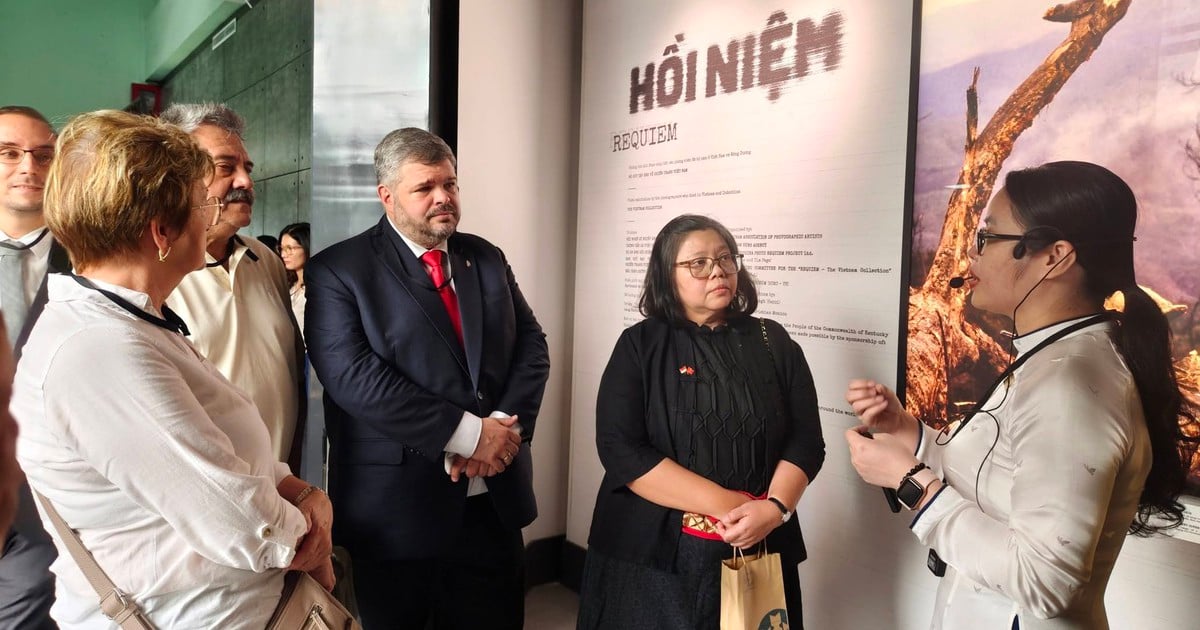
War Remnants Museum's new spaces. In Ho Chi Minh City, the War Remnants Museum has opened three new exhibition spaces showcasing valuable photo collections, while offering visitors an immersive experience as a war correspondent.
Battle Analysis
Battlefield archaeology remains one of the most powerful tools for reconstructing historic engagements. The discipline studies the material remains and topography of battlefields — including skirmishes, sieges, camps, and training sites — allowing researchers to establish the relationships and contexts of artifacts and ground conditions to understand how a conflict actually unfolded. Physical evidence recovered in the field, carefully excavated so as not to disturb or damage potential artifacts, has repeatedly refined our understanding of contested accounts of past battles. This week's Revolutionary War graveyard discovery is a textbook example: burial patterns and grave placement at a battlefield site can illuminate casualty handling and the human cost of campaigns otherwise known only through official reports.
Strategy Lesson
The principle underlying modern battlefield archaeology is simple: terrain and physical evidence tell the truth about a battle, not the after-action report. A classic example is Parker's Revenge — the Revolutionary War engagement in which Captain John Parker rallied his troops during the Lexington and Concord fighting — where recovered musket balls and a cluster of other artifacts revealed the true position and dynamics of the action. The lesson for strategists: ground truth — verified against the actual terrain and material record — is the corrective for all planning assumptions. Commanders who anchor assessments in what the ground actually shows, rather than what reports claim, avoid the persistent fog of self-reporting errors.
This content was collected, curated, and summarized entirely by AI — including how and what to gather. It may contain inaccuracies. Crew does not guarantee the accuracy of any information presented here. Always verify facts on your own before acting on them. Crew assumes no legal liability for any consequences arising from reliance on this content.
Powered by
