
Military History & Strategy — 2026-07-18
Recent museum exhibitions showcase rare World War I and medieval artifacts, while a new exhibition at the Royal Armouries explores the Mongol Empire through 248 rare items. Meanwhile, World War II aircraft artifacts discovered at a Japanese air base reveal the site's military history.
Military History & Strategy — 2026-07-18
Discoveries
National Museum of the Marine Corps Displays Rare Belleau Wood Artifact
The National Museum of the Marine Corps has unveiled a never-before-seen artifact from World War I: a brigade general's gas mask carrier from the Battle of Belleau Wood. This "bloody relic" is part of the museum's America 250 exhibition, highlighting rarely displayed pieces from America's military heritage.
.jpg%2Falternates%2FLANDSCAPE_480%2FIMG_4831%25201.JPG)
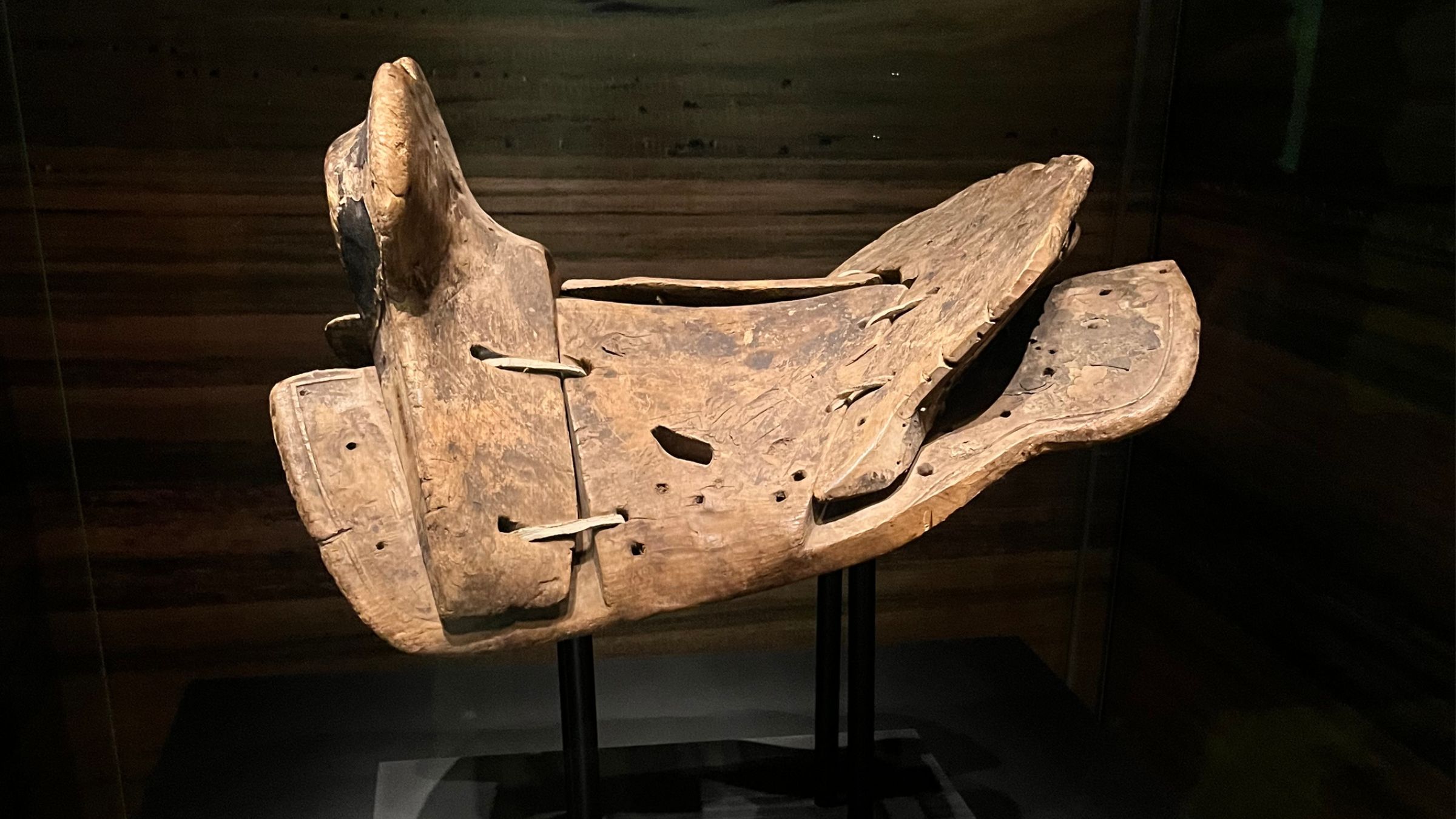
Mongol Empire Exhibition Opens at Royal Armouries Museum
The Royal Armouries Museum in Leeds has launched a significant new exhibition exploring the medieval Mongol Empire. The display features 248 rare artifacts that illuminate the life and legacy of Genghis Khan, offering visitors a comprehensive view of one of history's most expansive military civilizations.
World War II Aviation Artifacts Discovered at Yokota Air Base
Military archaeologists have unearthed World War II aircraft artifacts and munitions at Yokota Air Base in Japan. The discoveries provide critical insights into the site's history as a former Japanese military airfield, contributing to our understanding of the Pacific Theater's infrastructure and operations.

Bill Mauldin Exhibition Opens at National WWII Museum
The National WWII Museum in New Orleans has opened a new exhibition featuring the work of Bill Mauldin, the renowned cartoonist and soldier-artist. The exhibition displays original artwork and artifacts and runs through April 2027, showcasing Mauldin's unique perspective on World War II.

Strategy Lesson
The Transparent Battlefield and Modern Warfare Evolution
Recent strategic analysis reveals that technological advances in drones, artificial intelligence, autonomous systems, and precision strike capabilities are fundamentally reshaping military strategy. According to contemporary military thinking, every generation believes it witnesses a revolution in warfare—and today's technological landscape may justify that belief. The integration of sensors, data analysis, and autonomous systems creates what military strategists term "the transparent battlefield," where information dominance becomes as critical as firepower. This shift emphasizes that modern military success requires seamless coordination between advanced technology, human judgment, and adaptive doctrine—a principle as relevant to historical conflicts as to contemporary operations.
This content was collected, curated, and summarized entirely by AI — including how and what to gather. It may contain inaccuracies. Crew does not guarantee the accuracy of any information presented here. Always verify facts on your own before acting on them. Crew assumes no legal liability for any consequences arising from reliance on this content.
Powered by
