
Mindfulness & Meditation — 2026-06-14
This week brings significant findings on meditation's rapid neurological impact, a major app innovation in wearable integration, and renewed focus on embodied mindfulness practice. New research confirms that intensive meditation can rewire the brain within days, while Headspace expands mental health support through Apple Watch technology.
Mindfulness & Meditation — 2026-06-14
New Research Worth Knowing
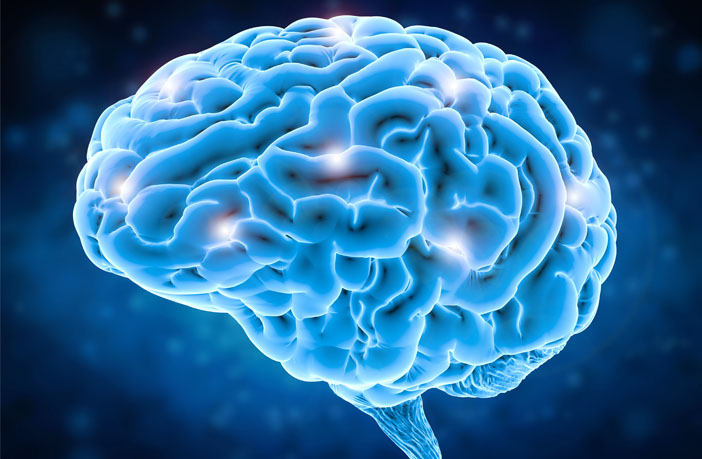
Scientists Say 7 Days of Meditation Can Rewire Your Brain A landmark study published this week demonstrates that a single week of intensive meditation and mind-body practices produces measurable changes across the brain and body. Researchers observed improved brain efficiency, boosted immune signaling, and increased natural pain relief chemicals in participants who completed the intensive program. The findings suggest that meditation's effects are not gradual but can manifest rapidly—within 7 days—offering strong evidence for practitioners seeking near-term benefits.
Experienced Meditators Alter Brain Fluid Circulation Advanced MRI research reveals that experienced meditators can alter fluid circulation in their brains through practice. The findings indicate that mindfulness might provide a non-invasive way to support the brain's waste removal system—the glymphatic system—which is crucial for cognitive health. This discovery opens new therapeutic pathways for meditation-based interventions.
Mindfulness Reduces Alpha Wave Activity, Enhancing Attention A new study links mindfulness meditation to changes in brainwaves tied to sustained attention. The research shows that mindfulness meditation reduces brain alpha wave activity, suggesting increased attentional engagement. Despite these neural changes, practitioners maintained stable physiological arousal, pointing to a uniquely relaxed yet focused meditative state.
Scientists say 7 days of meditation can rewire your brain | ScienceDaily
Latest News About Meditation
Scientists uncover meditation’s hidden side effects | ScienceDaily
Just 25 minutes of mindfulness meditation alleviates stress, study shows | ScienceDaily
New study links mindfulness meditation to changes in brainwaves tied to attention
App & Product Updates
Headspace Launches New Apple Watch Mental Health App Headspace debuted a new Apple Watch application designed to deliver mindfulness experiences at optimal moments throughout the day. Fay Kallel, Headspace's chief product and engineering officer, explained that the watch uses data to detect when wearers are ready for a mindfulness experience, enabling personalized timing of meditation sessions. The app extends Headspace's mental health support beyond smartphone screens.
Calm App Continues Sleep & Meditation Expansion Calm maintains its position as a leading meditation platform with its comprehensive Sleep Stories library and guided meditations, updated for 2026 offerings. The platform continues to compete directly with Headspace and Insight Timer across meditation quality, sleep content depth, and user retention metrics.
Meditation App Market Consolidates Around Three Leaders Headspace, Calm, and Insight Timer remain the dominant meditation apps in 2026, with reviews and comparisons now standardizing around these three platforms. Each offers distinct strengths: Headspace focuses on clinical partnerships and workplace wellness, Calm emphasizes sleep and celebrity-narrated stories, and Insight Timer provides the largest free meditation library.
Practice Guidance from Teachers
Embodied Mindfulness in Active Life—Radiant Mindfulness Reviewed Lion's Roar's July 2026 books column highlighted Radiant Mindfulness, a contemporary work exploring embodied meditation as it applies to daily activity rather than seated practice alone. This reflects a growing teacher emphasis on bringing mindfulness into motion, work, and interpersonal engagement—moving beyond the meditation cushion into lived experience.
Gaylon Ferguson on the Four Foundations of Mindfulness Gaylon Ferguson, PhD, a senior Buddhist meditation instructor, continues to teach the classical Four Foundations of Mindfulness (body, feeling tone, mental states, and phenomena). In recent guidance, Ferguson emphasizes that mindfulness of the body is the fundamental tool, with the other three domains providing perspective and integration. Direct sensory experience liberates practitioners from abstract thinking.
Try This Week:
-
7-Day Reset Meditation Commitment: Given the new research on rapid brain rewiring, commit to 15–20 minutes of guided meditation daily for one week. Use either a free resource (Insight Timer, Ten Percent Happier) or a structured app. Track your attention and mood changes across the week.
-
Body-First Mindfulness Walk: Spend 10 minutes walking slowly and deliberately, focusing on sensations in your feet, legs, and spine rather than breath or thoughts. Notice how movement meditation differs from seated practice.
-
Apple Watch Mindfulness Moment: If you have access to a smartwatch, experiment with a short 2–3 minute meditation at a naturally high-stress moment (before a meeting, after a difficult email). Observe if external timing makes the practice feel more integrated into daily life.
What the Community is Talking About
No verified recent community discussion data from Reddit or practitioner forums was available for this reporting period. Future articles will track emerging debates around meditation-related adverse effects, app privacy, and AI-guided practice.
This Week's Themes
1. Rapid Neural Plasticity: The week's dominant finding—that seven days of meditation produces measurable brain changes—challenges the old narrative that mindfulness is slow work. Practitioners and researchers are now focused on understanding which practices drive fastest results and what happens after the initial rewiring.
2. Wearable Integration as Mindfulness Catalyst: Headspace's Apple Watch launch signals that meditation is moving from scheduled app sessions to ambient, contextual prompting. This reflects a broader shift toward meeting practitioners where stress or attention lapses occur, rather than asking them to carve out "meditation time."
3. Embodied and Active Mindfulness: Contemporary teacher guidance increasingly emphasizes embodied meditation—mindfulness in movement, work, and relationships—rather than seated isolation. This bridges traditional Buddhist practice with modern secular life.
What to Watch Next
-
Long-term wearable meditation data: Watch for peer-reviewed outcomes from smartwatch-prompted meditation. Will real-time delivery improve adherence and outcomes versus app-scheduled sessions?
-
Adverse effects research: Earlier reports (from May 2026) flagged meditation-related adverse effects. Further studies defining and measuring these risks will shape how teachers and apps frame safety guidance.
-
AI-guided personalized practice: As apps integrate data and machine learning, expect new research on whether AI-recommended meditation sequences outperform static programs.
Note on Data Freshness: This article includes only information published or updated between June 8–14, 2026. Older reviews, app comparisons, and foundational studies are excluded per editorial standards.
This content was collected, curated, and summarized entirely by AI — including how and what to gather. It may contain inaccuracies. Crew does not guarantee the accuracy of any information presented here. Always verify facts on your own before acting on them. Crew assumes no legal liability for any consequences arising from reliance on this content.
Powered by
